 2 citations
,
June 2020 in “Dermatologic Surgery”
2 citations
,
June 2020 in “Dermatologic Surgery” Fat grafting before hair transplant may improve hair growth in scarring alopecia.
 4 citations
,
April 2000 in “Plastic and Reconstructive Surgery”
4 citations
,
April 2000 in “Plastic and Reconstructive Surgery” The document suggests fixing common hair transplant issues by combining artistic principles with plug reduction, recycling, and additional micrograft transplantation, while also potentially using arnica to help with post-operative swelling.
 3 citations
,
July 2021 in “Aesthetic Plastic Surgery”
3 citations
,
July 2021 in “Aesthetic Plastic Surgery” PHAT may improve hair growth better than PRP alone.
26 citations
,
January 2016 in “Journal of cutaneous and aesthetic surgery” Hair transplant combining scalp and beard hair with PRP was successful for scarring alopecia.
 16 citations
,
March 2008 in “Dermatologic Surgery”
16 citations
,
March 2008 in “Dermatologic Surgery” Hydrogen peroxide's effects on wound healing in hair transplants are unclear, and it may slow healing and increase scarring.
 14 citations
,
May 2019 in “Journal of Maxillofacial and Oral Surgery”
14 citations
,
May 2019 in “Journal of Maxillofacial and Oral Surgery” FUE hair transplant is a promising method with benefits like less scarring, but requires a skilled surgeon and can damage hair follicles.
 11 citations
,
January 2010 in “Indian Journal of Dermatology, Venereology and Leprology”
11 citations
,
January 2010 in “Indian Journal of Dermatology, Venereology and Leprology” Hair transplant and applying 5% minoxidil solution can effectively treat permanent hair loss, but it may change hair direction in some cases.
 6 citations
,
October 2021 in “Indian Journal of Plastic Surgery”
6 citations
,
October 2021 in “Indian Journal of Plastic Surgery” Eyebrow restoration using FUE is effective with careful planning and technique.
 3 citations
,
October 2021 in “Indian Journal of Plastic Surgery”
3 citations
,
October 2021 in “Indian Journal of Plastic Surgery” Not all hair loss patients are suitable for hair transplant due to various conditions like unstable hair loss, insufficient hair loss, very young age, unrealistic expectations, certain psychological disorders, and medical unfitness.
 1 citations
,
October 2021 in “Indian Journal of Plastic Surgery”
1 citations
,
October 2021 in “Indian Journal of Plastic Surgery” Hair transplant surgeons need to recognize different scalp conditions that look like common hair loss to choose the right treatment and avoid mistakes.
Hair transplants are effective for male and female pattern baldness, have evolved in technique, and require careful planning for natural results and managing complications.
October 2022 in “Hair Transplantation” Dermoscopy helps identify hair loss types for better hair transplant evaluation.
 March 2017 in “The American Journal of Cosmetic Surgery”
 Transplanted hair follicles can resist hair loss from an autoimmune condition better than natural hair.
 1 citations
,
January 2019 in “Skin appendage disorders”
1 citations
,
January 2019 in “Skin appendage disorders” A woman's sudden hair loss three years after a bone marrow transplant was a sign of chronic graft-versus-host disease but improved with treatment.
 15 citations
,
January 1996 in “Lasers in Surgery and Medicine”
15 citations
,
January 1996 in “Lasers in Surgery and Medicine” Lasers in hair transplantation may have potential but require caution due to possible damage and reduced graft survival.
 1 citations
,
March 2013 in “International Society of Hair Restoration Surgery”
1 citations
,
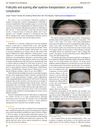
March 2013 in “International Society of Hair Restoration Surgery” Eyebrow transplants can rarely cause scarring due to folliculitis.
 1 citations
,
May 1965 in “Medical Clinics of North America”
1 citations
,
May 1965 in “Medical Clinics of North America” Hair growth dysfunction involves various conditions with limited treatment options.
 July 2015 in “Hair transplant forum international”
 Facial hair transplants are generally successful, with hair growth beginning around 3 months post-surgery.
 31 citations
,
November 2013 in “Dermatologic Clinics”
31 citations
,
November 2013 in “Dermatologic Clinics” The ARTAS robotic system for hair restoration is efficient with fewer cuts than manual methods, but it's limited to certain hair types and can still leave scars.
 6 citations
,
May 2013 in “Dermatologic Surgery”
6 citations
,
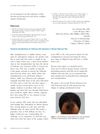
May 2013 in “Dermatologic Surgery” FUE can be successfully done on African-American hair by using larger punch tools and careful techniques to reduce hair damage.
 5 citations
,
September 1998 in “Atlas of the oral and maxillofacial surgery clinics of North America”
5 citations
,
September 1998 in “Atlas of the oral and maxillofacial surgery clinics of North America” Hair transplantation and micrografting, used for baldness, involve moving hair follicles from hair-rich to bald areas, requiring careful procedure and post-care for success.
 2 citations
,
January 2016
2 citations
,
January 2016 Hair restoration surgery can lead to issues like scarring, hair loss, and anxiety, but careful management before and after the procedure can minimize these complications.
 2 citations
,
November 2012 in “European Journal of Dermatology”
2 citations
,
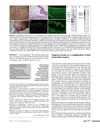
November 2012 in “European Journal of Dermatology” Hair transplant surgery may cause alopecia areata, a new possible complication.
 April 2026 in “International Journal of Drug Delivery Technology”
 Alopecia can often be managed effectively with various treatments, but early diagnosis is crucial for preventing permanent hair loss.
 July 2024 in “Plastic and Aesthetic Research”
 Careful planning and accurate diagnosis are crucial for successful hair restoration surgery.
 June 2024 in “Al- Anbar Medical Journal”
 Acute telogen effluvium can be resolved by addressing causes, but chronic telogen effluvium is harder to treat.
 February 2022 in “CRC Press eBooks”
 Hair disorders include hair loss, excessive hair growth, and ingrown hairs, with various treatments available depending on the cause.
 June 2020 in “Journal of cosmetic medicine”
 Eyebrow transplants use hair from the scalp or pubic area, with blonde hair looking more natural, and can leave scars depending on the method used.

Dense-packing hair grafting is a simple, safe, and effective way to restore hair in people with cicatricial alopecia.
 August 1999 in “Current Opinion in Otolaryngology & Head and Neck Surgery”
 In 1999, surgical hair restoration improved a lot, making hair look more natural with fewer procedures, thanks to better scalp treatments and a new method called follicular-unit hair grafting.