 82 citations
,
April 1981 in “Clinical endocrinology”
82 citations
,
April 1981 in “Clinical endocrinology” A girl with rickets and hair loss was found to have a rare condition where her body didn't respond to vitamin D treatment.
 81 citations
,
January 2006 in “Journal of cellular physiology”
81 citations
,
January 2006 in “Journal of cellular physiology” Mice without the vitamin D receptor gene lose hair due to disrupted hair follicle cycles.
 79 citations
,
January 2017 in “Dermatology practical & conceptual”
79 citations
,
January 2017 in “Dermatology practical & conceptual” Correcting nutrient deficiencies may help with hair loss, but the benefits of supplements without a deficiency are uncertain and could be harmful.
78 citations
,
November 2005 in “Endocrinology” Hairless protein can block vitamin D activation in skin cells.
54 citations
,
January 2012 in “Vitamins & Trace Elements” People with Alopecia Areata have lower vitamin D levels.
 53 citations
,
May 2010 in “Journal of Cellular Physiology”
53 citations
,
May 2010 in “Journal of Cellular Physiology” Mice without Vitamin D receptors have hair growth problems because of issues in the hedgehog signaling pathway.
48 citations
,
April 2018 in “JEADV. Journal of the European Academy of Dermatology and Venereology/Journal of the European Academy of Dermatology and Venereology” People with alopecia areata often have lower vitamin D levels and are more likely to be deficient in it.
47 citations
,
September 2002 in “Journal of Bone and Mineral Research” A mutation in the vitamin D receptor causes severe resistance to vitamin D, affecting bone health but not hair growth.
 43 citations
,
March 2009 in “Journal of Cellular and Molecular Medicine”
43 citations
,
March 2009 in “Journal of Cellular and Molecular Medicine” TGF-β2 plays a key role in human hair growth and development.
32 citations
,
December 2017 in “Journal of the American Academy of Dermatology” Alopecia areata patients often have low vitamin D levels.
 32 citations
,
July 2012 in “Stem Cells Translational Medicine”
32 citations
,
July 2012 in “Stem Cells Translational Medicine” Vitamin D3 can help improve hair growth by enhancing the function of specific skin cells and could be useful in hair regeneration treatments.
31 citations
,
September 2003 in “International Journal of Dermatology” Vitamin D-dependent rickets Type II causes bone problems and hair loss, and doesn't improve with Vitamin D treatment.
27 citations
,
September 1994 in “The journal of investigative dermatology/Journal of investigative dermatology” Small amounts of Vitamin D3 can boost hair growth, but too much can stop it.
 24 citations
,
November 2008 in “Arquivos Brasileiros de Endocrinologia & Metabologia”
24 citations
,
November 2008 in “Arquivos Brasileiros de Endocrinologia & Metabologia” Four patients with a type of rickets and hair loss had different mutations in their vitamin D receptor gene, causing it to not work properly.
 24 citations
,
July 1987 in “Dermatologic Clinics”
24 citations
,
July 1987 in “Dermatologic Clinics” Systemic diseases can cause hair loss, which is often reversible with treatment.
23 citations
,
October 2009 in “Gastroenterology” Vitamin D is crucial for bone health and preventing serious diseases.
21 citations
,
December 2001 in “Endocrinology” Expressing the human vitamin D receptor in skin cells prevents hair loss in certain mice.
18 citations
,
November 2009 in “Calcified tissue international” A genetic mutation caused severe rickets and alopecia in an Indian patient, but high-dose calcium and phosphate treatment improved their condition.
 17 citations
,
April 2017 in “PLoS ONE”
17 citations
,
April 2017 in “PLoS ONE” Hair follicle cells can become bone-like cells, useful for bone repair.
16 citations
,
January 2017 in “DOAJ (DOAJ: Directory of Open Access Journals)” Low levels of vitamin B12 and ferritin are linked to early hair graying.
 13 citations
,
April 2019 in “Actas Dermo-Sifiliográficas”
13 citations
,
April 2019 in “Actas Dermo-Sifiliográficas” Vitamin D is important for skin health, but more research is needed to understand its full effects and treatment potential.
 11 citations
,
June 1996 in “Nutrition”
11 citations
,
June 1996 in “Nutrition” Vitamin D3 may prevent hair loss from chemotherapy, but side effects and cancer cell protection are concerns.
10 citations
,
January 2014 in “Journal of Pediatric Endocrinology and Metabolism” Three new gene mutations cause rickets and hair loss, treatable with high calcium and calcidol, but hair regrowth is rare.
9 citations
,
October 2014 Vitamin D receptor helps prevent skin tumors.
8 citations
,
March 2011 in “Endocrine” A new gene mutation causes vitamin D-resistant rickets and hair loss in two siblings.
 7 citations
,
October 2019 in “Clinical, Cosmetic and Investigational Dermatology”
7 citations
,
October 2019 in “Clinical, Cosmetic and Investigational Dermatology” Certain gene variations in the Vitamin D receptor may increase the risk of chronic hair loss.
 7 citations
,
May 2014 in “Clinical practice”
7 citations
,
May 2014 in “Clinical practice” Cooling the scalp may prevent hair loss from chemotherapy, hair often grows back after treatment, and nail issues usually improve after stopping the drug.
 7 citations
,
August 2013 in “Experimental and Therapeutic Medicine”
7 citations
,
August 2013 in “Experimental and Therapeutic Medicine” 1,25-dihydroxyvitamin D3 helps melanocyte precursors from hair follicles grow and produce melanin, aiding vitiligo treatment understanding.
7 citations
,
May 2012 in “Journal of veterinary diagnostic investigation” Some young Angus cattle had skin problems due to not enough vitamin A, which got better after they were given more vitamin A.
 6 citations
,
August 1989 in “European journal of pediatrics”
6 citations
,
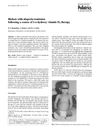
August 1989 in “European journal of pediatrics” Child with rickets improved with a specific vitamin D therapy, but alopecia did not change.