 7 citations
,
May 2020 in “Trends in molecular medicine”
7 citations
,
May 2020 in “Trends in molecular medicine” The document concludes that the immune-inhibitory environment of the hair follicle may prevent melanoma development.
 4 citations
,
June 2020 in “JAAD case reports”
4 citations
,
June 2020 in “JAAD case reports” Permanent hair dye may cause total hair loss.
 3 citations
,
September 2023 in “Frontiers in immunology”
3 citations
,
September 2023 in “Frontiers in immunology” Chronic inflammatory skin diseases are caused by disrupted interactions between skin cells and immune cells.
 January 2000 in “BioScience”
 The document concludes that understanding hair biology is key to treating hair disorders, with gene therapy showing potential as a future treatment.
 21 citations
,
March 2019 in “Experimental Dermatology”
21 citations
,
March 2019 in “Experimental Dermatology” Immune cells around hair follicles help control hair growth and could be targets for treating hair disorders.
 December 2012 in “Journal of dermatological science”
 Langerhans cells and melanocytes migrate to the skin and hair follicles during early human development.
 January 2011 in “International Journal of Trichology”
 The conference highlighted new diagnostic tools, the role of genetics in hair loss, and emerging treatments.
1 citations
,
November 2025 in “Expert Review of Clinical Immunology” Sequential immunotherapy can effectively treat alopecia areata by managing inflammation and promoting hair regrowth.
69 citations
,
July 2002 in “Clinical and Experimental Dermatology” Alopecia areata is influenced by genetics and immune system factors, and better understanding could improve treatments.
55 citations
,
October 2019 in “The journal of allergy and clinical immunology/Journal of allergy and clinical immunology/The journal of allergy and clinical immunology” The review suggests that other immune cells besides CD8+ T cells may contribute to alopecia areata and that targeting regulatory cell defects could improve treatment.
38 citations
,
July 2009 in “Current opinion in pediatrics, with evaluated MEDLINE/Current opinion in pediatrics” Alopecia areata is a common autoimmune disease affecting hair follicles, with unclear causes and a need for better treatments.
16 citations
,
March 2017 in “Oncotarget” SOCS3 treatment can prevent hair loss by stopping harmful immune responses.
 14 citations
,
February 2021 in “Journal of the European Academy of Dermatology and Venereology”
14 citations
,
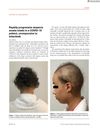
February 2021 in “Journal of the European Academy of Dermatology and Venereology” A COVID-19 patient with severe hair loss did not improve with hair loss medication after stopping and restarting it due to the infection.
3 citations
,
September 2025 in “Frontiers in Immunology” JAK inhibitors are effective for treating moderate-to-severe alopecia areata.
 3 citations
,
June 2023 in “Frontiers in medicine”
3 citations
,
June 2023 in “Frontiers in medicine” Oxidative stress may contribute to hair loss in alopecia areata and antioxidants could potentially help as a treatment.
2 citations
,
May 2022 in “The journal of immunology/The Journal of immunology” BST2 protein and certain T cells increase in early alopecia areata.
 1 citations
,
January 2017 in “Springer eBooks”
1 citations
,
January 2017 in “Springer eBooks” Understanding the immune-related causes of Alopecia Areata has led to potential treatments like JAK inhibitors.
 February 2026 in “Stem Cell Research & Therapy”
 Stem cell therapies show promise for hair regrowth in alopecia areata but need more research for safety and effectiveness.

γδTregs may help treat autoimmune diseases like alopecia areata by promoting hair regrowth and reducing immune attacks.
 November 2023 in “The journal of investigative dermatology/Journal of investigative dermatology”
 Blocking TYK2 might be a new way to treat hair loss from alopecia areata.
 May 2023 in “Frontiers in Immunology”
 Treg cell-based therapies might help treat hair loss from alopecia areata, but more research is needed to confirm safety and effectiveness.
 April 2023 in “The journal of investigative dermatology/Journal of investigative dermatology”
 People with alopecia areata have fewer IL-10 producing immune cells, which might contribute to the condition.
April 2023 in “Media Dermato Venereologica Indonesiana” COVID-19 reinfection may trigger alopecia areata.
ILC1-like cells may contribute to hair loss in alopecia areata.
ILC1-like cells may contribute to hair loss in alopecia areata and could be new treatment targets.
 March 2022 in “Wound practice & research”
 New treatments for alopecia areata show promise, but standardized guidelines are needed.
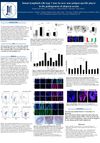
Innate lymphoid cells type 1 may contribute to alopecia areata by damaging hair follicles.
March 2026 in “Tạp chí Da liễu học Việt Nam” Imbalance in immune cells causes hair loss in alopecia areata.
 191 citations
,
May 2018 in “British journal of dermatology/British journal of dermatology, Supplement”
191 citations
,
May 2018 in “British journal of dermatology/British journal of dermatology, Supplement” Alopecia areata is likely an autoimmune disease with unclear triggers, involving various immune cells and molecules, and currently has no cure.
50 citations
,
May 2021 in “Frontiers in immunology” Certain immune cells contribute to skin autoimmune diseases, and some treatments can reverse hair loss in these conditions.