19 citations
,
March 1999 in “PubMed” Trichotillomania is a chronic condition where people uncontrollably pull out their hair, often starting in childhood.
 16 citations
,
May 2003 in “International Journal of Dermatology”
16 citations
,
May 2003 in “International Journal of Dermatology” Trichotillomania, a disorder where people compulsively pull out their own hair, often starts around age 12, is more common in adult females, and can be treated with behavior therapy and medication.
 June 1995 in “Archives of Dermatology”
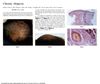
 A woman's hair loss was due to trichotillomania, which is often misdiagnosed and can require different treatments based on age and underlying conditions.
 1 citations
,
June 2022 in “Movement disorders clinical practice”
1 citations
,
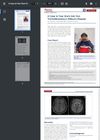
June 2022 in “Movement disorders clinical practice” A patient with Wilson's disease showed hair-pulling behavior as an initial symptom.
 15 citations
,
September 2015 in “Journal der Deutschen Dermatologischen Gesellschaft”
15 citations
,
September 2015 in “Journal der Deutschen Dermatologischen Gesellschaft” Skin doctors should recognize and treat conditions like hair-pulling and skin-picking early, often using therapy and medication, to help 50-70% of patients.
 2 citations
,
June 2016 in “PubMed”
2 citations
,
June 2016 in “PubMed” An 11-year-old girl with compulsive hair pulling was successfully treated with therapy and medication.
January 2026 in “Health Science Reports” Personalized hair care can help manage hair-focused repetitive behaviors.
3 citations
,
February 2023 in “BMJ Case Reports” OnabotulinumtoxinA treatment improved hair-pulling disorder and hair regrowth in a woman with chronic migraines.
 July 2022 in “Research Square (Research Square)”
 A young woman developed a bowel obstruction from eating hair extensions, highlighting the need for cultural awareness and research on these behaviors in the Black community.
 5 citations
,
March 2001 in “Journal of biomechanics”
5 citations
,
March 2001 in “Journal of biomechanics” Growing hairs are easier to pull out than resting hairs due to different anchorage strengths.
May 2015 in “UC Merced Undergraduate Research Journal” Behavioral therapies are more effective than drugs for treating trichotillomania.
 July 2018 in “Elsevier eBooks”
 The most common cause of hair loss in children is tinea capitis, followed by alopecia areata and telogen effluvium.
The document concludes that diagnosing female hair loss requires careful examination, with treatments varying by condition and psychological support often necessary.

Trichotillomania treatment is improving with new therapies, but challenges like stigma and lack of training remain.
 1 citations
,
December 2014 in “Klinik Psikofarmakoloji Bülteni-Bulletin of Clinical Psychopharmacology”
1 citations
,
December 2014 in “Klinik Psikofarmakoloji Bülteni-Bulletin of Clinical Psychopharmacology” Adding aripiprazole to the treatment improved hair-pulling symptoms in a teenager.
 May 2022 in “European medical journal”
 An 11-year-old girl with a hair-pulling disorder had a hairball in her stomach and was treated with medication, therapy, and a team of doctors.
A brain injury can lead to compulsive hair-pulling and psychosis-like symptoms, needing comprehensive treatment.
119 citations
,
February 2009 in “Neuroscience & Biobehavioral Reviews” Trichotillomania involves hair pulling and can be treated with therapy and medication.
 5 citations
,
January 2020 in “The mental health clinician”
5 citations
,
January 2020 in “The mental health clinician” Vitamin D supplements may reduce hair-pulling in people with Trichotillomania.
 4 citations
,
October 2018
4 citations
,
October 2018 Hair loss in children is often caused by scalp infections, immune disorders, hair pulling, stress, and requires careful treatment due to emotional effects.
 January 2018 in “Springer eBooks”
 Trichotillomania is a condition where people repeatedly pull out their hair, which can be triggered by stress and has various physical signs.
 February 2026 in “Medical Science and Discovery”
 Early diagnosis and comprehensive treatment can significantly improve trichotillomania in children.
March 2025 in “International Journal of Trichology” Trichodaganomania involves biting one's hair and needs combined psychological and medical treatment.
 27 citations
,
March 1994 in “Harvard Review of Psychiatry”
27 citations
,
March 1994 in “Harvard Review of Psychiatry” Behavior therapy and medications, especially clomipramine, can help reduce hair pulling in people with trichotillomania.
 83 citations
,
January 2001 in “American journal of clinical dermatology”
83 citations
,
January 2001 in “American journal of clinical dermatology” Clomipramine may significantly reduce hair-pulling in Trichotillomania, but more research is needed on treatments and early onset cases.
 2 citations
,
September 2022 in “Dermatologic therapy”
2 citations
,
September 2022 in “Dermatologic therapy” Microneedling helps reduce hair-pulling and promotes hair regrowth in trichotillomania patients.
January 2015 in “Elsevier eBooks” Targeting the endocannabinoid system might help reduce hair pulling in trichotillomania.
 2 citations
,
July 2005 in “Baylor University Medical Center Proceedings”
2 citations
,
July 2005 in “Baylor University Medical Center Proceedings” A 4-year-old girl was diagnosed with trichotillomania, a condition where she pulls out her hair, which may resolve on its own or require therapy.
January 2025 in “International Journal of Trichology” Trichotillomania can occur in unusual patterns and sites, highlighting the need for awareness and treatment options.
 2 citations
,
January 2023 in “Journal of Education, Health and Sport”
2 citations
,
January 2023 in “Journal of Education, Health and Sport” Cognitive-behavioral therapy with habit reversal training is the most effective treatment for trichotillomania.