 December 2025 in “Zenodo (CERN European Organization for Nuclear Research)”
 Male pattern baldness may be treated by addressing blood flow and electrical issues in the scalp.
 November 2000 in “Current problems in dermatology”
 New treatments for hair loss and excessive hair growth show promise with few side effects and advancements in laser technology.
 42 citations
,
November 2005 in “The journal of investigative dermatology. Symposium proceedings/The Journal of investigative dermatology symposium proceedings”
42 citations
,
November 2005 in “The journal of investigative dermatology. Symposium proceedings/The Journal of investigative dermatology symposium proceedings” New hair products are being developed to keep hair and scalp healthy for everyone.
 5 citations
,
November 2022 in “Journal of Ginseng Research/Journal of ginseng research”
5 citations
,
November 2022 in “Journal of Ginseng Research/Journal of ginseng research” Ginsenoside Re from Panax ginseng may prevent hair loss by maintaining autophagy and Wnt signaling in hair cells.
 41 citations
,
September 2011 in “Journal of Ethnopharmacology”
41 citations
,
September 2011 in “Journal of Ethnopharmacology” Panax ginseng extract helps mice grow hair.
 43 citations
,
August 2008 in “Regenerative Medicine”
43 citations
,
August 2008 in “Regenerative Medicine” Scientists created early-stage hairs from mouse cells that grew into normal, pigmented hair when implanted into other mice.
 January 2026 in “Cosmetics”
 New regenerative treatments show promise in improving hair growth for androgenetic alopecia.
 January 2017 in “Journal of clinical & experimental dermatology research”
 Scientists have found a way to create hair follicles from human stem cells, which could potentially be used to treat hair loss.
 3 citations
,
January 2005 in “Biological & Pharmaceutical Bulletin”
3 citations
,
January 2005 in “Biological & Pharmaceutical Bulletin” The peptide GPIGS helps hair cells grow and speeds up hair regrowth in mice.
 June 2026 in “Aesthetic Cosmetology and Medicine”
 The polynucleotide-based gel effectively treats hair loss with minimal side effects.
 April 2025 in “Brazilian Journal of Hair Health”
 Early exposure to sexualized content and poor lifestyle choices may lead to early hair loss.
 February 2026 in “International Journal of Nanomedicine”
 Engineered exosomes with EGF and FGF improved hair growth in mice with hair loss.
July 2021 in “Clinical Case Reports and Clinical Study” Herbal hair gels are better for hair health than synthetic ones.
November 2024 in “Journal of Investigative Dermatology” Red ginseng components help prevent skin aging by reducing inflammation and improving cell function.
February 1990 in “PubMed” Higher DHEA-S levels in hirsute females affect hair growth phases.
 December 2017 in “Journal of Cosmetic Dermatology”
 Researchers found certain genes are overactive and others are underactive in men with early balding, which could help create new treatments.
July 2022 in “Journal of Investigative Dermatology” The combination of a plant extract and a peptide can increase hair pigmentation and may reverse greying.
July 2025 in “Journal of Investigative Dermatology” Laser treatment boosts hair growth by activating a key growth factor.
 March 2024 in “Journal of Cosmetic Dermatology”
 Laser-pretreated blood for hair loss treatment was more effective and increased stem cells.
 October 2025 in “Dermatology Practical & Conceptual”
 ChatGPT 4.0 and Gemini 1.5 Flash are effective for educating patients about androgenetic alopecia, while Deepseek R1 is less reliable.
Low-level light therapy, possibly combined with other treatments, may become a leading hair loss treatment, while hirsutism often worsens with age and lacks preventive options.
 74 citations
,
July 2008 in “Journal of Dermatological Case Reports”
74 citations
,
July 2008 in “Journal of Dermatological Case Reports” Trichoscopy is a quick and easy way to diagnose most genetic hair problems without invasive methods.
 1 citations
,
May 2023 in “PubMed”
1 citations
,
May 2023 in “PubMed” A certain type of skin cell, marked by EGFR, produces a lot of IGF1 and helps hair follicles grow back faster.
 May 2025 in “Dermatologie pro praxi”
 Autologous progenitor cell transplantation can effectively improve hair growth and quality with minimal side effects.
 May 2024 in “Indian Journal of Dermatology”
 Androgenetic alopecia in men is genetic and linked to health issues like obesity and heart disease, with treatments including minoxidil, finasteride, and hair transplants.
January 2026 in “CyberLeninK (CyberLeninka)” Combining high-tech physiotherapy and specialized cosmetics significantly improves metabolism in patients with androgenetic alopecia.
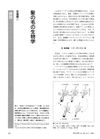 January 1998 in “KAGAKU TO SEIBUTSU”
 The document suggests that male hormones likely affect hair growth and baldness, and future treatments might involve stem cells and androgen-independent cells.
 5 citations
,
November 2015 in “International Journal of Radiation Biology”
5 citations
,
November 2015 in “International Journal of Radiation Biology” Gamma-ray exposure can cause long-lasting damage to hair follicles, affecting hair structure and color.
 January 2005 in “Translational and Clinical Pharmacology”
 HDMHG0401-10 improves hair loss in men with androgenetic alopecia and has no major side effects.