 July 2018 in “Nasza Dermatologia Online”
 Frontal fibrosing alopecia and ulerythema ophryogenes may be related and can evolve from one to the other.
3 citations
,
January 1989 in “The Nishinihon Journal of Dermatology” A hair cyst can become cancerous, showing specific keratins from the hair sheath.
 38 citations
,
January 2019 in “International Journal of Women's Dermatology”
38 citations
,
January 2019 in “International Journal of Women's Dermatology” The document concluded that more research is needed to find the best treatment for Frontal fibrosing alopecia.
October 2012 in “Faculty Opinions – Post-Publication Peer Review of the Biomedical Literature” Thymic peptides can either promote or inhibit human hair growth.
4 citations
,
April 1983 in “The Journal of Dermatology” A 15-year-old girl with hypothyroidism had excess hair and skin issues due to blocked hair follicles.
1 citations
,
March 2019 in “International Journal of Molecular Medicine” Mouse hair follicle cells can become heart-like cells without genetic changes.
 April 2012 in “Informa Healthcare eBooks”
 Temporal triangular alopecia is a lifelong condition with hairless patches on the side of the head that may be present from birth.
6 citations
,
June 2006 in “International Journal of Gynecological Pathology” A postmenopausal woman's hormone imbalance and symptoms improved after removing benign ovarian tumors.
 7 citations
,
February 2025 in “Stem Cell Research & Therapy”
7 citations
,
February 2025 in “Stem Cell Research & Therapy” Human hair follicle stem cells improve ovarian function in mice with damaged ovaries.
 February 2013 in “Journal of the American Academy of Dermatology”
 Certain gene variations may increase the risk of alopecia, and platelet-rich plasma treatment can improve hair density in those with hair loss; a rare case of facial Becker's nevus was linked to uneven beard growth.
 23 citations
,
December 2004 in “Differentiation”
23 citations
,
December 2004 in “Differentiation” Sex hormones affect hair and feather growth and may help manage alopecia and hormone-dependent cancers.
Understanding hair follicle communication can help treat hair loss.
 January 2025 in “International Journal of Dermatology Research”
 Anagen grow may effectively treat hair loss by blocking testosterone and reducing enzyme activity.
 December 2023 in “bioRxiv (Cold Spring Harbor Laboratory)”
 Abnormal contraction of connective tissue in hair follicles causes hair loss by killing off important cells, and treating this could improve hair growth.
 8 citations
,
September 2016 in “The American Journal of Dermatopathology”
8 citations
,
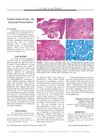
September 2016 in “The American Journal of Dermatopathology” Enlarged sweat gland ducts may indicate scarring hair loss.
FGF9 helps hair follicles grow in small-tailed Han sheep by affecting cell growth and certain signaling pathways.
 3 citations
,
January 1994 in “Journal of Society of Cosmetic Chemists of Japan”
3 citations
,
January 1994 in “Journal of Society of Cosmetic Chemists of Japan” Hair grows slower and thinner with age, but a test tonic improved growth in alopecia subjects.
 March 2018 in “Dermatología Argentina”
 The study found that the average age of women diagnosed with Frontal Fibrosing Alopecia in Argentina is higher than in other countries, but their symptoms are similar.
 14 citations
,
January 2006 in “Australasian journal of dermatology”
14 citations
,
January 2006 in “Australasian journal of dermatology” Alopecia areata can look like frontal fibrosing alopecia, making diagnosis hard.
72 citations
,
January 1983 in “The Anatomical Record” Epidermal growth factor delays skin and hair development in mice.
 August 2021 in “Case Reports”
 A woman thought to have rosacea was actually suffering from Frontal Fibrosing Alopecia, a hair loss condition. Despite treatment, her condition didn't change, showing the importance of accurate early diagnosis.
 277 citations
,
June 2003 in “The journal of investigative dermatology. Symposium proceedings/The Journal of investigative dermatology symposium proceedings”
277 citations
,
June 2003 in “The journal of investigative dermatology. Symposium proceedings/The Journal of investigative dermatology symposium proceedings” Epithelial-mesenchymal interactions control hair growth cycles through specific molecular signals.
 7 citations
,
January 2019 in “Pharmaceutical Biology”
7 citations
,
January 2019 in “Pharmaceutical Biology” Eclipta prostrata helps hair growth and maintains the growth phase by affecting certain growth factors.
 May 2019 in “Anais brasileiros de dermatologia/Anais Brasileiros de Dermatologia”
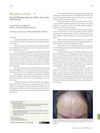
 Frontal fibrosing alopecia mostly affects postmenopausal women, with diagnosis often delayed by 3 years.
 June 2025 in “Frontiers in Physiology”
 Prostaglandin F2α may help treat hair loss by promoting hair growth.
7 citations
,
November 1997 in “Reproduction Fertility and Development” Epidermal growth factor disrupts hair and gland formation in bandicoots.
5 citations
,
April 2014 in “International Journal of Pediatric Endocrinology” Prepubertal girls with hypertrichosis have more sensitive androgen receptors, leading to increased body hair growth.
20 citations
,
April 2000 in “Experimental dermatology” ODC transgenic mice can model human hair loss with skin lesions.
71 citations
,
May 1996 in “Journal of Investigative Dermatology” Ornithine decarboxylase is crucial for hair growth regulation in mice.
 5 citations
,
June 2015 in “International Journal of Women's Dermatology”
5 citations
,
June 2015 in “International Journal of Women's Dermatology” Hirsutism, excessive hair growth in women, is often caused by PCOS and can be managed with medication and personalized treatment plans.