27 citations
,
July 1997 in “PubMed” The harlequin ichthyosis mouse mutation causes thick skin and early death, resembling a human skin disorder.
 66 citations
,
June 2018 in “British Journal of Dermatology”
66 citations
,
June 2018 in “British Journal of Dermatology” European guidelines recommend regular eye and ear exams, skin care, vitamin D supplements, and cautious use of medications for managing congenital ichthyoses.
49 citations
,
January 2013 in “Dermatologic Therapy” Newborns with ichthyosis need specific care based on their skin type.
34 citations
,
June 1992 in “Journal of Cutaneous Pathology” Harlequin ichthyosis involves abnormal skin cell structures and giant mitochondria, affecting skin and hair.
 21 citations
,
July 2022 in “Orphanet journal of rare diseases”
21 citations
,
July 2022 in “Orphanet journal of rare diseases” New treatments for ichthyosis, like protein replacement and gene therapy, show promise and may become standard care.
 6 citations
,
August 2022 in “The Italian Journal of Pediatrics/Italian journal of pediatrics”
6 citations
,
August 2022 in “The Italian Journal of Pediatrics/Italian journal of pediatrics” New genetic mutations linked to rare skin disorders were found in three newborns.
66 citations
,
October 2002 in “Human molecular genetics online/Human molecular genetics” A gene mutation in mice causes skin defects and early death.
9 citations
,
June 2024 in “Cell Reports” Hair follicles play a crucial role in regulating skin barrier function.
October 2018 in “Deep Blue (University of Michigan)” Hair follicle development involves specific cells and genes, crucial for understanding severe skin diseases like harlequin ichthyosis.
The chapter explains that there are many genetic skin disorders affecting skin cell formation, including both common and rare types.
 11 citations
,
September 2011 in “British Journal of Dermatology”
11 citations
,
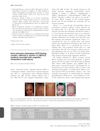
September 2011 in “British Journal of Dermatology” New ABCA12 gene mutations were linked to a skin condition with scaling and hair loss, and a treatment helped with hair loss in a related case.
 9 citations
,
May 2016 in “Veterinary dermatology”
9 citations
,
May 2016 in “Veterinary dermatology” Long-term oral and topical treatments improved skin condition in a goldendoodle with a genetic disorder.
 81 citations
,
June 2012 in “European journal of human genetics”
81 citations
,
June 2012 in “European journal of human genetics” Inherited ichthyoses cause widespread skin scaling and thickening due to gene mutations.
 18 citations
,
January 2020 in “Acta dermato-venereologica”
18 citations
,
January 2020 in “Acta dermato-venereologica” Over 67 genes linked to ichthyosis help improve diagnosis and treatment.
 7 citations
,
July 2014 in “BMJ case reports”
7 citations
,
July 2014 in “BMJ case reports” A rare skin disorder, Ichthyosis with confetti, has no cure but treatment focuses on managing symptoms with moisturizers.
 5 citations
,
August 2015 in “British journal of dermatology/British journal of dermatology, Supplement”
5 citations
,
August 2015 in “British journal of dermatology/British journal of dermatology, Supplement” The top research priorities for congenital ichthyosis include long-term side effects of oral retinoids, best topical treatments, and treatments for itch and hair loss.
 1 citations
,
June 2017 in “Veterinary dermatology”
1 citations
,
June 2017 in “Veterinary dermatology” A cross-bred lamb with severe skin and movement issues had ichthyosis fetalis but normal vitamin A levels.
 November 2023 in “Frontiers in pharmacology”
 Drug repositioning offers hope for new, affordable treatments for a genetic skin disorder called ARCI.
6 citations
,
January 2022 in “BMC Medical Genomics” Different gene mutations cause different types of ichthyosis, with some new mutations found.
 3 citations
,
September 2005 in “Experimental dermatology”
3 citations
,
September 2005 in “Experimental dermatology” The cornified envelope is crucial for skin's barrier function and involves key proteins and genetic factors.
 March 2026 in “Voprosy dermatologii i venerologii/Dermatologiâ ža̋ne veneralogiâ ma̋selelerì”
 A newborn with ichthyosis was successfully treated using specific neonatal care methods.
22 citations
,
September 2014 in “JAMA dermatology” Ichthyosis with confetti is a genetic skin disorder with consistent ectodermal malformations and various KRT10 gene mutations.
10 citations
,
April 2013 in “Journal of Investigative Dermatology” Epidermolytic ichthyosis can be inherited in a semidominant way with mild symptoms in carriers.
16 citations
,
September 2015 in “International Journal of Molecular Sciences” A specific gene variant causes severe skin issues and increases infection risk, requiring careful medical monitoring.
 1 citations
,
January 2012 in “Juntendō Igaku/Juntendo igaku”
1 citations
,
January 2012 in “Juntendō Igaku/Juntendo igaku” A simple classification based on symptoms helps diagnose and treat inherited skin disorders in Japan.
August 2024 in “International Journal of Women’s Dermatology” Alopecia is common in severe cases of autosomal recessive congenital ichthyosis.
 1 citations
,
July 2016 in “Elsevier eBooks”
1 citations
,
July 2016 in “Elsevier eBooks” Understanding skin structure and development helps diagnose and treat skin disorders.
 June 2008 in “Springer eBooks”
 The document concludes that permanent hair loss conditions are complex, require early specific treatments, and "secondary permanent alopecias" might be a more accurate term than "secondary cicatricial alopecia."
21 citations
,
March 2018 in “American Journal Of Pathology” Mutations in NIPAL4 cause skin issues by disrupting lipid layers, but some improvement is seen with topical treatment.
July 2024 in “Journal of Investigative Dermatology” Hair follicles are crucial for maintaining skin barrier function.