 7 citations
,
January 2020 in “Journal of Dermatology”
7 citations
,
January 2020 in “Journal of Dermatology” Cantu syndrome, which causes excessive hair growth and skin issues, is due to a mutation in the ABCC9 gene, and understanding this could help develop new treatments for hair diseases.
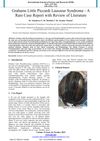 October 2023 in “International Journal of Science and Research (IJSR)”
 Early diagnosis of GLPLS is crucial to prevent complications, but scarring alopecia is irreversible.
 1 citations
,
January 2009
1 citations
,
January 2009 A 25-year-old Malay fireman had skin bumps on his neck that were removed successfully after other treatments failed.
March 2000 in “Current Problems in Dermatology” 14 citations
,
July 1994 in “Journal of Dermatological Science” Keratin mutations may cause scarring alopecia by damaging hair structure.
 December 2023 in “Clinical, cosmetic and investigational dermatology”
 The study found that white hair in vitiligo has specific patterns and structures, which vary with the stage of the disease and may be similar to another hair condition.
15 citations
,
May 2014 in “Journal of Biological Chemistry” A chimeric keratin partially improved skin structure in mice lacking keratin 5, but didn't fully restore normal skin.
 March 2025 in “American Journal of Medical Genetics Part A”
 A rare genetic variant linked to skin cysts was found in blood DNA, suggesting its role in cyst formation.
4 citations
,
June 2020 in “DOAJ (DOAJ: Directory of Open Access Journals)” A woman with Rhupus and Rowell syndrome was treated successfully with medication adjustments.
January 2021 in “Dermatology online journal” One twin girl has Loose anagen syndrome with poorly anchored hair, diagnosed with a simple hair pull test, while her identical twin does not have the condition.
 6 citations
,
May 2012 in “Archives of Dermatological Research”
6 citations
,
May 2012 in “Archives of Dermatological Research” A new mutation in the HR gene is linked to a rare form of hair loss with limb deformities.
87 citations
,
November 2002 in “Journal of Investigative Dermatology”  January 2021 in “Nasza Dermatologia Online”
 Plica polonica is a rare condition where hair becomes irreversibly tangled, and the treatment is to cut the matted hair.
 January 2018 in “The Kaohsiung journal of medical sciences”
 A young man had a rare case of hair cysts on his elbows, which was hard to diagnose and treat.
 July 2010 in “Journal of Investigative Dermatology”
 Scientists found gene mutations that affect hair loss, skin stem cells, and skin disorders, and identified drugs that may help treat blood vessel and skin conditions.
December 2021 in “Folia veterinaria” Over half of the dog skin disorders discussed have known gene variants, enabling genetic testing for diagnosis and responsible breeding.
November 2022 in “Frontiers in pediatrics” A girl with skin rashes and low zinc levels improved with zinc supplements and had new gene mutations linked to her condition.
 16 citations
,
August 2002 in “Journal of Interferon and Cytokine Research”
16 citations
,
August 2002 in “Journal of Interferon and Cytokine Research” A man developed excessive hair growth after treatment with interferon-alpha and ribavirin for hepatitis C.
June 2026 in “Skin Appendage Disorders” Pili annulati may be more common than thought, so recognizing its features is important for diagnosis.
2 citations
,
January 2018 in “Indian dermatology online journal” A homeopathic antidandruff shampoo caused severe hair matting in a girl.
IVIG and dupilumab effectively improved symptoms in a child with Netherton syndrome.
16 citations
,
July 2021 in “American Journal of Medical Genetics Part A” Mutations in the LSS gene cause hair loss and may affect brain development, with varying severity.
May 2020 in “International journal of dermatology and venereology” Hair matrix cysts are rare skin nodules with unique features, often needing surgical removal.
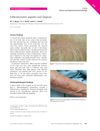 May 2014 in “Clinical and Experimental Dermatology”
 A 70-year-old woman with a rare skin condition improved after treatment with topical steroids and acitretin.
2 citations
,
January 1989 in “The Nishinihon Journal of Dermatology” Seborrheic keratosis likely originates from the upper regions of hair follicles.
Mutations in specific genes cause different types of ectodermal dysplasias.
17 citations
,
September 2000 in “Journal of dermatology” A baby with a rare metabolic disorder developed a rash not cured by zinc alone, likely due to both zinc and amino acid deficiencies.
April 2017 in “Journal of dermatological science” Removing PLCg1 from skin cells caused thicker oil glands and less hair in mice.
8 citations
,
August 2019 in “JAAD case reports” Chronic cutaneous lupus erythematosus causes scarring, hair loss, and skin discoloration, especially on sun-exposed areas.
92 citations
,
February 2005 in “Journal of Investigative Dermatology”