 1 citations
,
May 2020 in “Reproductive Endocrinology”
1 citations
,
May 2020 in “Reproductive Endocrinology” The document concludes that hair loss and acne in women can be due to both androgen-related and unrelated causes, requiring a collaborative treatment approach.
 1 citations
,
January 2013 in “Elsevier eBooks”
1 citations
,
January 2013 in “Elsevier eBooks” The document reviews various hair and nail disorders, their causes, and treatments, emphasizing the need for proper diagnosis and the link between nail changes and systemic diseases.
 1 citations
,
October 2012 in “Gynäkologische Endokrinologie”
1 citations
,
October 2012 in “Gynäkologische Endokrinologie” The document concludes that proper diagnosis and individualized treatment are crucial for managing androgenization in women effectively.
 1 citations
,
June 2012 in “Actas Dermo-Sifiliográficas”
1 citations
,
June 2012 in “Actas Dermo-Sifiliográficas” Early and aggressive treatment of scarring alopecia is important to prevent further hair follicle damage.
 1 citations
,
March 2011 in “Informa Healthcare eBooks”
1 citations
,
March 2011 in “Informa Healthcare eBooks” Hormonal therapy is effective for treating acne in adult women, especially with signs of high androgen levels.
 1 citations
,
June 2010 in “Expert Review of Dermatology”
1 citations
,
June 2010 in “Expert Review of Dermatology” Covers common skin issues in kids, their diagnosis, treatment, and need for specialist care.
 1 citations
,
July 2005 in “Informa Healthcare eBooks”
1 citations
,
July 2005 in “Informa Healthcare eBooks” Hair follicles could be used for targeted drug delivery, with liposomal systems showing promise for this method.
 1 citations
,
January 2001 in “Journal of Toxicology-cutaneous and Ocular Toxicology”
1 citations
,
January 2001 in “Journal of Toxicology-cutaneous and Ocular Toxicology” Hair follicles could be used to deliver drugs effectively, with the right understanding and methods.

Elderly skin care needs personalized treatment, early intervention, and integrated psychiatric care.
 February 2026 in “Clinical Cosmetic and Investigational Dermatology”
 Female pattern hair loss is linked to genetics, family history, and lifestyle factors.

Exosomes show promise for skin treatments but need more research and regulation in India.
 December 2025 in “International Journal of Innovative Technologies in Social Science”
 Transgender individuals face unique skin issues, often due to hormone therapy, requiring specialized and stigma-free dermatologic care.
 October 2025 in “Indian Journal of Physiology and Pharmacology”
 Early diagnosis and treatment of endocrine disorders like HAIR-AN syndrome can improve outcomes in adolescents.
 September 2025 in “Cureus”
 GLP-1 agonists may help treat certain skin conditions.
January 2025 in “Open Medicine” Acne may signal underlying metabolic issues, and lifestyle changes can help manage both.
 December 2024 in “Research Journal for Social Affairs”
 PCOS causes hormonal issues and infertility, with treatment options including medication and lifestyle changes.

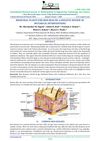
Personalized care and evidence-based treatments are crucial for managing skin and hair conditions.
 March 2024 in “International Research Journal Of Modernization In Engineering Technology And Science”
 Certain plants like Aloe vera and Neem are effective and safe for treating various skin conditions.
Plasma gel and PRP treatments improve skin and hair with minimal side effects.
 October 2023 in “The Egyptian Journal of Hospital Medicine ”
 PSA might help diagnose PCOS and related skin issues, but more research is needed.
 September 2023 in “Reproductive health of woman”
 PCOS is common, affects fertility, and requires personalized treatment to manage symptoms and health risks.

Vitamin D is crucial for skin health and managing skin diseases.
 January 2019 in “LASER THERAPY”
 Laser technologies improve medical treatments and outcomes.
 January 2019 in “Paëmi Sino”
 Women with keloid scars often have acne and hair loss, especially those with "true" keloids, indicating a possible hormonal imbalance.
 January 2018 in “Springer eBooks”
 Athletes need effective management of skin disorders for their performance and well-being.
 January 2018 in “Springer eBooks”
 Different races and genders have unique skin and hair issues, requiring specialized care and more research for effective treatment.
 January 2018 in “Elsevier eBooks”
 The document concludes that proper diagnosis and treatment of follicular disorders are crucial, with specific treatments for conditions like acne, drug-induced eruptions, and rosacea.

Tailored nonsurgical cosmetic procedures are crucial for safely treating diverse skin types, especially skin of color.
 September 2017 in “Journal of Investigative Dermatology”
 Researchers created human cells that can turn into sebocytes, which may help study and treat skin conditions like acne.
 January 2017 in “Springer eBooks”
 The document explains various skin conditions and their treatments.