 April 2024 in “Chemical engineering journal”
 The new hydrogel made from thymol and glycyrrhizin helps heal MRSA-infected wounds in rats effectively.
The Chromolaena odorata patch significantly speeds up wound healing.
 March 2024 in “Frontiers in genetics”
 Different types of fibroblasts play specific roles in wound healing and cancer, which could help improve treatments.
Quercetin can help heal wounds better if its skin absorption is improved.
 February 2024 in “Advanced Functional Materials”
 The hydrogel patch helps heal diabetic wounds by releasing a healing agent in response to harmful molecules and improving skin regeneration.
 February 2024 in “Frontiers in physiology”
 Modifying certain signals in the body can help wounds heal without scars and regrow hair.
 February 2024 in “Research Square (Research Square)”
 Tiny particles from skin cells can help grow new hair by activating a specific growth signal during skin healing.
February 2024 in “Asian Journal of Pharmaceutical and Clinical Research” Expired platelet concentrates can be used effectively for wound healing, reducing waste.
 January 2024 in “International wound journal”
 The analysis shows growing research on stem cells for wound healing, with the US and China leading, and suggests focusing on how stem cells help in wound healing.
The research developed a human hair keratin and silver ion hydrogel that could help heal wounds.
 December 2023 in “bioRxiv (Cold Spring Harbor Laboratory)”
 Aged individuals heal wounds less effectively due to specific immune cell issues.
 November 2023 in “Regenerative Biomaterials”
 The new adhesive seals wounds quickly, works well in wet conditions, and helps with healing.
 November 2023 in “ACS Applied Polymer Materials”
 The new method extracts keratin from hair faster and better, and the resulting product improves blood clotting and wound healing, with potential for personalized treatments.
 November 2023 in “Journal of Drugs in Dermatology”
 Hypochlorous acid spray improves wound healing and reduces redness and itching in hair transplant surgery.
 September 2023 in “International journal of biological macromolecules”
 The chitosan/PDRN polyplex improved wound healing in diabetic rats.
 August 2023 in “International Journal of Nanomedicine”
 A new wound healing treatment using a graphene-based material with white light speeds up healing and reduces infection and scarring.
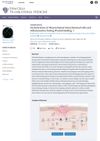 July 2023 in “Stem Cells Translational Medicine”
 Mesenchymal Stem/Stromal Cells (MSCs) help in wound healing and tissue regeneration, but can also contribute to tumor growth. They show promise in treating chronic wounds and certain burns, but their full healing mechanisms and potential challenges need further exploration.
June 2023 in “International Ayurvedic Medical Journal” Tridax procumbens is effective for wound healing.
May 2023 in “ACS Biomaterials Science & Engineering” The scaffold helps wounds heal without scars and promotes hair growth.
 February 2023 in “PubMed”
 The Wnt/β-catenin signaling pathway is important for skin wound healing and affects inflammation, cell growth, and other healing processes.
 February 2023 in “Materials Express”
 Pine pollen extract helps wounds heal faster due to its antioxidant and anti-inflammatory effects.
 January 2023 in “Veterinarni Medicina”
 Aloe vera gel helps heal open wounds better than coconut oil.
 January 2023 in “Open veterinary journal”
 Cow blood vessel cell secretions helped heal rat burn wounds and may treat burns and hair loss.
 October 2022 in “Frontiers in Cell and Developmental Biology”
 Aging skin is affected by inflammation, reduced stem cell function, and slower wound healing.
 September 2022 in “bioRxiv (Cold Spring Harbor Laboratory)”
 A parasite-derived molecule speeds up skin healing and affects immune cell behavior without increasing scarring.
August 2022 in “Biomedicines” Turning off the Lhx2 gene in mouse embryos leads to slower wound healing and scars.
 July 2022 in “Dermatology practical & conceptual”
 Henna ointment may help reduce itching and improve wound healing in patients with epidermolysis bullosa.
 July 2022 in “Journal of Investigative Dermatology”
 Lef1 is essential for normal skin, hair growth, and healing wounds in mice.
 May 2022 in “Journal of Immunology”
 A parasite molecule can speed up skin healing and reduce scarring.
 April 2022 in “Journal of applied science and environmental management”
 Alligator pepper seed extract improved wound healing in rats.