Search
for
Sort by
Research
390-420 / 1000+ results
research P-19 A case of Birt Hogg Dube syndrome presented with parathyroid carcinoma
This is the first known case of parathyroid cancer in a patient with Birt Hogg Dube Syndrome.
research Co-operation between follicular ornithine decarboxylase and v-Ha-ras induces spontaneous papillomas and malignant conversion in transgenic skin
High levels of ODC and a mutant Ha-ras gene cause tumors in mice.

research 015 Hypopigmented Mycosis Fungoides Progressing to Systemic Involvement- A Case Report and Review of Literature
A 73-year-old woman with Hypopigmented Mycosis Fungoides, a rare skin lymphoma, experienced disease progression despite treatment, emphasizing the need for ongoing monitoring.
research Extensive scleredema adultorum with loss of eccrine glands
A rare case of scleredema in a diabetic woman showed loss of sweat glands, causing heat strokes, with treatment only slightly improving symptoms.

research Follicular mucinosis in association with Sezary syndrome
A patient with Sézary syndrome showed improvement after treatment and the study suggested follicular mucinosis might indicate future lymphoma risk.
research Sorafenib stimulates human skin type mast cell degranulation and maturation
Sorafenib causes skin reactions by increasing the number and activity of skin mast cells.
research No mucosal involvement in a patient with paraneoplastic pemphigus associated with thymoma and myasthenia gravis
The patient had paraneoplastic pemphigus without mucosal involvement.

research Retrospective clinical study on the efficacy and complications of interventional embolization in the treatment of scalp arteriovenous fistula
Interventional embolization is effective for treating scalp arteriovenous fistula but can cause complications like swelling and hair loss.
research The Case Files
Early diagnosis, decontamination, and supportive care are crucial for managing acute radiation syndrome.
research Nevus lipomatosus cutaneous superficialis with folliculosebaceous cystic hamartoma
A rare skin growth was successfully removed without recurrence after one year.

research Cutaneous wound healing: canine allogeneic ASC therapy
Using stem cells from fat tissue can significantly improve wound healing in dogs.

research Sweet Syndrome as the Presenting Symptom of Relapsed Hairy Cell Leukemia
Sweet syndrome can be the only sign of hairy cell leukemia relapse.
research A Case of Generalized Hair Follicle Hamartoma Associated with Systemic Lupus Erythematosus
Generalized hair follicle hamartoma can occur with systemic lupus erythematosus.
research Scarring alopecia associated with the epidermal growth factor receptor inhibitor erlotinib
Erlotinib may cause scarring hair loss.
research Cutaneous manifestations of dabrafenib (GSK2118436): a selective inhibitor of mutant BRAF in patients with metastatic melanoma
Dabrafenib can cause skin growths and sometimes low-grade skin cancer.

research O-10 AN OVARIAN THECOMA PRESENTING WITH POST-MENOPAUSAL VIRILIZATION
Ovarian thecomas can cause virilization in postmenopausal women and are treated with surgery.
research Prevention and management of dermatological toxicities related to anticancer agents: ESMO Clinical Practice Guidelines☆
Early intervention and tailored management can reduce skin side effects from cancer treatments.
research 710 BIOMARKERS OF SUNITNIB CLINICAL RESPONSE IN METASTATIC RENAL CLEAR CELL CARCINOMA PATIENTS

research Orchestration of Mesenchymal Stem/Stromal Cells and Inflammation During Wound Healing
Mesenchymal Stem/Stromal Cells (MSCs) help in wound healing and tissue regeneration, but can also contribute to tumor growth. They show promise in treating chronic wounds and certain burns, but their full healing mechanisms and potential challenges need further exploration.
research Emerging drugs and combination strategies for basal cell carcinoma
New treatments for a type of skin cancer show promise but have side effects and may work better with other therapies.
research Exceptional Clinical Response to Surgery in Somalian Child Affected by Hyper Secretive Adrenal Cortical Carcinoma
The 6-year-old Somalian girl fully recovered from her symptoms after successful surgery and treatment.
research LB1031 Immune Cell-Mediated Amplification of Stem Cell Activation in Hairy Melanocytic Nevus via Osteopontin-CD44 Axis
Immune cells boost stem cell activity in hairy moles, causing more hair growth.
research Uso de medicina biorreguladora de sistemas en paciente canino alopécico, asociado a quimioterapia metronómica realizada para el manejo de carcinoma de células hepatoides.
Biorregulatory therapy significantly improved the dog's health, reversing previous issues and eliminating the need for ongoing medication.

research Questions and Answers
Doctors recommend postoperative radiation for male breast cancer, advise against testosterone for vasomotor symptoms post-adrenalectomy, suggest non-hormonal treatments for atrophic vaginitis after mastectomy, note no specific treatment for anticoagulant-induced hair loss, and call for more research on silicosis from silicon carbide exposure.
research Huge Proliferating Trichilemmal Tumors of the Scalp: Report of Six Cases
Complete removal of scalp tumors is crucial, but malignant cases may recur or metastasize, requiring a multidisciplinary approach and close follow-up.
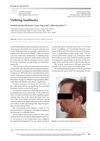
research Virilizing insulinoma
A rare pancreatic tumor caused a woman's male-like features, treated successfully with surgery and medication.
research Alopecia areata as a paraneoplastic syndrome of Hodgkin’s lymphoma: A case report
Alopecia areata can be an early sign of Hodgkin’s lymphoma and may improve with lymphoma treatment.

research Diagnosis and management of vascular Ehlers-Danlos syndrome: Experience of the UK national diagnostic service, Sheffield
The UK's EDS National Diagnostic Service found that early diagnosis, lifestyle advice, and regular check-ups are crucial for managing vascular Ehlers-Danlos syndrome. A combination of losartan and bisoprolol can reduce vascular events, improving survival and quality of life.
research The keratoacanthoma: A review
Keratoacanthoma is a common, usually non-dangerous skin tumor that looks like squamous cell carcinoma but rarely becomes severe.