 3 citations
,
July 2014 in “QJM”
3 citations
,
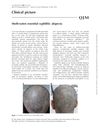
July 2014 in “QJM” A 35-year-old man had patchy hair loss that was actually due to syphilis, not alopecia areata.
 3 citations
,
October 2011 in “JAT. Journal of applied toxicology/Journal of applied toxicology”
3 citations
,
October 2011 in “JAT. Journal of applied toxicology/Journal of applied toxicology” Doxazosin mesylate and saw palmetto cause genetic changes in fruit flies.
Enemas can cause septicemia in elderly men with prostate infections.
April 2016 in “Journal of Investigative Dermatology” Iron deficiency causes hair loss by affecting hair differentiation and cycling.
 October 2023 in “Toxicology and Applied Pharmacology”
 Finasteride is more harmful to male reproductive health than minoxidil.
 May 2015 in “Journal of The American Academy of Dermatology”
 Finasteride for hair loss in young men increases the risk of sexual dysfunction.
5 citations
,
December 2011 in “Vox Sanguinis” Some blood donors on teratogenic drugs may have unsafe drug levels, suggesting a need for better deferral policies.
April 2020 in “The FASEB Journal” Finasteride may cause lasting sexual issues by altering specific genes in human cells.
August 2021 in “BMJ Case Reports” A woman with lupus had blood cell destruction, treated successfully with medication.
 July 2019 in “Acta Scientiae Veterinariae”
 Removing a testicular tumor in a dog reduced its aggressive behavior and skin problems.
98 citations
,
July 1983 in “Journal of Steroid Biochemistry” Individuals with this condition often develop male traits and identities at puberty despite being raised as females.
2 citations
,
January 2023 in “Uro” UHP-sCESr is as effective as HESr for treating BPH symptoms.

Minoxidil may harm male reproductive health by causing testicular damage and hormonal disruption.
January 2011 in “Shandong yiyao” Finasteride reduces bleeding during prostate surgery.
January 2024 in “Journal of Applied Health Sciences and Medicine” Nephrolepis biserrata may improve fertility and reduce prostate issues in males.
 8 citations
,
February 2014 in “General and Comparative Endocrinology”
8 citations
,
February 2014 in “General and Comparative Endocrinology” Finasteride affects frog testes by increasing testosterone, decreasing 5α-DHT, and impacting genes related to reproduction and other functions.
August 2025 in “International Journal of Biochemistry Research & Review” Glyphaea brevis and Monodora myristica can protect against finasteride's harmful effects on blood and oxidative stress in male rats.
 29 citations
,
September 1983 in “British Journal of Dermatology”
29 citations
,
September 1983 in “British Journal of Dermatology” Men with hair loss have lower SHBG and higher saliva testosterone levels, suggesting increased androgen activity.
 December 2021 in “Indian Journal of Dermatology, Venereology and Leprology”
 Men with androgenetic alopecia, or hair loss, often have abnormal blood flow in their small blood vessels, which might be linked to inflammation and stress.
 50 citations
,
December 1999 in “British Journal of Dermatology”
50 citations
,
December 1999 in “British Journal of Dermatology” Finasteride improves hidradenitis suppurativa but not for child-bearing women.
2 citations
,
July 2023 in “Urology Case Reports” Timely surgery successfully repaired a boy's penis after a hair caused severe damage.
14 citations
,
June 1995 in “The Journal of Clinical Endocrinology and Metabolism” January 2004 in “DOAJ (DOAJ: Directory of Open Access Journals)” Men with androgenetic alopecia do not have elevated DHEA-S levels.
6 citations
,
April 2022 in “Biomedicines” COVID-19 may harm male fertility by affecting sperm production.
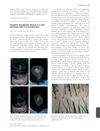 July 2011 in “British Journal of Dermatology”
 Hormone treatment caused hair loss, finasteride helped regrowth.
June 2018 in “Evidence-Based Practice” Finasteride can double the risk of sexual problems like ejaculation issues, low libido, and impotence.
18 citations
,
April 1989 in “Archives of Dermatology” Iron deficiency can cause hair color changes, which can be reversed with iron supplements.
1 citations
,
August 2012 in “Archives of Gynecology and Obstetrics” Finasteride can help induce ovulation and lead to a healthy birth in some women.
 January 2011 in “Reactions Weekly”
 St. John's Wort may reduce the effectiveness of finasteride by increasing its breakdown in the body.