10 citations
,
January 1980 in “Ultrastructural pathology” Green hair has high copper levels due to contaminated water and damaged hair cuticles.
2 citations
,
January 2011 in “Feed Review” Adding 0.029% iron glycine chelate to piglet diets improves growth and hair color.
71 citations
,
June 2008 in “Annals of Internal Medicine” Excessive selenium from supplements can be harmful.
 February 2024 in “Sučasna gastroenterologìâ”
 The patient was diagnosed with celiac disease after a long delay, showing the need for better awareness and earlier detection.
 7 citations
,
January 2015 in “Case reports in genetics”
7 citations
,
January 2015 in “Case reports in genetics” Using SNP array testing helped quickly find the gene causing Woodhouse-Sakati syndrome in two related individuals.
6 citations
,
October 2006 in “International Journal of Dermatology” Hair splitting and nail detachment are linked conditions.
September 2022 in “Indian Journal of Paediatric Dermatology” Clouston syndrome is inherited in an autosomal dominant pattern and caused by a specific gene mutation, with no current treatment available.
 April 2020 in “Journal of the Endocrine Society”
 A woman's high testosterone and related symptoms were caused by overactive cells in her ovaries.
 March 2026 in “Dermatology Reports”
 Hair iron levels might help increase hair thickness in early hair loss.
13 citations
,
July 2012 in “International Journal of Trichology” TTD symptoms vary widely, requiring thorough evaluations.
 2 citations
,
October 2018 in “The journal of pediatrics/The Journal of pediatrics”
2 citations
,
October 2018 in “The journal of pediatrics/The Journal of pediatrics” The document concludes that specific hair and blood vessel abnormalities in infants with seizures and developmental issues may indicate Menkes disease, which lacks a cure and is often fatal by age 3.
September 2025 in “Indian Journal of Dermatology” A Turkish woman has a hair condition caused by a LIPH gene mutation.
1 citations
,
September 2021 in “Frontiers in genetics” A genetic mutation in the DCAF17 gene caused Woodhouse-Sakati syndrome in a Chinese patient from a related family.
January 2000 in “The Journal of Trace Elements in Experimental Medicine” Zinc supplementation effectively treats acrodermatitis enteropathica symptoms.
 2 citations
,
September 2008 in “Fertility and Sterility”
2 citations
,
September 2008 in “Fertility and Sterility” Clinical signs of excess male hormones and actual hormone levels in the blood do not always match in women with polycystic ovary syndrome.
The document concludes that Syndromes of Severe Insulin Resistance are rare disorders with limited treatment options.
 13 citations
,
January 2015 in “International Journal of Trichology”
13 citations
,
January 2015 in “International Journal of Trichology” Higher lead and cadmium, and lower zinc and iron levels in the blood might be linked to chronic hair loss in women.
12 citations
,
September 1981 in “Acta Dermato Venereologica” Zinc supplements improved the girl's hair growth and thickness.

People with early onset hair loss (Androgenetic Alopecia) in Ile-Ife, Nigeria, have significantly lower iron levels compared to those with adult-onset hair loss.
 May 2024 in “Medicine today”
 Older age, family history, and low iron levels increase the risk of female hair loss.
 January 2017 in “Journal of clinical & experimental dermatology research”
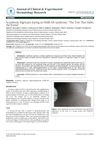
 The case shows skin changes can indicate deeper health issues like insulin resistance, which are challenging to manage.
 February 2010 in “Journal of The American Academy of Dermatology”
 A woman's nail separation was likely caused by poor blood flow, and a treatment for similar conditions might help.
 19 citations
,
September 2010 in “The American journal of pathology”
19 citations
,
September 2010 in “The American journal of pathology” High glucocorticoids cause pancreatic malfunction and malabsorption, reversible with enzyme supplements.
June 2025 in “British Journal of Dermatology” Consider amyloidosis in patients with specific nail changes and check for systemic issues.
May 2026 in “Free Radical Biology and Medicine” 2 citations
,
February 2000 in “International Journal of Dermatology” Hepatitis C and alcohol abuse may lead to porphyria cutanea tarda.
 10 citations
,
May 1995 in “Journal of General Internal Medicine”
10 citations
,
May 1995 in “Journal of General Internal Medicine” Most women with excessive hair growth have PCOS; treatment varies and focuses on preventing new hair, with electrolysis as the only permanent removal method.
 November 2022 in “Journal of the Endocrine Society”
 Estrogen deficiency can reduce the enzyme activity needed to activate vitamin D.
September 1976 in “PubMed” Hirsutism is excessive male-pattern hair growth mainly caused by ovarian hormones, and severe cases may require costly treatment with side effects.
 42 citations
,
October 2004 in “Experimental and Clinical Endocrinology & Diabetes”
42 citations
,
October 2004 in “Experimental and Clinical Endocrinology & Diabetes” The main cause of excessive hair growth in Turkish women is Polycystic ovary syndrome, but in about one fifth of cases, the reason for high male hormone levels is unknown.