15 citations
,
January 2015 in “Stem cells international” Human hair follicle stem cells can be turned into red blood cells.
52 citations
,
February 1986 in “Journal of Histochemistry & Cytochemistry” Some hair proteins are specific to hair, while others are also found in skin cells.
 1 citations
,
April 2017 in “Journal of Investigative Dermatology”
1 citations
,
April 2017 in “Journal of Investigative Dermatology” A new one-step test can quickly identify skin cancer during surgery.
 88 citations
,
August 2019 in “Nature communications”
88 citations
,
August 2019 in “Nature communications” Researchers found a specific immune receptor in patients that causes severe skin reactions to a drug.
 February 2018 in “Trends in Immunology”
 Skin bacteria can help wound healing by activating certain immune cells.
May 2024 in “International journal of medicine and psychology.” Monoclonal antibodies LT-1, LT-2, and LT-7 help diagnose certain blood cancers.
April 2023 in “Journal of Investigative Dermatology” Chronic graft-versus-host disease in the skin shows strong Th1 immune response and unique barrier issues.
 98 citations
,
November 2014 in “PLoS ONE”
98 citations
,
November 2014 in “PLoS ONE” Hyaluronidase speeds up wound healing and reduces inflammation.
 252 citations
,
April 2009 in “Seminars in Cell & Developmental Biology”
252 citations
,
April 2009 in “Seminars in Cell & Developmental Biology” The immune system plays a key role in tissue repair, affecting both healing quality and regenerative ability.
 6 citations
,
October 2017 in “Oncotarget”
6 citations
,
October 2017 in “Oncotarget” Hairless mice are more vulnerable to Listeria infection, but gut microbiota can help reduce damage.
4 citations
,
September 2010 in “Journal of Medical Case Reports” A man developed autoimmune issues after a transplant, improved with treatment, but died from leukemia relapse.

Keratin hydrogels from human hair show promise for tissue engineering and regenerative medicine.
2 citations
,
September 2024 in “Journal of the American Academy of Dermatology” Higher monocyte counts may predict poor response to adalimumab in hidradenitis suppurativa patients.
27 citations
,
April 2018 in “Artificial Cells Nanomedicine and Biotechnology” Recombinant human hair keratin proteins can effectively stop bleeding.
 1 citations
,
April 2016 in “Journal of The American Academy of Dermatology”
1 citations
,
April 2016 in “Journal of The American Academy of Dermatology” A woman had a delayed allergic reaction to the blood thinner enoxaparin, treated with a steroid cream.
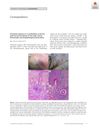 2 citations
,
June 2018 in “Clinical and Experimental Dermatology”
2 citations
,
June 2018 in “Clinical and Experimental Dermatology” Permanent hair loss after a stem cell transplant can be a sign of chronic immune system attack on the scalp.
7 citations
,
May 1993 in “Journal of the European Academy of Dermatology and Venereology” Cell adhesion molecules are important in the development of certain skin diseases.
 April 2015 in “Andrology”
 HNG may help prevent the negative effects of chemotherapy on sperm production and white blood cell counts.
20 citations
,
December 1999 in “Journal of Investigative Dermatology” Mutations in the hHb6 gene cause the hair disorder monilethrix.
August 2021 in “BMJ Case Reports” A woman with lupus had blood cell destruction, treated successfully with medication.
19 citations
,
August 2024 in “Cell Host & Microbe” 14 citations
,
February 2008 in “Stem Cells and Development” Seven genes are highly expressed in both germ-line and hematopoietic stem cells.
4 citations
,
July 2017 in “Journal of Medical Case Reports” The 2012 criteria are better for diagnosing atypical lupus cases.
22 citations
,
September 2022 in “Materials & Design” The particles effectively stop bleeding quickly and reduce blood loss.

The research developed a human hair keratin and silver ion hydrogel that could help heal wounds.
4 citations
,
September 2020 in “Stem Cell Research & Therapy” Xenobiotic-free progenitor cells improve wound healing and blood vessel formation.
26 citations
,
January 2009 in “Transfusion Medicine and Hemotherapy” Donors on most medications can donate certain blood products without waiting, except for specific drugs that need a waiting period.
 December 2012 in “Journal of dermatological science”
 Hair follicles help attract immune cells to minor skin injuries.
44 citations
,
December 2005 in “Journal of Investigative Dermatology” Certain genetic markers, especially the MICA gene, are linked to alopecia areata.
February 1985 in “PubMed”