 67 citations
,
November 2002 in “Journal of The American Academy of Dermatology”
67 citations
,
November 2002 in “Journal of The American Academy of Dermatology” The document concludes that careful evaluation is key to diagnose and treat women with hair loss, with tests for thyroid, iron, and hormones as needed.
 2 citations
,
March 2020 in “International Journal of Molecular Sciences”
2 citations
,
March 2020 in “International Journal of Molecular Sciences” Topical treatments can deliver active molecules to skin stem cells, potentially helping treat skin and hair disorders, including skin cancers and hair loss.

Higher cannabis exposure may lead to increased hair loss.

Higher cannabis use may be linked to more severe hair loss.
 October 2024 in “International Journal of Pharmaceutical Sciences Review and Research”
 A 5% minoxidil spray could effectively treat male baldness with fewer side effects and better patient comfort.
 September 2014 in “Springer eBooks”
 Aging causes hair to gray and thin, with the timing of graying varying by race, and factors like oxidative stress and genetics can lead to hair loss.

The document explains different types of skin lesions and their characteristics, causes, and related conditions.
 January 2024 in “Más dermatología”
 "Antiaging capilar" aims to restore youthful hair appearance by addressing age-related changes.
 April 2016 in “Medical Acupuncture”
 The document concludes that hair loss in women is treated with medications, therapies, and surgery in Western medicine, and with acupuncture and herbs in Chinese medicine, but hereditary hair loss is hard to reverse.
 1 citations
,
February 1988 in “The BMJ”
1 citations
,
February 1988 in “The BMJ” The document explains different hair and scalp conditions, including common hair loss after pregnancy or illness, drug-induced hair loss, hereditary excessive hair growth, patterned baldness, autoimmune hair loss, and permanent loss due to skin disease, with generally limited treatment options.
 14 citations
,
April 2011 in “Journal of the American Academy of Dermatology”
14 citations
,
April 2011 in “Journal of the American Academy of Dermatology” Researchers found a gene mutation responsible for a rare hair loss condition.
 8 citations
,
February 2005 in “Veterinary dermatology”
8 citations
,
February 2005 in “Veterinary dermatology” Chesapeake Bay retrievers' hair loss is likely a breed-specific, hereditary condition linked to abnormal steroid levels and distinct skin changes.
 2 citations
,
November 2018 in “Destaques Acadêmicos”
2 citations
,
November 2018 in “Destaques Acadêmicos” Microneedling showed the most significant results for treating hair thinning in Androgenetic Alopecia.
 1 citations
,
July 2018 in “Elsevier eBooks”
1 citations
,
July 2018 in “Elsevier eBooks” Heredity and hormones cause common hair loss, and topical minoxidil is the first recommended treatment.
3 citations
,
April 2020 in “Medicine” Acupuncture may be a safe and cost-effective treatment for Seborrheic alopecia.
1 citations
,
June 2023 in “Medicina” People with Epidermolysis bullosa have many health problems including poor oral health, which is often neglected due to other medical issues.
April 2015 in “Our Dermatology Online” Zinc supplements and diet changes can effectively treat zinc deficiency and prevent complications.
2 citations
,
January 2024 in “Revista Paulista de Pediatria” A rare genetic mutation caused severe symptoms in a 6-year-old girl with mandibuloacral dysplasia type A.
 March 2025 in “Journal of Cutaneous and Aesthetic Surgery”
 Non-laser devices show promise in treating hair issues, but more research is needed.
 July 2024 in “Journal of Dermatological Treatment”
 Botanical extracts and Minoxidil improved hair condition in a boy with a genetic disorder.
 17 citations
,
December 2004 in “The Journal of Men's Health & Gender”
17 citations
,
December 2004 in “The Journal of Men's Health & Gender” Male pattern baldness involves hormone-related hair thinning, shorter hair, and inflammation.
 11 citations
,
July 2012 in “International Journal of Trichology”
11 citations
,
July 2012 in “International Journal of Trichology” Caffeine may help hair growth in hereditary hair loss.
 November 2023 in “Materials Today Bio”
 Light therapy might help treat hereditary hair loss by improving hair follicle growth in lab cultures.
 January 2026 in “Cosmoderma”
 A 9-year-old girl has a rare hair disorder causing beaded, sparse hair.
November 2024 in “JAAD Case Reports” A 21-month-old boy has a rare genetic disorder causing sparse hair due to an LSS gene mutation.
 August 2010 in “Journal of Investigative Dermatology”
 New hair regrowth model introduced, imiquimod kills skin cancer cells, T-cadherin loss makes skin cancer more invasive, no strong link between PTCH1 gene and skin cancer after transplant, and male teens more likely to have hereditary hair loss.
 6 citations
,
February 2016 in “American Journal of Dermatopathology”
6 citations
,
February 2016 in “American Journal of Dermatopathology” The boy with woolly hair nevus had thinner hair and abnormal hair follicles, which improved with treatment but worsened when treatment stopped.
 30 citations
,
August 1983 in “Pediatric Clinics of North America”
30 citations
,
August 1983 in “Pediatric Clinics of North America” Most hair loss in children is caused by a few common conditions, and it's important to diagnose these properly and support the child's mental health.
 6 citations
,
May 1993 in “Archives of Disease in Childhood”
6 citations
,
May 1993 in “Archives of Disease in Childhood” Children's hair loss can be caused by many factors, including autoimmune diseases, emotional stress, genetics, and infections, with treatment and prognosis varying.
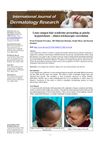 January 2026 in “International Journal of Dermatology Research”
 Early recognition of loose anagen hair syndrome is important to prevent misdiagnosis and unnecessary treatments.