 25 citations
,
January 2002 in “Folia Pharmacologica Japonica”
25 citations
,
January 2002 in “Folia Pharmacologica Japonica” Minoxidil helps hair grow by improving blood flow and increasing growth factors in hair follicles.
 August 2019 in “Journal of The American Academy of Dermatology”
 5% minoxidil foam effectively regrows hair in women, with postmenopausal women seeing the most improvement.
 44 citations
,
March 1987 in “Journal of The American Academy of Dermatology”
44 citations
,
March 1987 in “Journal of The American Academy of Dermatology” Using minoxidil on balding scalps can stimulate hair regrowth and increase blood flow. It's an effective treatment for early hair loss.
January 1997 in “Fundamental & Clinical Pharmacology”  January 2024 in “International Journal of Dermatology Research”
 Minoxidil alone is as effective as the combination but has fewer side effects.
January 2008 in “Journal of Clinical Dermatology” Proper guidance on minoxidil use is crucial for effective results and safety.
 December 2024 in “http://isrctn.com/”
 MpowerTM may improve hair growth and satisfaction more than plain minoxidil, with mild side effects.
Using 5% minoxidil foam twice daily can help regrow hair, especially in younger men aged 20-30.
 November 2024 in “RECIMA21 - Revista Científica Multidisciplinar - ISSN 2675-6218”
 Minoxidil is a safe and effective hair loss treatment, with pharmacists enhancing its benefits.
March 2026 in “Journal of Dermatological Treatment” Topical 3% minoxidil effectively and safely enhances facial hair in transgender men.
April 2023 in “Klinicheskaya dermatologiya i venerologiya” Oral Minoxidil may be better for hair growth than topical, but its long-term safety is unclear.
 25 citations
,
May 1986 in “The American Journal of the Medical Sciences”
25 citations
,
May 1986 in “The American Journal of the Medical Sciences” Minoxidil helps hair growth and boosts self-esteem in balding men.
 56 citations
,
August 1981 in “Journal of The American Academy of Dermatology”
56 citations
,
August 1981 in “Journal of The American Academy of Dermatology” Minoxidil helps hair regrowth in alopecia areata safely.
 32 citations
,
January 2019 in “American Journal of Clinical Dermatology”
32 citations
,
January 2019 in “American Journal of Clinical Dermatology” Minoxidil helps treat eyebrow thinning, monilethrix, early hair loss, and shortens chemo-related hair loss.
July 1985 in “American pharmacy” Minoxidil can effectively increase hair growth in early male pattern baldness.
 24 citations
,
January 1993 in “Dermatologic Clinics”
24 citations
,
January 1993 in “Dermatologic Clinics” Minoxidil effectively treats hair loss, works better for women, and requires consistent use.
 40 citations
,
May 1987 in “The Lancet”
40 citations
,
May 1987 in “The Lancet” Minoxidil helps some bald men, but most lose hair again when stopping.
 41 citations
,
March 1987 in “Journal of The American Academy of Dermatology”
41 citations
,
March 1987 in “Journal of The American Academy of Dermatology” Topical minoxidil effectively treats male pattern baldness and prevents hair loss.
38 citations
,
January 1993 in “PubMed” Minoxidil was crucial in advancing scientific research and treatments for hair loss.

Minoxidil sulfate, delivered through iontophoresis, can be used to treat hair loss.
November 2016 in “Cochrane Clinical Answers”  July 1989 in “British Journal of Dermatology”
 Minoxidil helps increase hair growth and density in people with hair loss, with higher concentrations giving better results.
 5 citations
,
January 2020 in “Skin Research and Technology”
5 citations
,
January 2020 in “Skin Research and Technology” Minoxidil 5% works better than 2% for hair growth in male-patterned hair loss.
The 2% minoxidil cream is stable, spreads well on the skin, and helps with hair growth.
 January 2011 in “Reactions Weekly”
 Long-term use of minoxidil may cause hair follicles to transform into noticeable terminal hairs, leading to trichostasis spinulosa.
 7 citations
,
January 2021 in “Cureus”
7 citations
,
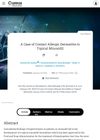
January 2021 in “Cureus” A woman had an allergic skin reaction to a hair loss treatment containing minoxidil and should not use it.
37 citations
,
March 1986 in “Acta Dermato Venereologica” 1% minoxidil didn't improve hair growth in severe alopecia areata.
12 citations
,
October 2015 in “PubMed” Topical minoxidil significantly increases hair growth in androgenetic alopecia but only some patients see cosmetically acceptable results.
 September 2023 in “Journal of The American Academy of Dermatology”
 Low-dose oral minoxidil may be effective for hair loss treatment.
 2 citations
,
September 1987 in “International Journal of Dermatology”
2 citations
,
September 1987 in “International Journal of Dermatology” Minoxidil caused hair to grow in unintended areas, like a tail, in a young girl.