1 citations
,
July 2021 in “IntechOpen eBooks” Environmental factors can cause mutations in skin proteins, leading to skin disorders.
January 2015 in “Nasza Dermatologia Online” Monilethrix causes fragile, patchy hair loss.
53 citations
,
July 2002 in “Journal of Investigative Dermatology” The Dfl mutation in mice causes poor sebaceous gland function and complete hair loss.
75 citations
,
April 2000 in “Developmental Dynamics” Whn is essential for hair growth, and its malfunction causes hair loss.
25 citations
,
May 2016 in “Molecular biology of the cell” A protein in plants needs to bind two lipids to help with root hair growth, and this process is similar across different plant species.
22 citations
,
September 2003 in “Journal of Investigative Dermatology” New mutations in the EBP gene cause CDPX2, affecting bones, skin, eyes, and hair, with females generally less affected than males.
3 citations
,
February 2018 in “Experimental and Molecular Medicine/Experimental and molecular medicine” A protein called PCBP2 controls the production of a hair growth protein by interacting with its genetic message and is linked to hair loss when this control is disrupted.
2 citations
,
May 2022 in “Stem cell research & therapy” Disrupted stem cell signals in hairpoor mice cause hair loss.
27 citations
,
March 2006 in “Molecular Plant Pathology” Legumes use flavonoids to start a process with rhizobia for nitrogen fixation, involving specific genes and proteins.
4 citations
,
October 2021 in “Journal of Clinical Medicine” Carriers of a specific gene mutation have subtle skin changes without visible symptoms.
1 citations
,
April 2024 in “Animal Genetics” A genetic defect in an Appenzeller Mountain Dog caused skin issues, improved with ketoconazole, showing the importance of advanced genetic testing.
 1 citations
,
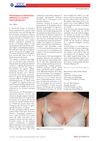
August 2012 in “Journal der Deutschen Dermatologischen Gesellschaft”
1 citations
,
August 2012 in “Journal der Deutschen Dermatologischen Gesellschaft” A woman's hyperandrogenism was caused by a genetic mutation leading to non-classic adrenogenital syndrome.
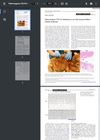
A KRT32 gene variant causes loose anagen hair syndrome.
 May 2024 in “Animal genetics”
 A cat's poor wound healing was linked to a genetic deletion in the COL5A1 gene.
 April 1981 in “Pediatric research”
 Copper treatments increase copper in all tissues, but brindled female mice accumulate much more copper in their kidneys without clinical effects, unlike brindled male mice where brain copper deficiency is clinically significant.
 January 2026 in “Frontiers in Medicine”
 A child has a rare hair and skin disorder due to specific gene variants, suggesting broader genetic testing is needed.
May 2018 in “The journal of immunology/The Journal of immunology” Mutations in the FOXN1 gene cause severe immune issues but don't affect hair and nails.
29 citations
,
January 1996 in “The Journal of Clinical Endocrinology & Metabolism” A genetic mutation in a specific gene causes a salt-wasting condition in a Pakistani girl and her family.
5 citations
,
May 2014 in “Clinical and Experimental Dermatology” Mutations in the desmoplakin gene can cause hair problems and deadly heart disease.
 March 2023 in “JAAD case reports”
 A new genetic change in the keratin 10 gene caused a skin condition called ichthyosis hystrix in a father and his daughter.
May 2017 in “The journal of immunology/The Journal of immunology” Patients with certain FoxN1 gene mutations have severe immune issues but normal skin and hair.
 2 citations
,
April 2013 in “Expert Review of Endocrinology & Metabolism”
2 citations
,
April 2013 in “Expert Review of Endocrinology & Metabolism” Identifying nonclassic congenital adrenal hyperplasia and carriers of CYP21 mutations is challenging, and genetic counseling is recommended due to their prevalence.
 June 2021 in “Dermatology Online Journal”
 A girl with a rare genetic condition affecting hair and nails also developed a common type of hair loss, suggesting a possible genetic link.
April 2019 in “Journal of the Endocrine Society” A young patient with unusual insulin resistance and high testosterone levels had a rare INSR gene mutation.
26 citations
,
April 2011 in “British Journal of Dermatology” New mutations in the DSG4 gene cause a rare hair condition.
July 2025 in “Clinical Case Reports” A new genetic mutation in the TRPS1 gene causes Trichorhinophalangeal Syndrome, leading to specific hair, dental, and bone issues.
A new mutation in the TRPS1 gene caused Trichorhinophalangeal syndrome in a 17-year-old, highlighting the need for genetic testing.
 January 2024 in “Genetics in Medicine Open”
 A new IL6ST gene variant may cause a unique form of hyper-IgE syndrome with skin abscesses and high IgE levels.
 February 2023 in “Journal of dermatology”
 The first Japanese case of a genetic hair disorder caused by specific mutations in the LIPH gene was identified.