 13 citations
,
April 2018 in “Scientific Reports”
13 citations
,
April 2018 in “Scientific Reports” The genes KRT25 and SP6 affect curly hair in horses, with KRT25 also causing hair loss. If both genes are mutated, the horse gets curly hair and hair loss. KRT25 can hide the effect of SP6.
10 citations
,
November 2018 in “The Italian Journal of Pediatrics/Italian journal of pediatrics” Early diagnosis of Trichorhinophalangeal syndrome type 1 is crucial for treatment and was achieved through clinical examination and family history.
6 citations
,
December 2015 in “International journal of immunopathology and pharmacology” AE can have varied symptoms and genetic causes, but zinc therapy helps.
 January 2024 in “Pediatric Dermatology”
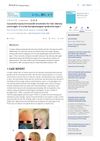
 Minoxidil improved hair growth in a child with a rare genetic disorder.
 January 2024 in “Pediatric rheumatology online journal”
 Early genetic testing and JAK inhibitors can help treat systemic inflammation in SAVI patients.
January 2013 in “Kidney international” A man with kidney tumors and lung cysts was diagnosed with Birt–Hogg–Dubé syndrome and treated successfully, with genetic testing confirming the diagnosis.
January 2002 in “Agritrop (Cirad)” The hr gene is linked to hair loss in Valle del Belice sheep.
151 citations
,
June 2010 in “Endocrinology and metabolism clinics of North America” Two rare genetic diseases cause severe rickets in children due to defects in vitamin D metabolism.
41 citations
,
July 2018 in “Frontiers in Neurology” Myotonic dystrophy may be classified as a segmental progeroid disorder.
40 citations
,
November 2021 in “International Journal of Molecular Sciences” Mutant keratins cause inflammation in Epidermolysis Bullosa Simplex, suggesting targeting them could help treat the disorder.
18 citations
,
January 2009 in “Experimental Dermatology” mTOR may link different pathways in hair follicle tumor formation.
8 citations
,
January 2014 in “Indian Journal of Paediatric Dermatology” Congenital atrichia with papular lesions causes permanent hair loss and skin bumps from birth.
 December 2024 in “Indian Journal of Dermatology”
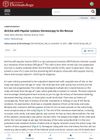
 Dermoscopy is useful for diagnosing Atrichia with Papular Lesions in children without needing a biopsy.
1 citations
,
October 2019 in “International Journal of Dermatology and Venereology” Zebrafish help understand genetic causes of skin pigment disorders like albinism.
41 citations
,
March 2016 in “The Journal of Clinical Endocrinology & Metabolism” In STSD patients, the body compensates for low androgen levels by increasing another enzyme's activity.
39 citations
,
October 2012 in “Familial cancer” New therapies for Birt–Hogg–Dubé syndrome are being developed based on understanding the FLCN gene's role.
36 citations
,
September 2015 in “Orphanet Journal of Rare Diseases” Revertant cell therapy could be a future treatment for Ichthyosis with confetti.
29 citations
,
January 2021 in “G3 Genes Genomes Genetics” A 195 bp duplication in the HOXC10 gene causes crests in domestic chickens.
29 citations
,
June 2020 in “International Journal of Molecular Sciences” Notch signaling disruptions can cause various skin diseases.
27 citations
,
June 2020 in “Genes” Lykoi cats' unique sparse hair is linked to specific genetic variants in the Hairless gene.
11 citations
,
January 2005 in “Brazilian Journal of Medical and Biological Research” Hairless USP mice have enlarged skin cysts as they age.
8 citations
,
March 2023 in “British Journal of Dermatology” Next-generation sequencing greatly improves understanding and treatment of genetic hair disorders.
8 citations
,
December 2022 in “International journal of molecular sciences” Mice without the enzyme HSD17B3 still produce normal testosterone, suggesting they have different ways to make it compared to humans.
7 citations
,
October 2022 in “Development” Overactive Wnt5a disrupts hair follicle orientation in mice.
3 citations
,
December 2022 in “The Neurologist” CARASIL, a rare genetic disorder, was confirmed in an Arabic woman, highlighting its rarity and need for stroke prevention.
3 citations
,
April 2012 in “Journal of the American Academy of Dermatology” Men with Addison disease should be screened for X-linked adrenoleukodystrophy if they have hair loss.
2 citations
,
September 2024 in “Asian Journal of Andrology” New SRD5A2 variants may disrupt protein function, aiding diagnosis and treatment of related disorders.
1 citations
,
August 2015 in “Experimental Dermatology” KIT's role in skin cells is not entirely independent, as other cells can influence its function.
CRISPR gene editing reduces harmful molecules in cells from Emery–Dreifuss Muscular Dystrophy patients.
March 2025 in “European Journal of Medical Genetics” Tofacitinib helped improve symptoms and hair growth in a patient with Aicardi-Goutières syndrome.