3 citations
,
July 2023 in “Frontiers in Aging” Hair follicle stem cells change states with age, affecting hair growth and aging.
3 citations
,
September 2021 in “BioEssays” Dandruff might be caused by changes in how hair follicles naturally release oils and an immune response to this imbalance.
3 citations
,
January 2021 in “Oxidative Medicine and Cellular Longevity” Nrf-2-modified stem cells from hair follicles significantly improve ulcerative colitis in rats.
Understanding hair follicle interactions can help treat male pattern baldness.
2 citations
,
September 2022 in “World Rabbit Science” The WIF1 gene is crucial for hair growth in Angora rabbits.
 2 citations
,
July 2022 in “Stem cell research & therapy”
2 citations
,
July 2022 in “Stem cell research & therapy” A new method quickly and efficiently isolates hair follicle stem cells from adult mice, promoting hair growth.
1 citations
,
November 2023 in “Biomedicines” Menopause can cause hair thinning and texture changes due to hormonal and metabolic shifts.
 1 citations
,
October 2022 in “Scientific reports”
1 citations
,
October 2022 in “Scientific reports” Nestin identifies specific progenitor cells in hair follicles that can become outer root sheath cells.
1 citations
,
March 2022 in “Journal of biological chemistry/The Journal of biological chemistry” Removing a specific gene in certain skin cells causes hair loss in mice by disrupting hair follicle development.
1 citations
,
April 2016 in “Journal of Investigative Dermatology” Targeting specific T cells may help treat alopecia areata.
1 citations
,
February 2025 in “Cell Biology International” Hair follicle stem cells are better than dental pulp stem cells at becoming insulin-producing cells, useful for diabetes therapy.
 1 citations
,
December 2023 in “Scientific reports”
1 citations
,
December 2023 in “Scientific reports” 3D microenvironments in microwells improve hair follicle stem cell behavior and hair regeneration.
 1 citations
,
January 2020
1 citations
,
January 2020 Ift20 is essential for hair follicle function and skin cell movement.
 1 citations
,
September 2019 in “Journal of Investigative Dermatology”
1 citations
,
September 2019 in “Journal of Investigative Dermatology” Human hair matrix cells and dermal papilla fibroblasts can form early hair follicle structures but don't produce hair shafts yet.
 April 2026 in “Frontiers in Medicine”
 Farudodstat may help prevent hair loss in alopecia areata by stopping immune attacks on hair follicles.

Farudodstat can prevent hair follicle immune damage linked to alopecia areata.
January 2026 in “Non-coding RNA Research” Exosomal miRNA-218-5p promotes hair growth and development.

Understanding hair follicle signaling can improve hair disorder treatments.
 February 2025 in “International Journal of Molecular Sciences”
 Maternal melatonin improves offspring hair growth by affecting specific proteins and pathways.

Erythropoietin overexpression disrupts hair growth and fat formation in mice.
November 2022 in “bioRxiv (Cold Spring Harbor Laboratory)” Prostaglandin E2 helps prevent hair loss from radiotherapy by protecting hair cells.
 November 2022 in “Journal of Investigative Dermatology”
 Blocking mTORC1 activity could increase hair pigmentation and potentially reverse greying.
October 2021 in “The journal of investigative dermatology/Journal of investigative dermatology” Blocking cell death in hair follicles can lead to impaired hair growth.
June 2021 in “Faculty Opinions – Post-Publication Peer Review of the Biomedical Literature” The skin basement membrane is specialized for different tissue interactions, important for hair growth and attachment.
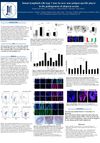
Innate lymphoid cells type 1 may contribute to alopecia areata by damaging hair follicles.
 April 2018 in “Journal of Investigative Dermatology”
 Fat under the skin can help hair grow longer, darker, and increase cell growth.
Understanding hair follicle communication can help treat hair loss.
 August 2016 in “Journal of Investigative Dermatology”
 The enzyme CD73 helps control human hair growth and could be targeted to treat hair growth disorders.
PPARβ/δ helps yaks adapt to high altitudes by regulating lipid metabolism in their coats.
 July 2024 in “Journal of Nanobiotechnology”
 Mouse cell exosomes help hair regrowth and wound healing by activating a specific signaling pathway.