2 citations
,
January 2018 in “International Journal of Trichology” The hCG diet and testosterone therapy can cause hair loss in some people.
November 2021 in “CRC Press eBooks” Female androgenic alopecia causes hair thinning in women, especially after menopause, and affects their mental well-being.
 28 citations
,
December 2012 in “The American Journal of Cosmetic Surgery”
28 citations
,
December 2012 in “The American Journal of Cosmetic Surgery” Proteins from stem cells improved hair growth in patients with hair loss.
 January 2018 in “Przegla̧d dermatologiczny”
 Hair loss may increase heart disease risk.
20 citations
,
January 2002 in “Laboratory Animals” Mutations in the hairless gene cause hair loss and skin cysts in rhesus macaques.
 3 citations
,
April 2011 in “Expert Review of Dermatology”
3 citations
,
April 2011 in “Expert Review of Dermatology” Male hair loss is caused by inactive hair follicle stem cells.
53 citations
,
June 1983 in “Journal of Investigative Dermatology” The enzyme is crucial for skin cell development and can be activated without proteolytic activation.
 February 2026 in “Archives of Dermatological Research”
 Microneedle-delivered polyglutamate effectively and safely improves hair growth in androgenetic alopecia.
2 citations
,
September 2017 in “Journal of Investigative Dermatology” Notch1 signaling is impaired in hidradenitis suppurativa, affecting skin and hair cells.
Androgenetic alopecia causes gradual hair thinning due to genetics and hormones, with treatment options including scalp prostheses.
Men with androgenetic alopecia may have higher triglycerides, suggesting a link to lipid metabolism.
 August 2023 in “Journal of Investigative Dermatology”
 Ganoderma lucidum extract and its component, ganoderic acid A, may effectively prevent hair loss.
 7 citations
,
June 2015 in “European Journal of Plastic Surgery”
7 citations
,
June 2015 in “European Journal of Plastic Surgery” PRGF treatment safely and effectively helps hair loss.
 6 citations
,
January 2013 in “Genetics and Molecular Research”
6 citations
,
January 2013 in “Genetics and Molecular Research” Women with hair loss have more androgen receptors in certain hair follicles.
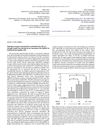 19 citations
,
September 2011 in “Journal of Dermatological Science”
19 citations
,
September 2011 in “Journal of Dermatological Science” TGF-β1 increases androgen receptor activity in hair loss, but Hic-5/ARA55 can counter this effect.
 14 citations
,
September 2007 in “Steroids”
14 citations
,
September 2007 in “Steroids” The study concluded that androstendione and DHEA are important for diagnosing high male hormone levels in women with excessive hair growth.
 August 2025 in “International Journal of Contemporary Pediatrics”
 HLD10 can include increased body hair and Mongolian spots.
January 2025 in “EXPERIMENTAL ANIMALS” Gamma-ray exposure improves genome editing efficiency in mice using the i-GONAD method.
January 2011 in “The Chinese Journal of Dermatovenereology” Shorter GGN repeats in the androgen receptor gene are linked to androgenetic alopecia.
 August 2025 in “BMC Pregnancy and Childbirth”
 A new EDA gene variant causes X-linked hypohidrotic ectodermal dysplasia in a Chinese family.
1 citations
,
January 2025 in “Archives of Dermatological Research” Higher levels of IL-1R1 and hsa-miR-19b-3p may help diagnose and predict alopecia areata severity.
 185 citations
,
August 2005 in “Autoimmunity Reviews”
185 citations
,
August 2005 in “Autoimmunity Reviews” Alopecia areata is an autoimmune condition causing hair loss due to the immune system attacking hair follicles, often influenced by genetics and stress.
 11 citations
,
September 2010 in “American Journal of Medical Genetics - Part A”
11 citations
,
September 2010 in “American Journal of Medical Genetics - Part A” A Turkish family with sparse hair and eyebrow loss has a mutation in the U2HR gene linked to Marie Unna hereditary hypotrichosis.
7 citations
,
November 2006 in “Journal of immunological methods” The method can help diagnose and monitor diabetes by analyzing hair.
January 2026 in “Dermatologic Therapy” Higher dihydrotestosterone (DHT) levels are linked to male pattern baldness.
28 citations
,
June 2000 in “PubMed” Androgenetic alopecia is common hair loss due to genetics and DHT.
 April 2022 in “Our Dermatology Online”
 A woman had unusual hair growth on one side of her chin without a known cause.
 July 2025 in “Chinese Journal of Dermatology”
 Certain N-glycans may help assess hair loss severity in men with female-pattern hair loss.
5 citations
,
February 2021 in “Gels” HYDRO DELUXE BIO hyaluronic acid hydrogel is compatible with skin cells, may reduce inflammation, promote blood vessel growth, and protect against oxidative stress, suggesting it could help revitalize hair follicles.
44 citations
,
April 2013 in “Proceedings of the National Academy of Sciences of the United States of America” FGF13 gene changes cause excessive hair growth in a rare condition.