Search
for
Sort by
Research
60-90 / 1000+ resultsresearch Keratin expression in the human hair follicle

research Human hair keratin hydrogel : fabrication, characterization and application
Keratin hydrogels from human hair show promise for tissue engineering and regenerative medicine.
research HAIR KERATINIZATION IN HEALTH AND DISEASE
Understanding intermediate filaments helps explain hair health and related diseases.
research A cDNA encoding the human type I hair keratin hHa1
hHb1, hHb3, and hHb6 mRNAs start expressing at the same time in hair follicles.
research Bidirectional binding property of high glycine–tyrosine keratin-associated protein contributes to the mechanical strength and shape of hair
High glycine–tyrosine keratin-associated proteins help make hair strong and maintain its shape.
research Preparation and Properties of Human Hair Keratin Film Lacking Keratin-Associated Proteins
The new keratin film without KAPs stains better and could help study keratin functions.
research Isolation and characterization of genomic clones of human sequences presumably coding for hair cysteine-rich proteins
A new protein linked to hair strength was identified, aiding in understanding brittle hair conditions.
research Human hair follicle cells of outer root sheath maintain their genuine keratin expression in vitro

research Insights on the mechanical behavior of keratin fibrils
Keratin's mechanical properties are influenced by hydrogen bonds and secondary structure, and can be improved with the SPD-2 peptide.

research A comparative study of materials assembled from recombinant K31 and K81 and extracted human hair keratins
Recombinant keratin materials may better promote skin cell differentiation than natural keratin.
research Human hair keratin and its-based biomaterials for biomedical applications
Human hair keratin can be used in many medical applications.
research A Novel Human Type II Cytokeratin, K6hf, Specifically Expressed in the Companion Layer of the Hair Follicle
K6hf is a unique protein found only in a specific layer of hair follicles.
research Health improvement of human hair and their reshaping using recombinant keratin K31
Recombinant keratin K31 makes damaged hair thicker, stronger, and straighter.

research Understanding the biochemical properties of human hair keratins : self-assembly potential and cell response
Human hair keratins can self-assemble and support cell growth, useful for biomedical applications.

research The human keratins: biology and pathology
Keratins are crucial for cell stability, wound healing, and cancer diagnosis.
research Human Hair Keratin‐Associated Proteins (KAPs)
Keratin-associated proteins are crucial for hair strength and structure.
research Human hair keratin templates for biomedical applications
Human hair keratin is a promising and sustainable biomaterial for tissue regeneration.
research Special Biochemical Features of the Hair Follicle
Hair follicles have unique proteins that vary by species and are influenced by nutrition.
research Sequences and differential expression of three novel human type-II hair keratins
Hair differentiation starts earlier than thought, involving multiple type-II keratins.
research hKAP1.6 and hKAP1.7, Two Novel Human High Sulfur Keratin-Associated Proteins are Expressed in the Hair Follicle Cortex
Two new proteins, hKAP1.6 and hKAP1.7, are found in the hair follicle cortex.
research The keratin fibres
research Development of a mechanically stable human hair keratin film for cell culture
A new film made from human hair supports skin cell growth better than collagen.
research Changing the shape of hair with keratin peptides
Keratin peptides can change hair shape gently without harsh chemicals.
research Ultrastructural localization of hair keratins, high sulfur keratin-associated proteins and sulfhydryl oxidase in the human hair
Hair proteins change location and structure as hair cells mature.

research Individual Human Hair Keratin Rapidly Extracted Through the Advanced Oxidation Process and Their Hemostatic and Wound Healing Evaluations
The new method extracts keratin from hair faster and better, and the resulting product improves blood clotting and wound healing, with potential for personalized treatments.

research Self-Assembly of Solubilized Human Hair Keratins
Human hair keratins can form stable nanofiber networks that might help in tissue regeneration.
research Reactive keratin derivatives: A promising strategy for covalent binding to hair
Modified keratin binds better to hair, especially bleached hair.
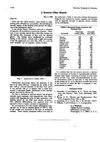
research A Keratin Fiber Sheath
Hair fibers may have a unique, non-protein sheath not previously identified.
research Acidic and basic hair/nail ("hard") keratins: their colocalization in upper cortical and cuticle cells of the human hair follicle and their relationship to "soft" keratins.
Hair and nail cells share similar proteins, indicating a common differentiation pathway.