 11 citations
,
January 2011 in “Indian Dermatology Online Journal”
11 citations
,
January 2011 in “Indian Dermatology Online Journal” Eating dairy and high glycemic foods may increase the risk of acne.

research Acne
2 citations
,
May 2011 in “Harper's Textbook of Pediatric Dermatology” Acne is a common skin condition linked to diet, hormones, and genetics, and early treatment can prevent scarring.
 November 2014 in “John Wiley & Sons, Ltd eBooks”
 Eating high-glycemic and dairy foods can increase hormones that may cause acne and other health issues.
 39 citations
,
January 2013 in “Indian Journal of Dermatology, Venereology and Leprology”
39 citations
,
January 2013 in “Indian Journal of Dermatology, Venereology and Leprology” Eating high glycemic foods and drinking milk may worsen acne by increasing insulin and IGF-1 levels.
Diet and supplements can significantly affect acne, with some foods and nutrients reducing and others worsening it.
 June 2015 in “Journal of the turkish academy of dermatology”
 Eating the right foods is important for skin health and can help treat some skin conditions.
 93 citations
,
January 2016 in “British Journal of Dermatology”
93 citations
,
January 2016 in “British Journal of Dermatology” Eating a high-glycemic diet may worsen acne by increasing certain protein levels and expressions in the skin.
 68 citations
,
May 2011 in “European Journal of Dermatology”
68 citations
,
May 2011 in “European Journal of Dermatology” Acne is caused by genetics, diet, hormones, and bacteria, with treatments not yet curative.
200 citations
,
August 2009 in “Experimental dermatology” Eating high-glycemic foods and drinking milk may worsen acne by increasing insulin and IGF-1 levels.
 March 2017 in “InTech eBooks”
 Acne vulgaris is a common skin condition that can cause low self-esteem and depression, and early treatment is important to prevent scarring.
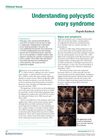 2 citations
,
September 2009 in “Nurse Prescribing”
2 citations
,
September 2009 in “Nurse Prescribing” PCOS affects many women, causing various symptoms and health risks, and is managed through lifestyle changes, medication, and support groups.
 2 citations
,
July 2022 in “Cutis”
2 citations
,
July 2022 in “Cutis” Diet may influence acne development.
 August 2023 in “Repository of the University of Primorsk (University of Primorska)”
 A Western diet may increase acne risk, while a Mediterranean diet and certain supplements can help reduce it.
 48 citations
,
February 2008 in “Nutrition in Clinical Practice”
48 citations
,
February 2008 in “Nutrition in Clinical Practice” Dietary changes, including weight loss and a balanced diet, are important for managing PCOS, especially in overweight women.
54 citations
,
October 2010 in “Clinics in dermatology” Diet, especially dairy and high-sugar foods, can cause acne.
 18 citations
,
June 2019 in “Clinical research in dermatology”
18 citations
,
June 2019 in “Clinical research in dermatology” Acne can't be cured but can be managed with treatments like benzoyl peroxide and diet changes; it's costly and can lead to scarring and mental health issues.
research Acne
4 citations
,
January 2019 Acne is a common skin condition that can be influenced by diet, lifestyle, and hormones, and requires a treatment approach that includes psychological considerations.
 91 citations
,
April 2017 in “Diabetes & Metabolic Syndrome: Clinical Research and Reviews”
91 citations
,
April 2017 in “Diabetes & Metabolic Syndrome: Clinical Research and Reviews” Eating fewer calories, less sugar and refined carbs, and more low-glycemic and omega-3 rich foods can help manage PCOS symptoms.
 7 citations
,
June 2021 in “Trends in Food Science and Technology”
7 citations
,
June 2021 in “Trends in Food Science and Technology” Western diet may cause male pattern baldness; low glycemic diet with magnesium could help.
 138 citations
,
July 2015 in “Clinical, Cosmetic and Investigational Dermatology”
138 citations
,
July 2015 in “Clinical, Cosmetic and Investigational Dermatology” Eating less sugar, milk, and saturated fats and more vegetables and fish may help treat and prevent acne.
466 citations
,
June 2009 in “Experimental dermatology” We now understand more about what causes acne and this could lead to better, more personalized treatments.
 5 citations
,
May 2017 in “Current Opinion in Pediatrics”
5 citations
,
May 2017 in “Current Opinion in Pediatrics” Hormonal therapies are safe and effective for treating acne in female adolescents, with specific treatments for those with endocrine disorders.
 5 citations
,
May 2008 in “Pediatric Diabetes”
5 citations
,
May 2008 in “Pediatric Diabetes” Low-glycemic index diets are beneficial for weight loss and satiety, but more research is needed on long-term effects and individualized approaches are recommended.
 6 citations
,
January 2011 in “Springer eBooks”
6 citations
,
January 2011 in “Springer eBooks” Nutrition is important for skin health, and changing diet can help prevent and treat skin diseases.
 May 2026 in “International Journal of Creative and Open Research in Engineering and Management”
 A balanced diet and healthy lifestyle are crucial for preventing hair loss.
 52 citations
,
February 2018 in “Diabetology & Metabolic Syndrome”
52 citations
,
February 2018 in “Diabetology & Metabolic Syndrome” Some skin conditions may indicate metabolic syndrome, which could help with early detection and management of related health issues.
 15 citations
,
January 2016 in “Przeglad Menopauzalny”
15 citations
,
January 2016 in “Przeglad Menopauzalny” Eating a balanced diet with specific nutrients is important for menopausal women to manage hair loss.
 41 citations
,
June 2016 in “Reviews in endocrine and metabolic disorders”
41 citations
,
June 2016 in “Reviews in endocrine and metabolic disorders” Hidradenitis suppurativa may be related to hormones and patients often have metabolic disorders; more research is needed to understand this connection.
 October 2025 in “International Journal For Multidisciplinary Research”
 Eating apples regularly can improve heart health and help prevent chronic diseases.
 5 citations
,
February 2019 in “BioMed Research International”
5 citations
,
February 2019 in “BioMed Research International” Acne in reproductive-age women may be linked to conditions like PCOS and lifestyle factors, so doctors should check for these when treating acne.