 34 citations
,
July 2011 in “Journal of Dermatological Treatment”
34 citations
,
July 2011 in “Journal of Dermatological Treatment” Curcuma aeruginosa extract combined with minoxidil effectively treats male-pattern baldness.
January 2009 in “Journal of Tissue Engineering and Reconstructive Surgery” Combining hair transplantation with minoxidil is effective and easy for treating hair loss.
 August 2023 in “Journal of Cosmetic Dermatology”
 Using a laser with minoxidil was more effective for hair loss than minoxidil alone.
March 2026 in “International Journal of Dermatology” Topical finasteride effectively and safely improves hair growth in men with androgenetic alopecia.
June 2025 in “OPAL (Open@LaTrobe) (La Trobe University)” A new hydrogel method improves minoxidil delivery for better hair growth.
26 citations
,
June 1988 in “PubMed” 3% topical minoxidil is ineffective for severe chronic alopecia areata.
3 citations
,
January 1990 in “DICP” Minoxidil and tretinoin together may help hair growth but need more research.
 July 2024 in “Quality in Sport”
 Combined minoxidil and PRP therapy improves hair growth without affecting physical performance.
2 citations
,
March 2009 in “Journal of Clinical Dermatology” Topical 5% minoxidil is safe and effective for treating hair loss in Korean men.
 July 2025 in “The Journal of Dermatology”
 5% topical minoxidil may help reduce hair loss and increase hair growth in telogen effluvium.
 February 2024 in “Dermatology Reports”
 Microneedling combined with minoxidil is more effective and safe for hair growth in men with hair loss.
 100 citations
,
March 1973 in “American Journal of Cardiology”
100 citations
,
March 1973 in “American Journal of Cardiology” Minoxidil effectively lowers blood pressure without major side effects.
1 citations
,
July 2016 in “PubMed” 5% minoxidil foam is effective and safe for hair regrowth in women with hair loss.
 27 citations
,
January 1989 in “The Journal of dermatologic surgery and oncology”
27 citations
,
January 1989 in “The Journal of dermatologic surgery and oncology” Using topical minoxidil before and after hair transplant surgery can reduce shedding and improve hair regrowth.

Low-dose oral minoxidil is effective and generally safe for treating hair loss in women.
Minoxidil can treat female hair loss but may cause side effects.
 January 2025 in “International Journal of Trichology”
 Topical spironolactone and minoxidil both effectively treat female hair loss, but spironolactone has fewer side effects.
11 citations
,
February 1986 in “Archives of Dermatology” A 5% minoxidil solution led to better hair regrowth in severe alopecia areata than a 1% solution, but results were often not cosmetically acceptable.
 110 citations
,
August 2016 in “Drugs”
110 citations
,
August 2016 in “Drugs” Minoxidil is the only FDA-approved topical drug for treating male or female pattern hair loss, and other medications like finasteride and dutasteride can also increase hair growth.
 May 2025 in “InnovAiT Education and inspiration for general practice”
 Male pattern hair loss is common, affects mental health, and can be treated with medication or hair transplants.
 2 citations
,
October 2012 in “PubMed”
2 citations
,
October 2012 in “PubMed” Topical minoxidil effectively treats Female Pattern Hair Loss in women of all ages and hormone levels, but evidence for antiandrogens is limited.
 52 citations
,
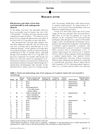
May 2019 in “Journal of The American Academy of Dermatology”
52 citations
,
May 2019 in “Journal of The American Academy of Dermatology” Low-dose oral minoxidil effectively improves male hair loss with mild side effects.
January 2024 in “Repositorio - Universidad de Ciencias Aplicadas y Ambientales UDCA.” Minoxidil is more effective than finasteride for treating hair loss in women aged 20 to 50 in Colombia.
 May 2026 in “Zenodo (CERN European Organization for Nuclear Research)”
 Minoxidil may help facial hair grow, but more research is needed.

Combining Minoxidil with topical Dutasteride via microneedling is the most effective and safe treatment for hair loss.

CG2001 is safe, well-tolerated, and a promising treatment for hair loss with fewer side effects.
July 2026 in “Anais Brasileiros de Dermatologia” Nanominoxidil shows promise for hair growth but needs more clinical trials to confirm its effectiveness and safety.
 2 citations
,
October 2020 in “Más dermatología”
2 citations
,
October 2020 in “Más dermatología” Choose between topical and oral minoxidil for hair growth based on personal tolerance and side effects.
 January 2025 in “JAAD International”
 Bicalutamide added no extra benefit over minoxidil alone for female-pattern hair loss.
 53 citations
,
August 2019 in “Journal of The American Academy of Dermatology”
53 citations
,
August 2019 in “Journal of The American Academy of Dermatology” Oral minoxidil and topical minoxidil 5% both effectively improve female-pattern hair loss with safe side effects.