Spironolactone with an oral contraceptive improved hair growth in women with hirsutism.
 32 citations
,
May 1995 in “Contact Dermatitis”
32 citations
,
May 1995 in “Contact Dermatitis” Minoxidil can cause allergic reactions, but testing helps identify the cause.
10 citations
,
March 2008 in “Journal of Zoo and Wildlife Medicine” A special clotrimazole varnish cured a siamang's persistent skin infection after 3 months.
 January 2025 in “Dermatologic Therapy”
 Minoxidil with betamethasone is the most effective for hair regrowth in alopecia areata.
 June 2024 in “Journal of cosmetic dermatology”
 Dutasteride is the most studied alternative drug for androgenetic alopecia, but more high-quality research is needed.

A new topical treatment using micelles shows promise for safer and more effective hair regrowth in androgenetic alopecia.
52 citations
,
June 1998 in “British journal of dermatology/British journal of dermatology, Supplement” Ruby laser treatment is effective and well-tolerated for reducing hair growth.
 October 2025 in “Journal of Craniofacial Surgery”
 Chitosan and minoxidil both improve hair growth, but more research is needed on chitosan.
 October 2024 in “Intisari Sains Medis”
 Combining secretome with other treatments quickly improves eyebrow hair growth in alopecia areata.
1 citations
,
October 2015 in “The Pharma Innovation Journal” The best way to make a topical treatment for hair loss is to mix Saw Palmetto extract with 48% ethanol at the end of making the lotion.
 July 1989 in “British Journal of Dermatology”
 Minoxidil helps increase hair growth and density in people with hair loss, with higher concentrations giving better results.
 3 citations
,
January 2018
3 citations
,
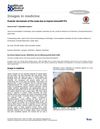
January 2018 A woman had an unusual allergic reaction to a hair loss treatment, which cleared up after stopping the treatment and using a different medication.
6 citations
,
May 2024 in “JAAD Case Reports” Topical ruxolitinib cream may help treat frontal fibrosing alopecia.
 19 citations
,
July 2020 in “Journal of drug delivery science and technology”
19 citations
,
July 2020 in “Journal of drug delivery science and technology” Nanoemulsions with minoxidil and clove oil effectively target hair follicles for better alopecia treatment.
17 citations
,
January 1993 in “PubMed” Antiandrogens should be used effectively to treat skin conditions like hair loss, acne, and excess hair growth.
 December 2023 in “Expert Review of Endocrinology & Metabolism”
 New methods help diagnose skin conditions caused by too much male hormone in women, like acne, hair loss, and excess hair growth.
 12 citations
,
November 1993 in “International Journal of Dermatology”
12 citations
,
November 1993 in “International Journal of Dermatology” The document explains that hirsutism, often caused by hormonal issues, can be managed with treatment to improve both physical appearance and mental health.
 14 citations
,
October 2020 in “Natural Products and Bioprospecting”
14 citations
,
October 2020 in “Natural Products and Bioprospecting” Various treatments, including FDA-approved drugs, natural products, and oral supplements, can help with hair loss, but a patient's medical history and potential allergies should be considered when choosing a treatment.
40 citations
,
January 2013 in “Clinical Cosmetic and Investigational Dermatology” Desonide is more effective than niacinamide for reducing underarm darkening.
 June 2025 in “Journal of the Faculty of Medicine Baghdad”
 Clove oil may help hair growth like minoxidil, but more human tests are needed.
 12 citations
,
July 2020 in “Dermatologic Therapy”
12 citations
,
July 2020 in “Dermatologic Therapy” Minoxidil, applied on the skin or taken orally, can improve hair growth in kids, but more research is needed due to possible side effects.
 August 1986 in “Journal of The American Academy of Dermatology”
 Minoxidil showed a 30% success rate for hair growth in a study, and various skin treatments were effective, but some had limitations or side effects.
 2 citations
,
October 2020 in “The Journal of clinical and aesthetic dermatology”
2 citations
,
October 2020 in “The Journal of clinical and aesthetic dermatology” The herbal mix (Biochanin A, Acetyl tetrapeptide-3, and Ginseng Extracts) and the 3% Minoxidil solution are equally effective in treating hair loss, but the herbal mix has fewer side effects.
 165 citations
,
January 2014 in “Dermatology Research and Practice”
165 citations
,
January 2014 in “Dermatology Research and Practice” Zinc is effective for treating various skin conditions, including warts and acne.
5 citations
,
January 2016 in “Surgical and Cosmetic Dermatology” 24 citations
,
January 2018 in “Journal of Cutaneous and Aesthetic Surgery” Combining microneedling with minoxidil is more effective for hair growth than using minoxidil alone.
February 2023 in “Reactions Weekly”  46 citations
,
March 2001 in “Journal of endocrinological investigation”
46 citations
,
March 2001 in “Journal of endocrinological investigation” 5α-reductase inhibitors, like finasteride and dutasteride, effectively treat BPH, male baldness, and hirsutism, with potential for acne and prostate cancer prevention.
 25 citations
,
June 2018 in “Clinical and Experimental Dermatology”
25 citations
,
June 2018 in “Clinical and Experimental Dermatology” Combined microneedling and minoxidil improves hair growth more than minoxidil alone.
October 2024 in “International Journal of Pharmaceutics” The finasteride patch effectively treats hair loss by enhancing skin absorption.