 May 2015 in “Journal of The American Academy of Dermatology”
 The treatments for fungal nail infection, hair loss in men, benign nail tumor, and chemotherapy-associated nail bed inflammation are effective and safe.
 3 citations
,
April 2014 in “Journal of Dietary Supplements”
3 citations
,
April 2014 in “Journal of Dietary Supplements” CARI ONE helps start hair growth and makes hair follicles bigger and more numerous.
 143 citations
,
April 2018 in “Electronic physician”
143 citations
,
April 2018 in “Electronic physician” More research is needed to confirm safflower's traditional medicinal uses.
 52 citations
,
May 2015 in “PLOS Genetics”
52 citations
,
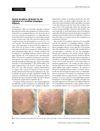
May 2015 in “PLOS Genetics” miR-22, a type of microRNA, controls hair growth and its overproduction can cause hair loss, while its absence can speed up hair growth.
 22 citations
,
September 2004 in “Journal of The European Academy of Dermatology and Venereology”
22 citations
,
September 2004 in “Journal of The European Academy of Dermatology and Venereology” Bimatoprost can cause longer, thicker, darker eyelashes and eyebrows.
 19 citations
,
December 2016 in “PLOS ONE”
19 citations
,
December 2016 in “PLOS ONE” Early-stage skin cells help regenerate hair follicles, with proteins SDF1, MMP3, biglycan, and LTBP1 playing key roles.
 3 citations
,
May 2018 in “Experimental Dermatology”
3 citations
,
May 2018 in “Experimental Dermatology” Young HS patients often have other physical and mental health issues, and research on HS covers a wide range of topics including genetics, triggers, treatments, and the need for more data.
 January 2014 in “Journal of Investigative Dermatology”
 Proteins like aPKC and PDGF-AA, substances like adenosine and ATP, and adipose-derived stem cells all play important roles in hair growth and health, and could potentially be used to treat hair loss and skin conditions.
October 2012 in “Zhongguo shengwu gongcheng zazhi” Effective DNA extraction from hair shafts is crucial for genetic studies.
 September 2009 in “Pediatric Dermatology”
 UVB is good for a skin condition in Asian kids, a lotion works for head lice, a drug helps with a skin blistering disorder, a foam reduces itchiness in skin inflammation, birthmarks can be more widespread, and criteria for a neurocutaneous disorder were agreed upon.
 July 2009 in “Medical & surgical dermatology”
 Low-dose acitretin helps nail psoriasis, stem cells may treat scarring alopecia, Chinese men have lower baldness rates, lateral foldplasty is good for ingrown toenails, hair diameter helps diagnose female baldness, childhood trauma linked to alopecia areata, certain hair-weaving leads to scalp conditions in African American women, and new methods for hair research and understanding hair and sweat gland development were introduced.
 June 2008 in “British Journal of Dermatology”
 Herpes gestationis is linked to certain antigens, atopic eczema affects T cell populations and may be eased by breastfeeding, higher doses of anti-androgen treatment can improve androgenic alopecia, topical minoxidil increases hair thickness, long-term methotrexate therapy can cause liver fibrosis in psoriasis patients, and Lichen Sclerosus et Atrophicus patients aren't at higher risk for autoimmune disorders.
 December 2021 in “Molecular genetics and genomics”
 Cats with abnormal hair had DSG4 gene changes causing hair problems.
 17 citations
,
June 2014 in “Journal of Ultrasound in Medicine”
17 citations
,
June 2014 in “Journal of Ultrasound in Medicine” Abnormal cuticle and hair shaft medulla cause hair loss in androgenetic alopecia; sonography helps diagnose and manage it.
 85 citations
,
February 1989 in “Journal of The American Academy of Dermatology”
85 citations
,
February 1989 in “Journal of The American Academy of Dermatology” Children with loose anagen hair have easily pluckable hair due to root sheath problems, and it might improve without treatment.
 July 2018 in “British Journal of Dermatology”
 Hair regrowth was seen in 83% of children with alopecia, immune system plays a role in the condition, and various treatments showed effectiveness for hair and nail disorders.
 July 2003 in “Journal of Cutaneous Medicine and Surgery”
 Certain drugs can cause lupus, stopping these drugs is the main treatment. NB-UVB phototherapy clears psoriasis faster when applied three times a week. Monoclonal antibodies and oral pimecrolimus are effective in treating psoriasis. Smoking and drinking are linked to psoriasis in men. No direct link between low iron and hair loss was found. Vaccines are effective against genital herpes and human papillomavirus type 16.
 July 2003 in “Journal of Cutaneous Medicine and Surgery”
 Blood pressure drugs can cause skin lupus, early treatment is key for baby herpes and diabetic foot ulcers, a certain vaccine works against genital herpes and HPV in women, more frequent light therapy helps psoriasis, smoking and drinking can worsen psoriasis, a cream clears up a type of skin cancer, and low iron levels don't cause chronic hair loss.
 July 2003 in “Journal of Cutaneous Medicine and Surgery”
 Various skin conditions can be treated effectively with different methods, such as discontinuing certain drugs, using specific vaccines, applying creams, and changing lifestyle habits like smoking and drinking.
 July 2003 in “Journal of Cutaneous Medicine and Surgery”
 High blood pressure drugs often cause skin lupus, stopping the drug usually helps. A vaccine helps prevent genital herpes and HPV-16. More frequent light therapy clears psoriasis faster. No link was found between low iron and chronic hair loss.
 July 2003 in “Journal of Cutaneous Medicine and Surgery”
 Blood pressure drugs can cause skin lupus, but it improves after stopping the drug. The glycoprotein D vaccine works against genital herpes in some women, and the HPV-16 vaccine reduces HPV-16 infection and related diseases. More frequent light therapy clears psoriasis faster. A cream called imiquimod effectively treats a type of skin cancer. Iron supplements don't necessarily help with chronic hair loss in women.
 19 citations
,
March 2013 in “Journal of Cutaneous Pathology”
19 citations
,
March 2013 in “Journal of Cutaneous Pathology” The study found unique skin changes in a rare type of alopecia linked to a skin condition called linear morphea.
 158 citations
,
February 2000 in “Archives of dermatology”
158 citations
,
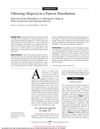
February 2000 in “Archives of dermatology” Some people with pattern hair loss may also have scalp inflammation and scarring similar to lichen planopilaris.
 92 citations
,
June 2017 in “Journal of Plastic Reconstructive and Aesthetic Surgery”
92 citations
,
June 2017 in “Journal of Plastic Reconstructive and Aesthetic Surgery” Microneedling is a safe and effective treatment for various skin conditions, often preferred for its fewer side effects and shorter recovery time.
 25 citations
,
May 2020 in “Aesthetic Surgery Journal”
25 citations
,
May 2020 in “Aesthetic Surgery Journal” The regenerative solution, tSVF, is a safe and effective treatment for various conditions like aged skin, scars, wounds, and more, but more research is needed to find the best way to use it.
 21 citations
,
June 2019 in “Dermatologic Surgery”
21 citations
,
June 2019 in “Dermatologic Surgery” Platelet-rich plasma (PRP) treatment has been found effective in promoting hair growth for alopecia patients, with minimal side effects like temporary pain and redness.
 8 citations
,
October 2018 in “Journal of The American Academy of Dermatology”
8 citations
,
October 2018 in “Journal of The American Academy of Dermatology” The review suggests there's no agreed treatment for Frontal Fibrosing Alopecia, but hydroxychloroquine and 5a-reductase inhibitors are most effective. New treatments like platelet-rich plasma and LED light could help if standard treatments fail.
 2 citations
,
June 2018 in “Clinical and Experimental Dermatology”
2 citations
,
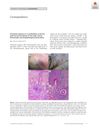
June 2018 in “Clinical and Experimental Dermatology” Permanent hair loss after a stem cell transplant can be a sign of chronic immune system attack on the scalp.
 August 2010 in “The Journal of Dermatology”
 The document concludes that low-dose acne treatment is most suitable for moderate acne, with high patient satisfaction and low relapse rates.
 August 2010 in “Journal of Investigative Dermatology”
 New hair regrowth model introduced, imiquimod kills skin cancer cells, T-cadherin loss makes skin cancer more invasive, no strong link between PTCH1 gene and skin cancer after transplant, and male teens more likely to have hereditary hair loss.