 25 citations
,
March 2013 in “British Journal of Dermatology”
25 citations
,
March 2013 in “British Journal of Dermatology” Woman has discoid lupus, frontal fibrosing, and androgenetic alopecia.
 18 citations
,
July 2018 in “Skin appendage disorders”
18 citations
,
July 2018 in “Skin appendage disorders” Trichoscopy helps diagnose hair and scalp disorders in dark-skinned people by identifying unique patterns.

Atopic dermatitis affects the appearance of skin reactions, making certain features more common and improving diagnostic accuracy with dermoscopy.
 July 2022 in “Skin research and technology”
 Skin CT can help diagnose rosacea by identifying specific skin features, but should be used with clinical signs to avoid misdiagnosis.
 36 citations
,
November 2000 in “Journal of the American Academy of Dermatology”
36 citations
,
November 2000 in “Journal of the American Academy of Dermatology” A woman with dermatomyositis showed rare skin symptoms, was treated successfully, and her case suggests checking for cancer in similar patients.
 30 citations
,
January 2020 in “Journal of The American Academy of Dermatology”
30 citations
,
January 2020 in “Journal of The American Academy of Dermatology” Fibrosing alopecia in a pattern distribution is a hair loss condition often confused with other types, requiring early treatment but usually not resulting in significant hair regrowth.
 16 citations
,
June 2015 in “Pediatric dermatology”
16 citations
,
June 2015 in “Pediatric dermatology” Lichen Planopilaris in teens is rare, often misdiagnosed, and responds well to steroids.
 January 1999 in “Journal of the European Academy of Dermatology and Venereology”
 RAPK is a rare skin disorder with pigmented spots, mainly on hands and feet, starting in youth.
 1 citations
,
January 2013 in “International Journal of Trichology”
1 citations
,
January 2013 in “International Journal of Trichology” The conference discussed various hair disorders and treatments, including the use of topical steroids, high doses of cetrizine, and hair grafting, as well as the psychological impact of hair loss.
 9 citations
,
June 2003 in “Veterinary dermatology”
9 citations
,
June 2003 in “Veterinary dermatology” Boxer dogs may have a genetic skin condition that worsens seasonally and can be treated with certain medications.
 49 citations
,
April 2000 in “Journal of The American Academy of Dermatology”
49 citations
,
April 2000 in “Journal of The American Academy of Dermatology” Despite progress in treatment, the exact cause of Alopecia areata is still unknown.
 18 citations
,
June 2017 in “Journal of The American Academy of Dermatology”
18 citations
,
June 2017 in “Journal of The American Academy of Dermatology” Trichoscopy helps diagnose frontal fibrosing alopecia, even with unusual patterns.
 15 citations
,
March 2016 in “The American Journal of Dermatopathology”
15 citations
,
March 2016 in “The American Journal of Dermatopathology” Demodex mites rarely cause scalp infections leading to hair loss, but when they do, treatment is effective.
 13 citations
,
January 2018 in “International Journal of Dermatology”
13 citations
,
January 2018 in “International Journal of Dermatology” The study found that treatment improved hair condition in patients with Fibrosing Alopecia in a Pattern Distribution in Chile.
 13 citations
,
July 2014 in “The Journal of Dermatology”
13 citations
,
July 2014 in “The Journal of Dermatology” Dermoscopy helped diagnose discoid lupus erythematosus in two patients without needing skin biopsies.
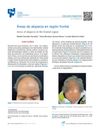 January 2025 in “Revista del Centro Dermatológico Pascua”
 Early diagnosis and treatment can help manage fibrosing alopecia in older women.
 February 2024 in “Journal of dermatology research reviews & reports”
 A 50-year-old woman with breast cancer developed an autoimmune skin disorder, highlighting the need for thorough checks and team-based treatment.
 April 2016 in “Journal of The American Academy of Dermatology”
 Women with PCOS often have more hair growth, skin darkening, and acne, which are linked to hormonal and metabolic issues.
 February 2011 in “Journal of the American Academy of Dermatology”
 A 60-year-old man with a long-term balding condition also developed a rare hair loss condition usually seen in postmenopausal women.
 290 citations
,
December 2017 in “Journal of The American Academy of Dermatology”
290 citations
,
December 2017 in “Journal of The American Academy of Dermatology” Alopecia areata is an autoimmune condition causing hair loss, influenced by genetics, stress, and diet, and may be prevented by a high soy oil diet.
 41 citations
,
July 2017 in “Journal of The American Academy of Dermatology”
41 citations
,
July 2017 in “Journal of The American Academy of Dermatology” Men with Frontal fibrosing alopecia typically lose hair on the front scalp and sometimes on sideburns and upper lip, with treatments showing varied success.
 29 citations
,
June 2013 in “Journal of the Saudi Society of Dermatology & Dermatologic Surgery”
29 citations
,
June 2013 in “Journal of the Saudi Society of Dermatology & Dermatologic Surgery” Alopecia areata is an autoimmune hair loss condition treated with corticosteroids, and histologic confirmation is the best diagnosis method.
 27 citations
,
January 2015 in “Current problems in dermatology”
27 citations
,
January 2015 in “Current problems in dermatology” The document concludes that primary scarring alopecias cause permanent hair loss, have unpredictable outcomes, and lack definitive treatments, requiring personalized care.
 18 citations
,
January 2017 in “Annals of dermatology/Annals of Dermatology”
18 citations
,
January 2017 in “Annals of dermatology/Annals of Dermatology” Certain immune cells contribute to severe hair loss in chronic alopecia areata, with Th17 cells possibly having a bigger impact than cytotoxic T cells.
 17 citations
,
May 2016 in “Archives of Dermatological Research”
17 citations
,
May 2016 in “Archives of Dermatological Research” Reflectance confocal microscopy can help tell apart scarring from non-scarring hair loss.
 14 citations
,
March 2014 in “Journal of The American Academy of Dermatology”
14 citations
,
March 2014 in “Journal of The American Academy of Dermatology” Symmetrical Acrokeratoderma (SAK) may be a unique skin condition in China, lacking specific treatment and needing long-term monitoring.
 4 citations
,
March 2011 in “Korean Journal of Veterinary Research”
4 citations
,
March 2011 in “Korean Journal of Veterinary Research” Two dogs in Korea were diagnosed with a rare skin condition usually seen in cats.
 July 2018 in “Elsevier eBooks”
 Discoid Lupus Erythematosus often causes scarring hair loss, is influenced by genetics and environment, and requires early treatment to prevent worsening.
 41 citations
,
June 2003 in “Journal of The American Academy of Dermatology”
41 citations
,
June 2003 in “Journal of The American Academy of Dermatology” Long-term minoxidil use can cause pseudoacromegaly, but stopping it improves symptoms.
 20 citations
,
March 2017 in “Journal of cutaneous pathology”
20 citations
,
March 2017 in “Journal of cutaneous pathology” Shrinking of oil glands in the skin is a key sign of hair loss linked to TNF inhibitor drugs and may improve if the treatment is stopped.