July 2024 in “Journal of Investigative Dermatology” Versican in dermal papilla cells is crucial for healthy hair growth.
3 citations
,
September 2024 in “Journal of Microbiology and Biotechnology” Human placenta extract reduces inflammation and symptoms in atopic dermatitis.
19 citations
,
July 1997 in “British Journal of Dermatology” LHTric-1 is a specific antibody useful for studying hair and nail formation.
 4 citations
,
September 2020 in “Cell division”
4 citations
,
September 2020 in “Cell division” XMU-MP-1 stops cell growth in a human mini-organ and reduces the effectiveness of the chemotherapy drug paclitaxel.
 January 2024 in “Archives of Biological Sciences (Beograd)”
 AP collagen peptides may help hair grow better and become stronger.
35 citations
,
September 1994 in “Journal of Investigative Dermatology” 50 citations
,
September 2023 in “Biomarker Research” S100A6 is important for cell functions and can help diagnose and treat diseases.
1 citations
,
September 2023 in “Frontiers in Genetics” A heterozygous mutation in HTRA1 can cause severe CARASIL symptoms.
 10 citations
,
January 2013 in “Journal of skin cancer”
10 citations
,
January 2013 in “Journal of skin cancer” PKC ε increases hair follicle stem cell turnover and may raise skin cancer risk.
 November 2022 in “The journal of investigative dermatology/Journal of investigative dermatology”
 Skin organoids with NCSTN mutation show changes in hair follicle development and higher inflammation, key features of Hidradenitis Suppurativa.
13 citations
,
August 1999 in “Journal of Investigative Dermatology” Bikunin is found on the cell boundaries of certain skin layers and may help regulate skin and hair functions.
 74 citations
,
September 2006 in “Cell Cycle”
74 citations
,
September 2006 in “Cell Cycle” The HR protein's role as a repressor is essential for controlling hair growth.
4 citations
,
January 2020 in “Dermatology Online Journal” Congenital atrichia with papular lesions causes permanent hair loss and skin bumps due to a gene mutation.
 7 citations
,
August 2017 in “PloS one”
7 citations
,
August 2017 in “PloS one” Key genes linked to hair growth and cancer were identified in hairless mice.
101 citations
,
October 2007 in “Journal of Biological Chemistry” Reduced matriptase activity causes skin and hair issues in both humans and mice.
7 citations
,
January 2020 in “The journal of investigative dermatology/Journal of investigative dermatology” NIPP1 is important for healthy skin and could help treat skin inflammation.
 August 2015 in “MOJ proteomics & bioinformatics”
 ePUKs could be valuable for regenerative medicine due to their wound healing abilities.
10 citations
,
December 2008 in “Molecular Carcinogenesis” The PML protein helps prevent skin cancer in mice.
 19 citations
,
September 2011 in “Journal of Dermatological Science”
19 citations
,
September 2011 in “Journal of Dermatological Science” TGF-β1 increases androgen receptor activity in hair loss, but Hic-5/ARA55 can counter this effect.
1 citations
,
January 2015 in “China Animal Husbandry & Veterinary Medicine” Four keratin genes are crucial for hair growth in Xinji fine wool sheep.
42 citations
,
July 1993 in “Journal of Investigative Dermatology”  15 citations
,
January 1987 in “Electrophoresis”
15 citations
,
January 1987 in “Electrophoresis” Human head hair proteins can be typed into eight distinct patterns, useful for genetic and forensic investigations.
 4 citations
,
July 2020 in “Biochemical and Biophysical Research Communications”
4 citations
,
July 2020 in “Biochemical and Biophysical Research Communications” A protein called ectodysplasin-A2 increases a hair growth inhibitor in balding cells, which could be a target for hair loss treatment.
 10 citations
,
March 2019 in “Human Genetics”
10 citations
,
March 2019 in “Human Genetics” A genetic mutation in the SGK3 gene causes hairlessness in Scottish Deerhounds and may relate to human hair loss.
 1 citations
,
June 2023 in “International journal of biological macromolecules”
1 citations
,
June 2023 in “International journal of biological macromolecules” Human hair proteins can help blood clot when mixed in equal parts.
 1 citations
,
February 2013 in “Clinical pediatrics”
1 citations
,
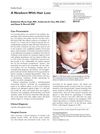
February 2013 in “Clinical pediatrics” The baby’s hair loss was due to a rare genetic condition, not treatable by usual methods.
 August 2019 in “Journal of Investigative Dermatology”
 Frog skin cells need the protein desmoplakin for proper development and cell layer formation.
198 citations
,
November 1989 in “The Journal of Cell Biology” Keratin K14 expression varies between hair follicles and epidermis, affecting cell differentiation.
28 citations
,
October 2014 in “Development” Fz3 and Fz6 can partially replace each other in tissue polarity and axon guidance.
January 2026 in “Aging and Disease” DKK proteins could help diagnose and treat various non-cancerous diseases.