 6 citations
,
May 2003 in “PubMed”
6 citations
,
May 2003 in “PubMed” Small amounts of DNA can be found in the hair shaft, especially near the root, but it decreases with hair treatments and washing.
5 citations
,
March 2025 in “Pediatric Dermatology” Alopecia areata in children is caused by the immune system attacking hair follicles due to genetic factors.
2 citations
,
July 2023 in “International Journal of Dermatology” Lichen planopilaris patients are more likely to have hypothyroidism.
 2 citations
,
July 2022 in “Frontiers in Medicine”
2 citations
,
July 2022 in “Frontiers in Medicine” The cause of Frontal fibrosing alopecia, a type of hair loss, is complex, likely involving immune responses and genetics, but is not fully understood.
 1 citations
,
September 2023 in “Clinical, cosmetic and investigational dermatology”
1 citations
,
September 2023 in “Clinical, cosmetic and investigational dermatology” Certain genetic variants linked to immune response increase the risk of alopecia areata in Taiwanese people.
 1 citations
,
June 2023 in “Genes”
1 citations
,
June 2023 in “Genes” Hair loss from Alopecia Areata is caused by both genes and environment, with several treatments available but challenges in cost and relapse remain.
 1 citations
,
September 2021 in “CRC Press eBooks”
1 citations
,
September 2021 in “CRC Press eBooks” Frontal Fibrosing Alopecia is a hair loss condition mainly affecting postmenopausal women, with unclear causes and various clinical patterns.
 1 citations
,
January 2015 in “Advanced techniques in biology & medicine”
1 citations
,
January 2015 in “Advanced techniques in biology & medicine” Down Syndrome patients with Alopecia Areata often have hypothyroidism and specific immune abnormalities.
 January 2022 in “Przegla̧d dermatologiczny”
 The exact cause of frontal fibrosing alopecia is unknown, but it's not likely due to sunscreen.
 July 2018 in “Elsevier eBooks”
 Lichen Planopilaris is a hair loss condition best treated early with various medications, including hydroxychloroquine, to prevent permanent baldness.
 February 2009 in “Journal of The American Academy of Dermatology”
 Certain immune system genes are linked to a higher risk of psoriasis and psoriatic arthritis, while others may offer protection.

The new therapy using specific stem cells from umbilical cords speeds up healing of chronic skin wounds.
February 2026 in “Journal of Advances in Biology & Biotechnology” Alopecia areata causes unpredictable hair loss and requires personalized treatment.
November 2025 in “npj Breast Cancer” Tamoxifen increases the risk of lasting hair loss after chemotherapy despite scalp cooling.
July 2025 in “Journal of Investigative Dermatology” Machine learning can help identify biomarkers for personalized Pemphigus vulgaris treatment.
 November 2024 in “medRxiv (Cold Spring Harbor Laboratory)”
 Genetic factors affecting skin health and body weight may increase the risk of dermatophytosis.
 February 2024 in “Australasian journal of dermatology”
 Inflammatory acne damages skin stem cells and reduces their growth, leading to atrophic acne scars.
January 2024 in “Updates in clinical dermatology” Frontal fibrosing alopecia is a scarring hair loss condition mainly affecting postmenopausal women, with unclear causes.
 January 2024 in “Wiadomości Lekarskie”
 Uveal melanoma is hard to treat when it spreads, but a new drug, tebentafusp, helps patients live longer.
 October 2020 in “Our Dermatology Online”
 Chronic bacterial infections of hair follicles can cause ongoing skin inflammation.

Hidradenitis Suppurativa has genetic links, with certain gene mutations more common in patients and a third of cases having a family history.
December 2019 in “Saintika Medika” A woman with lupus also developed a severe skin condition linked to a genetic factor.
April 2018 in “Journal of Investigative Dermatology” Melanogenesis-related proteins may trigger immune responses in alopecia areata patients.
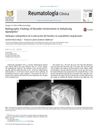 July 2016 in “Reumatología Clínica (English Edition)”
 The patient with Ankylosing Spondylitis had shoulder joint damage and bone changes.
 April 2012 in “Encyclopedia of Life Sciences”
 Different genes are linked to various types of hair loss.
April 2006 in “Pediatrics in Review” Graves disease is the main cause of hyperthyroidism in kids, especially girls aged 11-15, and requires lifelong follow-up.

The patient with total hair loss did not regrow hair despite treatment, indicating a poor outlook for this type of hair loss.

Alopecia areata, a type of hair loss, may be passed through T cells and has genetic links, while treatments vary in effectiveness. Male pattern baldness can be treated with finasteride and is influenced by androgens in hair follicles.
Somatostatin helps hair follicles suppress immune responses, which might aid in treating certain hair loss conditions.
4 citations
,
August 2006 in “The Journal of Dermatology” HLA can be linked to autoimmune hepatitis.