 32 citations
,
May 2012 in “PloS one”
32 citations
,
May 2012 in “PloS one” Thymic transplantation normalized some T-cells but not others, maintaining immune function.
 5 citations
,
February 2022 in “Supportive Care in Cancer”
5 citations
,
February 2022 in “Supportive Care in Cancer” Older age is the main risk factor for hemorrhagic cystitis after stem cell transplants.
 2 citations
,
October 2021 in “Research Square (Research Square)”
2 citations
,
October 2021 in “Research Square (Research Square)” Older age and prostatic hyperplasia in males increase the risk of hemorrhagic cystitis after stem cell transplantation.
 12 citations
,
September 2021 in “Stem Cell Reviews and Reports”
12 citations
,
September 2021 in “Stem Cell Reviews and Reports” StemMACS media is better for growing therapeutic stem cells than PowerStem media.
 August 2021 in “Research Square (Research Square)”
 StemMACS media is better for growing therapeutic stem cells.
 16 citations
,
March 2018 in “Seminars in Oncology”
16 citations
,
March 2018 in “Seminars in Oncology” The document concludes that pregnancy and cancer share immune evasion tactics, but more research is needed before using checkpoint blockade immunotherapy in pregnant cancer patients to avoid harm to the placenta.
 32 citations
,
January 2017 in “Orphanet journal of rare diseases”
32 citations
,
January 2017 in “Orphanet journal of rare diseases” FOXN1 gene mutations cause a rare, severe immune disease treatable with cell or tissue transplants.
January 2026 in “International Journal of Molecular Sciences” Eyebrow follicles are best for accurate genetic testing after stem cell transplants.
 27 citations
,
September 2014 in “JAMA dermatology”
27 citations
,
September 2014 in “JAMA dermatology” Female donor to male recipient sex mismatch and positive ACA-IgG are key risk factors for vitiligo and alopecia areata in chronic GvHD patients.
 January 2018 in “General internal medicine and clinical innovations”
 Busulfan/cyclophosphamide and total bone irradiation are equally effective for AML transplants.
Donor lymphocyte infusions effectively treated leukemia relapse but caused vitiligo and alopecia areata.
 63 citations
,
May 2000 in “Australasian Journal of Dermatology”
63 citations
,
May 2000 in “Australasian Journal of Dermatology” Chemotherapy and bone marrow transplant can cause permanent hair loss.
 May 2018 in “White Rose eTheses Online (University of Leeds, The University of Sheffield, University of York)”
 Alopecia areata may be treated by using EGCG to balance immune cells and reduce inflammation.
 139 citations
,
February 2010 in “The journal of allergy and clinical immunology/Journal of allergy and clinical immunology/The journal of allergy and clinical immunology”
139 citations
,
February 2010 in “The journal of allergy and clinical immunology/Journal of allergy and clinical immunology/The journal of allergy and clinical immunology” Transplant success has improved with better immunosuppressive drugs and donor matching.
 69 citations
,
January 2013 in “Frontiers in Immunology”
69 citations
,
January 2013 in “Frontiers in Immunology” The FOXN1 gene is crucial for developing immune cells and preventing immune disorders.
 67 citations
,
January 2020 in “Cellular & Molecular Immunology/Cellular & molecular immunology”
67 citations
,
January 2020 in “Cellular & Molecular Immunology/Cellular & molecular immunology” Tissue-resident memory T cells can protect against infections and cancer but may also contribute to autoimmune diseases.
 60 citations
,
June 2019 in “Ageing Research Reviews”
60 citations
,
June 2019 in “Ageing Research Reviews” Fat from the body can help improve hair growth and scars when used in skin treatments.
 58 citations
,
April 2012 in “Journal of the American Academy of Dermatology”
58 citations
,
April 2012 in “Journal of the American Academy of Dermatology” Graft-versus-host disease is a complication where donor immune cells attack the recipient's body, often affecting the skin, liver, and gastrointestinal tract.
 36 citations
,
April 2013 in “Cell and Tissue Research”
36 citations
,
April 2013 in “Cell and Tissue Research” Bone-marrow and epidermal stem cells help heal wounds differently, with bone-marrow cells aiding in blood vessel formation and epidermal cells in hair growth.
 7 citations
,
March 2018 in “Journal of The American Academy of Dermatology”
7 citations
,
March 2018 in “Journal of The American Academy of Dermatology” Skin changes like hair loss, white patches, and nail changes are common in children after bone marrow transplants, often linked to chronic rejection.
 5 citations
,
October 2018 in “American Journal of Clinical Dermatology”
5 citations
,
October 2018 in “American Journal of Clinical Dermatology” Skin problems are common after stem cell transplants, and early treatment by dermatologists can improve patient outcomes.
 2 citations
,
January 2026 in “Frontiers in Endocrinology”
2 citations
,
January 2026 in “Frontiers in Endocrinology” Next-generation Treg therapies could help achieve lasting immune tolerance in type 1 diabetes.
 2 citations
,
March 2017 in “TURKDERM”
2 citations
,
March 2017 in “TURKDERM” Skin and mucous membrane issues are common in kids after bone marrow transplants, so careful monitoring is crucial.
 1 citations
,
September 2022 in “Morphology”
1 citations
,
September 2022 in “Morphology” Human stem cells have diverse sources and potential uses in medicine.
 1 citations
,
September 2023 in “Journal of Fatwa Management and Research”
1 citations
,
September 2023 in “Journal of Fatwa Management and Research” Islamic perspectives in Malaysia raise ethical concerns about using stem cells, especially from embryos, for beauty and medical treatments.
 October 2025 in “Pakistan journal of urology.”
 Personalized, minimally invasive treatments improve urology outcomes.
 May 1991 in “Current problems in dermatology”
 Skin issues can indicate immune system problems.
 February 2026 in “BMC Plastic and Reconstructive Surgery”
 Induced pluripotent stem cells could improve chronic wound healing but face safety and effectiveness challenges.

Tacrolimus causes fewer acute rejections than cyclosporin A in kidney transplants but doesn't necessarily improve kidney function after one year; cardiovascular risks and side effects vary between the two drugs.
 May 2018 in “European Journal of Dermatology”
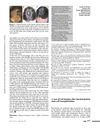
 Adjusting the medication tacrolimus resolved a boy's red nail beds after a stem cell transplant.