 17 citations
,
July 1994 in “Journal of Dermatological Science”
17 citations
,
July 1994 in “Journal of Dermatological Science” The cause of alopecia areata is likely a mix of genetics, immune system issues, and environmental factors, with more research needed to understand it fully.
 125 citations
,
August 2020 in “Frontiers in Immunology”
125 citations
,
August 2020 in “Frontiers in Immunology” Men generally have more severe COVID-19 cases and higher death rates than women due to biological differences.
 7 citations
,
January 2019 in “Australasian Journal of Dermatology”
7 citations
,
January 2019 in “Australasian Journal of Dermatology” A genetic marker linked to a type of hair loss was found in most patients studied.
 12 citations
,
January 2015 in “Indian Journal of Dermatology, Venereology and Leprology”
12 citations
,
January 2015 in “Indian Journal of Dermatology, Venereology and Leprology” A mother and daughter with similar hair loss conditions and identical HLA types suggest a genetic link between the conditions.
 27 citations
,
April 2018 in “Scientific Reports”
27 citations
,
April 2018 in “Scientific Reports” Psoriasis patients' immune response to a hair protein depends on their specific gene type.
 April 2012 in “Encyclopedia of Life Sciences”
 Different genes are linked to various types of hair loss.
 2 citations
,
July 2022 in “Frontiers in Medicine”
2 citations
,
July 2022 in “Frontiers in Medicine” The cause of Frontal fibrosing alopecia, a type of hair loss, is complex, likely involving immune responses and genetics, but is not fully understood.
 32 citations
,
March 2015 in “The Journal of Clinical Endocrinology & Metabolism”
32 citations
,
March 2015 in “The Journal of Clinical Endocrinology & Metabolism” Alopecia areata is linked to thyroid autoimmunity but not type 1 diabetes.

Alopecia areata, a type of hair loss, may be passed through T cells and has genetic links, while treatments vary in effectiveness. Male pattern baldness can be treated with finasteride and is influenced by androgens in hair follicles.
5 citations
,
January 1994 in “Dermatology” Corticosteroid therapy reduces specific immune cells and promotes hair growth in alopecia areata patients.
 115 citations
,
March 2019 in “Nature Communications”
115 citations
,
March 2019 in “Nature Communications” Frontal fibrosing alopecia is linked to four genetic areas, especially the HLA-B*07:02 allele.

The patient with total hair loss did not regrow hair despite treatment, indicating a poor outlook for this type of hair loss.
CRPS I is complex, linked to immune and nerve issues, and needs comprehensive treatment.
January 2024 in “Updates in clinical dermatology” Frontal fibrosing alopecia is a scarring hair loss condition mainly affecting postmenopausal women, with unclear causes.
 88 citations
,
February 2010 in “JEADV. Journal of the European Academy of Dermatology and Venereology/Journal of the European Academy of Dermatology and Venereology”
88 citations
,
February 2010 in “JEADV. Journal of the European Academy of Dermatology and Venereology/Journal of the European Academy of Dermatology and Venereology” Vitiligo is linked to autoimmune diseases and hearing issues, so hearing tests are recommended for patients.
40 citations
,
October 2012 in “Dermatologic clinics” More research is needed to understand the genetic causes of Alopecia areata to develop better treatments.
143 citations
,
January 2004 in “Journal of Investigative Dermatology Symposium Proceedings” Alopecia areata is an autoimmune disease causing hair loss, treatable with immune-modulating drugs, and linked to genetics.
 30 citations
,
July 2019 in “PloS one”
30 citations
,
July 2019 in “PloS one” Patients with Alopecia areata have fewer specific immune cells that normally regulate the immune system, which may contribute to the condition.
 32 citations
,
May 2012 in “PloS one”
32 citations
,
May 2012 in “PloS one” Thymic transplantation normalized some T-cells but not others, maintaining immune function.
18 citations
,
January 2013 in “PLoS ONE” HLA-DRB5 and other genes may be linked to alopecia universalis.
 March 2023 in “Scholars international journal of obstetrics and gynecology”
 PCOS is a complex condition that affects women's hormonal balance and metabolism, requiring lifestyle changes and medical management.
 20 citations
,
November 2005 in “Journal of Investigative Dermatology Symposium Proceedings”
20 citations
,
November 2005 in “Journal of Investigative Dermatology Symposium Proceedings” IFN-γ and IL-2 are important for T cell activation in hair loss in mice.
 5 citations
,
February 2015 in “Endocrinology Diabetes and Metabolism Case Reports”
5 citations
,
February 2015 in “Endocrinology Diabetes and Metabolism Case Reports” Insulin therapy helped a man with autoimmune issues regrow his hair.
 12 citations
,
September 2021 in “Stem Cell Reviews and Reports”
12 citations
,
September 2021 in “Stem Cell Reviews and Reports” StemMACS media is better for growing therapeutic stem cells than PowerStem media.
 8 citations
,
January 2018 in “European journal of dermatology/EJD. European journal of dermatology”
8 citations
,
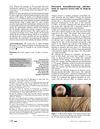
January 2018 in “European journal of dermatology/EJD. European journal of dermatology” The girl's regrown brown hair had less of certain pigments than her original black hair.
 4 citations
,
September 2019 in “Biomedical Papers/Biomedical Papers of the Faculty of Medicine of Palacký University, Olomouc Czech Republic”
4 citations
,
September 2019 in “Biomedical Papers/Biomedical Papers of the Faculty of Medicine of Palacký University, Olomouc Czech Republic” CD2 might be a new treatment target for patchy alopecia areata.
 1 citations
,
September 2023 in “Acta dermato-venereologica”
1 citations
,
September 2023 in “Acta dermato-venereologica” Certain genetic variants are linked to frontal fibrosing alopecia in Spanish patients.
 August 2021 in “Research Square (Research Square)”
 StemMACS media is better for growing therapeutic stem cells.
 8 citations
,
January 2020 in “Plastic and Aesthetic Nursing”
8 citations
,
January 2020 in “Plastic and Aesthetic Nursing” The article concludes that different types of hair loss require specific treatments and psychological support is important.
 April 2024 in “Research Square (Research Square)”
 A 27-year-old with APS-1 showed improvement in symptoms after treatment.