 12 citations
,
January 2016 in “Journal of Clinical and Investigative Dermatology”
12 citations
,
January 2016 in “Journal of Clinical and Investigative Dermatology” Low vitamin D levels are common in people with Alopecia Areata.
 April 2025 in “International Journal of Homoeopathic Sciences”
 Homeopathy helped regrow hair and improve emotional health in alopecia areata.
 April 2026 in “International Journal of Homoeopathic Sciences”
 Alopecia areata is linked to thyroid diseases, and thyroid testing may help affected patients.
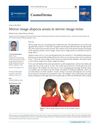
Mirror-image twins can have alopecia areata on opposite sides of their heads.
 January 2021 in “Online Publication Service of Würzburg University (Würzburg University)”
 Diphenylcyclopropenon treatment for Alopecia areata is effective and safe, improving patients' quality of life.
 July 2025 in “International Journal of Dermatology Venereology and Leprosy Sciences”
 Higher stress levels may worsen alopecia areata, suggesting stress management is important for treatment.
 April 2024 in “Proceedings”
 People with alopecia areata often have lower iron levels than healthy people.
 July 2012 in “European journal of cancer”
 MPA increases cancer spread by boosting Eph A2 activity.
 April 2003 in “Experimental Dermatology”
 The workshop highlighted the genetic links and psychological impacts of hair loss and skin disorders.
 January 2019 in “Springer eBooks”
 Acne is linked to inflammation and insulin resistance, and is associated with various syndromes that require different treatments.
 66 citations
,
March 2009 in “British journal of surgery”
66 citations
,
March 2009 in “British journal of surgery” Hidradenitis suppurativa treatment should be tailored to the individual, with quitting smoking being important.
 36 citations
,
January 2012 in “International Journal of Trichology”
36 citations
,
January 2012 in “International Journal of Trichology” Losing eyelashes or eyebrows can be a sign of many different health problems and needs a careful approach to treat effectively.
 99 citations
,
July 2017 in “Clinical Reviews in Allergy & Immunology”
99 citations
,
July 2017 in “Clinical Reviews in Allergy & Immunology” New treatments for Alopecia Areata show promise but need to be more effective and affordable.
 10 citations
,
June 2019 in “International Journal of Cosmetic Science”
10 citations
,
June 2019 in “International Journal of Cosmetic Science” Some plant-based chemicals may help with hair growth, but more research is needed to confirm their effectiveness.
 March 2018 in “Suez Canal University Medical Journal”
 New drugs targeting the JAK-STAT pathway show promise for treating inflammatory skin diseases.

Frontal fibrosing alopecia can be managed with personalized combination therapies, but no cure exists yet.

Diet and supplements can significantly affect acne, with some foods and nutrients reducing and others worsening it.
 20 citations
,
January 2012 in “International journal of trichology”
20 citations
,
January 2012 in “International journal of trichology” Steroids are the best treatment for Alopecia Areata with few side effects.
 4 citations
,
October 2019 in “Case Reports”
4 citations
,
October 2019 in “Case Reports” A 33-year-old woman with PCOS and metabolic syndrome was unusually diagnosed with a bone condition called DISH, suggesting a possible link between these conditions.
 January 2005 in “Elektronische Hochschulschriften der LMU München (Ludwig-Maximilians-Universität München)”
 Topical immunotherapy with DPCP is most effective for certain alopecia areata types, with success linked to age and disease duration, and influenced by a gene polymorphism.
 1 citations
,
August 2021 in “International Journal of Research in Dermatology”
1 citations
,
August 2021 in “International Journal of Research in Dermatology” There is no significant link between metabolic syndrome and alopecia areata.
 24 citations
,
June 2018 in “Reviews in endocrine and metabolic disorders”
24 citations
,
June 2018 in “Reviews in endocrine and metabolic disorders” Thyroid diseases may contribute to autoimmune skin diseases, and more research is needed on their relationship.
 11 citations
,
September 1999 in “Journal of the European Academy of Dermatology and Venereology”
11 citations
,
September 1999 in “Journal of the European Academy of Dermatology and Venereology” Immunomodulatory therapies are effective for treating cutaneous lymphoma, particularly in early stages.
 379 citations
,
May 2016 in “Cochrane library”
379 citations
,
May 2016 in “Cochrane library” Corticosteroids, especially prednisone, improve short-term muscle strength in Duchenne muscular dystrophy but have manageable side effects.
 238 citations
,
November 2016 in “Journal of The American Academy of Dermatology”
238 citations
,
November 2016 in “Journal of The American Academy of Dermatology” Tofacitinib is effective and safe for severe hair loss, but full regrowth is less likely after 10 years of hair loss.
 53 citations
,
November 1992 in “Mayo Clinic Proceedings”
53 citations
,
November 1992 in “Mayo Clinic Proceedings” HIV can cause unusual and severe skin problems that are hard to treat.
 37 citations
,
June 2018 in “Clinical and Experimental Medicine”
37 citations
,
June 2018 in “Clinical and Experimental Medicine” People with alopecia areata often have lower vitamin D levels and more inflammation, suggesting vitamin D might be involved in the condition.
 26 citations
,
January 1994 in “Clinics in Dermatology”
26 citations
,
January 1994 in “Clinics in Dermatology” Artificial skin is improving wound healing and shows potential for treating different types of wounds.
 11 citations
,
June 2011 in “Expert Review of Dermatology”
11 citations
,
June 2011 in “Expert Review of Dermatology” Skin reactions to drugs are common and can be deadly, usually requiring stopping the drug and may be better prevented with genetic testing in the future.
 9 citations
,
July 2002 in “Journal of the European Academy of Dermatology and Venereology”
9 citations
,
July 2002 in “Journal of the European Academy of Dermatology and Venereology” The document concludes that fexofenadine reduces inflammation in chronic hives, cholestyramine helps half of pregnant women with itchy rashes, and relaxing incisions are a good alternative in facial surgery for the elderly.