17 citations
,
July 2019 in “Lupus Science & Medicine” Plucked hair follicles can help diagnose scalp lupus.
 August 2016 in “Journal of Investigative Dermatology”
 Researchers found a new genetic mutation linked to a hair condition in a Japanese boy.
1 citations
,
April 2016 in “Journal of Investigative Dermatology” Targeting specific T cells may help treat alopecia areata.
2 citations
,
November 1996 in “Transplantation” Injecting recipient splenocytes into donors' thymus can prevent graft-versus-host disease.
1 citations
,
November 2024 in “Journal of Investigative Dermatology” Er:YAG laser therapy effectively treats Hailey-Hailey disease, leading to long-term remission and improved quality of life.
47 citations
,
February 1998 in “Journal of bone and mineral research” A specific gene mutation causes vitamin D-resistant rickets and hair loss.
18 citations
,
December 2010 in “Transplantation Proceedings” Black hairy tongue can be an early sign of graft-versus-host disease after stem cell transplants.
 27 citations
,
September 2014 in “JAMA dermatology”
27 citations
,
September 2014 in “JAMA dermatology” Female donor to male recipient sex mismatch and positive ACA-IgG are key risk factors for vitiligo and alopecia areata in chronic GvHD patients.
 1 citations
,
May 2023 in “European Journal of Human Genetics”
1 citations
,
May 2023 in “European Journal of Human Genetics” Rare ULBP3 gene changes may raise the risk of Alopecia areata, a certain FAS gene deletion could cause a dysfunctional protein in an immune disorder, and having one copy of a specific genetic deletion is okay, but two copies cause sickle cell disease.
 1 citations
,
May 2019 in “Cytotherapy”
1 citations
,
May 2019 in “Cytotherapy” The new ddPCR method reliably detects unwanted viruses in CAR-T cell products, ensuring their safety for patients.
66 citations
,
July 2010 in “Journal of Proteome Research” Trichohyalin may trigger the immune response causing alopecia areata.
10 citations
,
January 2003 in “Dermatology” The E413K mutation in the hHb6 gene causes monilethrix, a hair disorder, but doesn't show consistent symptoms.
50 citations
,
February 2004 in “Genomics” A gene mutation causes lanceolate hair in rats by disrupting hair shaft integrity.
 32 citations
,
January 2012 in “Clinical & Developmental Immunology”
32 citations
,
January 2012 in “Clinical & Developmental Immunology” Targeting CD200 could be a new treatment for rheumatoid arthritis.
January 1996 in “Studia iuridica” Two new gene mutations cause a rare hair disorder.
 February 2025 in “Infectious Diseases & Immunity”
 HHV-6 reactivation may be linked to psychiatric disorders and can improve with antiviral treatment.
 28 citations
,
January 2012 in “Biological & pharmaceutical bulletin”
28 citations
,
January 2012 in “Biological & pharmaceutical bulletin” Hairless protein can both repress and activate vitamin D receptor functions, affecting gene regulation.
Alopecia areata patients have higher levels of certain immune receptors, suggesting new treatment possibilities.
23 citations
,
March 1958 in “JNCI Journal of the National Cancer Institute” Male-to-female skin grafts in mice are rejected due to sex-linked antigens.
 January 2019 in “Springer eBooks”
 Modified HDL can better deliver drugs and genes, potentially improving treatments and reducing side effects.
 1 citations
,
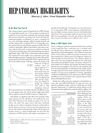
December 2004 in “Hepatology”
1 citations
,
December 2004 in “Hepatology” Tenofovir is more effective than adefovir for resistant hepatitis B, Fibroscan is good for assessing liver damage, regulatory T cells may help hepatitis C persist, and other insights into liver health and disease were found.
5 citations
,
May 2022 in “Lara D. Veeken” A rare genetic condition can mimic symptoms of other diseases, making diagnosis challenging.
3 citations
,
January 2011 in “生物医学研究杂志:英文版” A new mutation in the KRT86 gene causes monilethrix in a Han family.
 6 citations
,
May 1987 in “Acta dermato-venereologica”
6 citations
,
May 1987 in “Acta dermato-venereologica” Syphilis patients showed abnormal hair root changes, with no difference between primary and secondary stages.
 24 citations
,
November 2008 in “Arquivos Brasileiros de Endocrinologia & Metabologia”
24 citations
,
November 2008 in “Arquivos Brasileiros de Endocrinologia & Metabologia” Four patients with a type of rickets and hair loss had different mutations in their vitamin D receptor gene, causing it to not work properly.
The trichohyalin gene is located at chromosomal region 1q21 with other skin-related protein genes.
79 citations
,
March 2005 in “Journal of Medical Genetics” A mutation in the hHb3 gene is linked to the hair disorder monilethrix.
April 2023 in “Journal of Investigative Dermatology” Chronic graft-versus-host disease in the skin shows strong Th1 immune response and unique barrier issues.
 178 citations
,
October 2001 in “Genes & Development”
178 citations
,
October 2001 in “Genes & Development” The mutated hairless gene causes hair loss by acting as a new type of corepressor affecting thyroid hormone receptors.
1 citations
,
October 2000 in “Journal of Investigative Dermatology” The Thr1022Ala variant in the hairless gene is not a disease-causing mutation.