 14 citations
,
January 2006 in “Skin pharmacology and physiology”
14 citations
,
January 2006 in “Skin pharmacology and physiology” Procyanidin compounds from apples and barley promote hair growth and prevent hair cell death.
46 citations
,
December 1992 in “The Journal of Steroid Biochemistry and Molecular Biology” Affected males are born with ambiguous genitalia, raised as females, but develop male traits at puberty due to enzyme deficiency.
46 citations
,
August 2006 in “PubMed” A genetic defect causes males in some Mediterranean populations to be born with ambiguous genitalia and develop male traits at puberty.
 September 2019 in “The journal of investigative dermatology/Journal of investigative dermatology”
 Tet1/2/3 enzymes affect hair follicle cell development by influencing BMP signaling.
33 citations
,
October 2005 in “Journal of Investigative Dermatology” A specific gene mutation causes sparse, brittle hair in a family.
 10 citations
,
July 2022 in “Journal of Medicinal Chemistry”
10 citations
,
July 2022 in “Journal of Medicinal Chemistry” Adding a second method to PROTACs could improve cancer treatment.
 15 citations
,
February 1999 in “The anatomical record”
15 citations
,
February 1999 in “The anatomical record” Some mutant mice have hair with abnormal cross-linking, mainly in the cuticle, not affecting other hair parts.
28 citations
,
January 2016 in “RSC Advances” A non-toxic formula using polycarboxylic acids strengthens and improves hair.
 29 citations
,
December 2017 in “Molecular therapy”
29 citations
,
December 2017 in “Molecular therapy” Enzyme replacement therapy improved multiple symptoms of homocystinuria in mice.
11 citations
,
July 2023 in “Applied Nanoscience” 2 citations
,
April 2008 in “PubMed” A gene mutation causes monilethrix in a Chinese family.
January 2008 in “Memorial University Research Repository (Memorial University)” Pygopus 2 helps ovarian cancer cells grow by aiding ribosomal RNA production, independent of Wnt signaling.
43 citations
,
July 1994 in “Journal of Cell Science” Cross-linked proteins help maintain the structure of hair, feathers, and hagfish teeth.
Finding functions for unknown GPCRs is hard but key for making new drugs.
88 citations
,
March 2004 in “Journal of Investigative Dermatology”  10 citations
,
October 2016 in “Journal of Biomolecular NMR”
10 citations
,
October 2016 in “Journal of Biomolecular NMR” Solid-state NMR can effectively study keratin structure and treatment effects in fur.
May 2025 in “Dermatology Reports” A genetic mutation in the LIPH gene causes a rare hair disorder with sparse, curly hair.
 2 citations
,
October 2001 in “Analytical Sciences”
2 citations
,
October 2001 in “Analytical Sciences” A new compound that could treat various androgen-related conditions was created and analyzed.
12 citations
,
December 2011 in “Journal of Dermatological Science” The C-terminal tail of AHF/trichohyalin is essential for organizing keratin filaments in keratinocytes.
10 citations
,
August 2013 in “Experimental Dermatology” Hairless protein and putrescine regulate each other, affecting hair growth and skin balance.
30 citations
,
May 2020 in “Forensic Science International Genetics” The method improved hair analysis for better forensic identification.
12 citations
,
December 2011 63 citations
,
May 2015 in “PloS one” GALT5 and GALT2 are important for plant growth and development because they help with protein glycosylation.
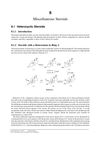
The document concludes that scientists created various steroids with different properties, including a more effective semi-synthetic vitamin D.
8 citations
,
January 2001 in “Methods in enzymology on CD-ROM/Methods in enzymology” Oligomeric procyanidins may help hair grow by affecting cell growth and the hair growth cycle.
November 2025 in “Advanced Healthcare Materials” Charge-conversion chemistry improves hair-rebonding by enhancing penetration and strength.
18 citations
,
February 1992 in “Molecular Biology Reports” A specific type II hair keratin was identified and found in hair cortex and tongue cells.
138 citations
,
December 1976 in “Journal of Biological Chemistry” The enzyme from human skin can cross-link proteins and needs calcium to work.
 April 2018 in “Journal of Investigative Dermatology”
 Stabilizing HIF1A in hair follicles increases glycolysis, which may help reduce oxidative stress and support hair growth.
January 2007 in “Journal of Inner Mongolia University” The research helps in creating genetically modified animals to study hair growth.