 22 citations
,
May 1999 in “International Journal of Dermatology”
22 citations
,
May 1999 in “International Journal of Dermatology” Hair loss from genetics and hormones can be treated with drugs or surgery.
 20 citations
,
October 2017 in “Clinical Endocrinology”
20 citations
,
October 2017 in “Clinical Endocrinology” The conclusion is that removing both ovaries is the best treatment for excess male hormones in postmenopausal women, with medication as another option, and managing insulin resistance is important for diagnosis and treatment.
 6 citations
,
February 2009 in “Veterinární Medicína”
6 citations
,
February 2009 in “Veterinární Medicína” Deslorelin effectively treats hair loss in neutered ferrets by reducing hormone levels.
 1 citations
,
May 2017 in “InTech eBooks”
1 citations
,
May 2017 in “InTech eBooks” Hair loss in Androgenetic alopecia (AGA) is due to altered cell sensitivity to hormones, not increased hormone levels. Hair growth periods shorten over time, causing hair to become thinner and shorter. This is linked to miscommunication between cell pathways in hair follicles. There's also a change in gene expression related to blood vessels and cell growth in balding hair follicles. The exact molecular causes of AGA are still unclear.
 44 citations
,
March 2012 in “Fitoterapia”
44 citations
,
March 2012 in “Fitoterapia” Germacrone from Curcuma aeruginosa may help treat conditions related to male hormones by blocking a specific enzyme.
 41 citations
,
November 2013 in “Experimental Dermatology”
41 citations
,
November 2013 in “Experimental Dermatology” Leptin, a hormone, is important for starting hair growth.
5 citations
,
July 2019 in “Research Square (Research Square)” Yak hair growth is influenced by genes and hormones, helping them adapt to alpine environments.
 3 citations
,
October 2019 in “Dermatologic Therapy”
3 citations
,
October 2019 in “Dermatologic Therapy” Hair loss in men is mainly caused by hormones and genes, and while current treatments can slow it down, they can't fully stop it.
 November 2025 in “Cureus”
 PCOS-related acne can be managed by targeting hormones and insulin resistance.
 March 2017 in “bioRxiv (Cold Spring Harbor Laboratory)”
 Plant root hair growth is controlled by the hormone auxin, which affects the production of certain oxygen-related molecules through a specific process.
 63 citations
,
August 2008 in “Journal of Cosmetic Dermatology”
63 citations
,
August 2008 in “Journal of Cosmetic Dermatology” Cuscuta reflexa extract may help treat hair loss caused by hormones.
 47 citations
,
August 2000 in “Endocrine Reviews”
47 citations
,
August 2000 in “Endocrine Reviews” The document concludes that more research is needed to understand excessive hair growth in women with normal hormone levels and regular ovulation.
 30 citations
,
June 2015 in “British Journal of Dermatology”
30 citations
,
June 2015 in “British Journal of Dermatology” Acne is common in women, often hormone-related, negatively affects quality of life, and requires various treatments.
 January 2024 in “Journal of Applied Pharmaceutical Science”
 Procyanidin B2 and leucopelargonidin from Saraca asoca may help treat PCOS by balancing hormones.
Plant roots respond to fungus smells by possibly using certain proteins and a plant hormone to change root growth, but more research is needed.
 153 citations
,
March 2017 in “Endocrine”
153 citations
,
March 2017 in “Endocrine” Male pattern baldness involves genetics, hormones, and needs better treatments.
 23 citations
,
December 2017 in “Scientific Reports”
23 citations
,
December 2017 in “Scientific Reports” ARL15 is important for fat cell development and the release of the hormone adiponectin.
 11 citations
,
December 2020 in “Notulae botanicae Horti Agrobotanici Cluj-Napoca”
11 citations
,
December 2020 in “Notulae botanicae Horti Agrobotanici Cluj-Napoca” Mycorrhizal fungi and shading improve tea plant growth and nutrient uptake by changing hormone levels and gene expression.
A stable sheep ovarian cell line was created for studying reproduction and hormones.
 15 citations
,
May 2020 in “BMC complementary medicine and therapies”
15 citations
,
May 2020 in “BMC complementary medicine and therapies” Polygonum multiflorum extract helps hair grow longer and fights the effects of hormones that cause hair loss.
 March 1998 in “Journal of dermatological science”
 Protease Nexin-1 is found in human hair growth cells and is affected by male hormones.
 101 citations
,
April 1994 in “Baillière's clinical endocrinology and metabolism”
101 citations
,
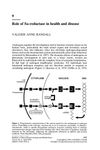
April 1994 in “Baillière's clinical endocrinology and metabolism” 5α-reductase is essential for male sexual development and its inhibitors have potential in treating various conditions related to hormone action.
 31 citations
,
January 1995 in “The American journal of medicine”
31 citations
,
January 1995 in “The American journal of medicine” Testosterone and dihydrotestosterone play a role in women's health issues like excess hair and baldness, and treatments blocking these hormones may help.
 15 citations
,
July 2020 in “Dermatologic Therapy”
15 citations
,
July 2020 in “Dermatologic Therapy” FPHL is common in women, influenced by genetics and hormones, and can be treated with medications, laser therapy, or hair transplantation.
 11 citations
,
February 2016 in “Current Medicinal Chemistry”
11 citations
,
February 2016 in “Current Medicinal Chemistry” New treatments for prostate cancer and BPH show promise, including novel compounds that target hormone synthesis and response.
 11 citations
,
January 1995 in “Biomedicine & pharmacotherapy”
11 citations
,
January 1995 in “Biomedicine & pharmacotherapy” TURP is the best treatment for BPH, but some patients prefer medications like alpha-blockers and finasteride.
 6 citations
,
November 2010 in “International Journal of Andrology”
6 citations
,
November 2010 in “International Journal of Andrology” New oral testosterone formulations show potential for safer, effective hormone replacement in men with low testosterone.
 3 citations
,
November 2005 in “Women's health”
3 citations
,
November 2005 in “Women's health” Excessive body hair in women can be caused by various conditions and treated with medication like Diane® 35 or androgen blockers.
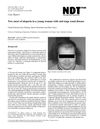
A young woman with kidney failure had hair loss due to a common hormonal disorder, which improved with hormone therapy.
 23 citations
,
February 2021 in “Journal of Endocrinological Investigation”
23 citations
,
February 2021 in “Journal of Endocrinological Investigation” Betacoronaviruses, like COVID-19, may cause hormone system dysfunction and affect disease susceptibility and severity.