103 citations
,
December 2021 in “Journal of biological rhythms” Shift work disrupts the body's natural clock, leading to health problems.
170 citations
,
January 2010 in “animal” Hair follicle growth and fiber production in animals are influenced by chemical signals, proteins, pigmentation, genetics, and nutrients.
 42 citations
,
August 2013 in “International Journal of Women's Health”
42 citations
,
August 2013 in “International Journal of Women's Health” Female pattern hair loss is caused by multiple factors and while treatments like topical minoxidil, hormone therapy, and low-level light therapy can help, none can fully cure it.
 19 citations
,
April 2014 in “Hormones”
19 citations
,
April 2014 in “Hormones” Hormones and genetics play key roles in male and female baldness, which can affect mental health and may be linked to other health issues.
12 citations
,
December 2020 in “Comprehensive psychoneuroendocrinology” Hormone levels in hair change during pregnancy, with progesterone increasing significantly compared to non-pregnant women.
 August 2023 in “Journal of Cosmetic Dermatology”
 Exosomes from hair papilla cells and the Chinese medicine Liao Tuo Fang can potentially promote hair growth and could be used to develop hair growth drugs.
 658 citations
,
June 2003 in “Endocrine reviews”
658 citations
,
June 2003 in “Endocrine reviews” Male hormones may play a role in the development of heart disease, and more research is needed to understand their effects.
 6 citations
,
July 2026 in “Zenodo (CERN European Organization for Nuclear Research)”
6 citations
,
July 2026 in “Zenodo (CERN European Organization for Nuclear Research)” Finasteride and dutasteride have limited use in feminising therapy and are not recommended for routine use.
6 citations
,
October 2022 in “International Journal of Molecular Sciences” Male mice with FGF5 mutations grow longer hair than females.
May 2024 in “Molecules/Molecules online/Molecules annual” Plant extracts can help prevent hair loss and promote hair growth.
 August 2022 in “Italian Journal of Animal Science/Italian journal of animal science”
 Field bean supplementation improved mohair growth and kid growth in Angora goats but didn't prevent weight loss after giving birth.
 January 2022 in “IntechOpen eBooks”
 Some lesser-known causes of PCOS include autoimmune issues, genetic mutations, and changes in the body's microbiome.
 21 citations
,
May 2022 in “Frontiers in Cell and Developmental Biology”
21 citations
,
May 2022 in “Frontiers in Cell and Developmental Biology” Hair growth and health are influenced by factors like age, environment, and nutrition, and are controlled by various molecular pathways. Red light can promote hair growth, and understanding these processes can help treat hair-related diseases.
 17 citations
,
December 2004 in “The Journal of Men's Health & Gender”
17 citations
,
December 2004 in “The Journal of Men's Health & Gender” Male pattern baldness involves hormone-related hair thinning, shorter hair, and inflammation.
 4 citations
,
October 2014 in “Springer eBooks”
4 citations
,
October 2014 in “Springer eBooks” Ethylene and auxin hormones interact in complex ways that are essential for plant growth and development.
 July 2023 in “International Journal of Endocrinology”
 Centratherum anthelminticum seed extract effectively treats Polycystic Ovary Syndrome in rats.
 50 citations
,
July 2014 in “International Journal of Clinical Pharmacology and Therapeutics”
50 citations
,
July 2014 in “International Journal of Clinical Pharmacology and Therapeutics” New finasteride solution effectively reduces baldness-causing hormone, potentially with fewer side effects.
5 citations
,
July 2019 in “Research Square (Research Square)” Yak hair growth is influenced by genes and hormones, helping them adapt to alpine environments.
 22 citations
,
May 1999 in “International Journal of Dermatology”
22 citations
,
May 1999 in “International Journal of Dermatology” Hair loss from genetics and hormones can be treated with drugs or surgery.
 103 citations
,
June 2007 in “Endocrinology and Metabolism Clinics of North America”
103 citations
,
June 2007 in “Endocrinology and Metabolism Clinics of North America” Male pattern hair loss is genetic and influenced by hormones, with treatments like minoxidil and surgery available.
 51 citations
,
January 2004 in “Domestic animal endocrinology”
51 citations
,
January 2004 in “Domestic animal endocrinology” Melatonin implants and long daylight hours alter the timing of hormone release and hair growth in mouflon sheep.
 12 citations
,
February 2016 in “Biochemical and Biophysical Research Communications”
12 citations
,
February 2016 in “Biochemical and Biophysical Research Communications” Sulforaphane may help with hair growth by breaking down a hormone that causes hair loss.
 5 citations
,
July 2000 in “Southern Medical Journal”
5 citations
,
July 2000 in “Southern Medical Journal” Male pattern baldness is often genetic and linked to a hormone, with treatments like finasteride and minoxidil being effective for some men.
 18 citations
,
September 2011 in “Livestock science”
18 citations
,
September 2011 in “Livestock science” Maternal Nano-Se supplements improve fetal hair follicle development in cashmere goats.
 14 citations
,
December 2003 in “Medical Hypotheses”
14 citations
,
December 2003 in “Medical Hypotheses” Male-pattern baldness might be caused by the effect of hormones on scalp blood vessels.
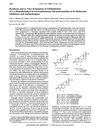 12 citations
,
April 1995 in “Journal of Medicinal Chemistry”
12 citations
,
April 1995 in “Journal of Medicinal Chemistry” The new compounds moderately block a specific enzyme and strongly counteract a male hormone, suggesting potential for treating certain male-related health conditions.
 11 citations
,
December 2020 in “Notulae botanicae Horti Agrobotanici Cluj-Napoca”
11 citations
,
December 2020 in “Notulae botanicae Horti Agrobotanici Cluj-Napoca” Mycorrhizal fungi and shading improve tea plant growth and nutrient uptake by changing hormone levels and gene expression.
 1 citations
,
May 2017 in “InTech eBooks”
1 citations
,
May 2017 in “InTech eBooks” Hair loss in Androgenetic alopecia (AGA) is due to altered cell sensitivity to hormones, not increased hormone levels. Hair growth periods shorten over time, causing hair to become thinner and shorter. This is linked to miscommunication between cell pathways in hair follicles. There's also a change in gene expression related to blood vessels and cell growth in balding hair follicles. The exact molecular causes of AGA are still unclear.
 June 2023 in “Livestock studies”
 The article concludes that understanding the molecular processes in hair follicle development can improve the quality of fibers like Angora and cashmere.
 September 2020 in “Research Square (Research Square)”
 Researchers found that certain RNA sequences play a role in yak hair growth and these sequences are somewhat similar to those in cashmere goats.