65 citations
,
December 1986 in “The Journal of Clinical Endocrinology & Metabolism” The woman had a genetic condition causing high cortisol and androgen levels, treatable with dexamethasone.
Hirsutism, often caused by PCOS, is treated with medication and weight loss is important for obese women with PCOS.
 2 citations
,
September 2002 in “Journal of Endocrinological Investigation”
2 citations
,
September 2002 in “Journal of Endocrinological Investigation” The GH-IGF-I axis is likely involved in the hormonal imbalances seen in non-obese women with functional hyperandrogenism.
44 citations
,
June 2017 in “The EMBO Journal” LPA3 signaling in the uterus is crucial for placental formation and fetal development.
 52 citations
,
June 1999 in “Endocrinology and Metabolism Clinics of North America”
52 citations
,
June 1999 in “Endocrinology and Metabolism Clinics of North America” Antiandrogen treatments combined with oral contraceptives can help manage hair growth and hair loss in women with PCOS.
 197 citations
,
January 2019 in “Neuropsychopharmacology”
197 citations
,
January 2019 in “Neuropsychopharmacology” Male and female bodies respond differently to stress, influenced by hormones and development stages, with implications for stress-related diseases.
12 citations
,
December 2016 in “PubMed” Hirsutism involves excessive hair growth due to hormonal issues and can be treated with medication or surgery.
15 citations
,
May 2021 in “Climacteric” Postmenopausal hyperandrogenism involves excess male hormones causing symptoms like hair growth and acne, and requires ruling out tumors and other disorders.
 150 citations
,
February 2008 in “The Journal of clinical endocrinology and metabolism/Journal of clinical endocrinology & metabolism”
150 citations
,
February 2008 in “The Journal of clinical endocrinology and metabolism/Journal of clinical endocrinology & metabolism” Antiandrogens are somewhat effective in reducing excessive hair growth in women.
 105 citations
,
January 2009 in “Medicine”
105 citations
,
January 2009 in “Medicine” Hirsutism is more linked to high androgen levels than acne or hair loss, and a mix of hormonal tests is best for diagnosis; certain treatments can reduce symptoms.
January 2014 in “edoc (University of Basel)” Anabolic steroids and inflammation can disrupt androgen metabolism, potentially causing health issues.
269 citations
,
May 2002 in “Hormones and Behavior” Lowering 3α,5α-THP in the hippocampus increases anxiety and depression in proestrous rats.
 57 citations
,
January 1995 in “The American journal of medicine”
57 citations
,
January 1995 in “The American journal of medicine” Oral contraceptives help treat hyperandrogenic disorders, improving symptoms like excessive hair and acne.
3 citations
,
December 2024 in “EClinicalMedicine” Anti-androgens are not better than birth control pills for PCOS, but can help with excess hair if pills don't work.
 1 citations
,
July 2015 in “AACE clinical case reports”
1 citations
,
July 2015 in “AACE clinical case reports” Removing both ovaries treated the woman's excess male hormone symptoms.
 43 citations
,
May 1986 in “Clinics in Endocrinology and Metabolism”
43 citations
,
May 1986 in “Clinics in Endocrinology and Metabolism” Cyproterone acetate is effective for treating hirsutism and acne but less so for hair loss, with side effects similar to birth control pills.
2 citations
,
January 2014 in “Journal of Integrated Health Sciences” Obesity is strongly linked to the severity of hirsutism in women.
 69 citations
,
December 2005 in “Nature Clinical Practice Endocrinology & Metabolism”
69 citations
,
December 2005 in “Nature Clinical Practice Endocrinology & Metabolism” Blocking the enzyme 11β-HSD1 might help treat obesity and metabolic issues.
23 citations
,
June 1997 in “Baillière's clinical obstetrics and gynaecology” Most women with too much androgens have PCOS, which can be managed with birth control pills, medication for hair growth, and fertility treatments, and losing weight helps too.
April 2025 in “The Obstetrician & Gynaecologist” Hirsutism is managed by assessing testosterone levels and using oral contraceptives, with ethical considerations on treatment access.
 January 2015 in “International Journal of Research in Medical Sciences”
 A patient with HAIR-AN syndrome, PCOS, and Hashimoto's thyroiditis improved with early diagnosis and treatment to prevent serious health problems.
53 citations
,
January 1985 in “Acta obstetricia et gynecologica Scandinavica” Low-dose oral contraceptives reduced hair growth and testosterone levels in women with polycystic ovary syndrome.
 1 citations
,
August 2012 in “Journal der Deutschen Dermatologischen Gesellschaft”
1 citations
,
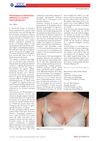
August 2012 in “Journal der Deutschen Dermatologischen Gesellschaft” A woman's hyperandrogenism was caused by a genetic mutation leading to non-classic adrenogenital syndrome.
Oral contraceptives and antiandrogens are the best treatments for hirsutism.
 19 citations
,
March 2008 in “Nature clinical practice endocrinology & metabolism”
19 citations
,
March 2008 in “Nature clinical practice endocrinology & metabolism” A combined drug and laser treatment improved hirsutism in a PCOS patient, also enhancing her heart health and requiring regular liver and kidney checks.
 April 2023 in “Journal of Investigative Dermatology”
 Cyclosporin A, a drug, reduces TGF-β2 expression in skin cells, potentially causing excessive hair growth through a process involving the calcineurin/NFAT pathway.
May 2021 in “Journal of the Endocrine Society” Adolescents with PCOS have higher levels of certain androgens, which are linked to hair growth but don't help diagnose PCOS better than testosterone levels.
4 citations
,
June 1990 in “Postgraduate medicine” Medication can effectively reduce hair growth and improve life quality for women with hirsutism.
 October 2023 in “Journal of the Endocrine Society”
 A woman's excessive hair growth was linked to a rare case of high testosterone caused by a prolactin-producing pituitary tumor.
 October 2023 in “Journal of the Endocrine Society”
 A woman's cyclic Cushing syndrome was caused by a tumor in her adrenal gland that produced ACTH.