January 2023 in “Figshare” Quality of life, overall survival, and progression-free survival should be equally prioritized in advanced breast cancer treatment decisions.
The balance between cell renewal and differentiation controls the growth of cancerous cells in mouse skin.
 November 2022 in “Journal of the Endocrine Society”
 A woman's masculine symptoms were caused by a rare tumor in her left ovary, which was found using a special blood test.
 5 citations
,
November 2001 in “PubMed”
5 citations
,
November 2001 in “PubMed” An 80-year-old woman's severe hair loss was caused by a hormone-secreting ovarian tumor.
July 2016 in “Cancer research” Mutant cells in hair follicles are influenced by their location and interactions with surrounding cells.
 October 2023 in “Journal of the Endocrine Society”
 A woman's excessive hair growth was linked to a rare case of high testosterone caused by a prolactin-producing pituitary tumor.
April 2020 in “Journal of the Endocrine Society” Taking thyroid medication reduced the patient's pituitary gland swelling and improved her symptoms.
 October 2024 in “Journal of the Endocrine Society”
 ACTH-dependent Cushing's syndrome linked to metastatic cervical cancer is rare and has high risks.
 2 citations
,
February 2023 in “Transgenic Research”
2 citations
,
February 2023 in “Transgenic Research” The E2 protein affects gene activity in hair follicles of mice.
Doctors recommend postoperative radiation for male breast cancer, advise against testosterone for vasomotor symptoms post-adrenalectomy, suggest non-hormonal treatments for atrophic vaginitis after mastectomy, note no specific treatment for anticoagulant-induced hair loss, and call for more research on silicosis from silicon carbide exposure.
9 citations
,
December 2009 in “Cancer Research” Both vaginal testosterone cream and Estring effectively manage vaginal dryness in women with early-stage breast cancer on aromatase inhibitors.
224 citations
,
February 2013 in “The Journal of clinical investigation/The journal of clinical investigation” ERG increases SOX9, promoting prostate cancer growth and invasion.
 50 citations
,
January 2016 in “The FEBS journal”
50 citations
,
January 2016 in “The FEBS journal” RANK is a key target in breast cancer treatment due to its role in tumor growth and bone metastasis.
 36 citations
,
May 2011 in “The Journal of Clinical Endocrinology & Metabolism”
36 citations
,
May 2011 in “The Journal of Clinical Endocrinology & Metabolism” Treatment with a hormone agonist can reduce excess male hormones in postmenopausal women without surgery.
October 2025 in “Journal of the Endocrine Society” Goserelin injections can effectively manage hyperandrogenism symptoms in postmenopausal women who can't have surgery.
3 citations
,
April 2019 in “Stem cells international” Markers CRABP1, Nestin, and Ephrin B2 are present in skin cancer environments and may influence their development.
 June 2023 in “British Journal of Dermatology”
 Coinheritance of BRCA2 and CYLD genes may lead to new treatment options for certain cancers.
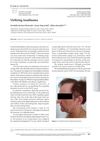 August 2025 in “Endokrynologia Polska”
 A rare pancreatic tumor caused a woman's male-like features, treated successfully with surgery and medication.
December 2025 in “Clinical and Translational Science” EGFR inhibitors in breast cancer treatment can cause serious skin issues affecting patient quality of life.
 12 citations
,
May 2005 in “Current obstetrics and gynaecology/Current obstetrics & gynaecology”
12 citations
,
May 2005 in “Current obstetrics and gynaecology/Current obstetrics & gynaecology” Hirsutism is too much hair growth in women like the pattern in men, often caused by high male hormones, and can be treated with hormone control and hair removal methods.
 19 citations
,
October 1994 in “Tumori Journal”
19 citations
,
October 1994 in “Tumori Journal” As of 1994, treatments for liver cancer had not significantly improved patient survival.
52 citations
,
December 2020 in “Frontiers in Oncology” Chinese herbal medicine might help reduce chemotherapy side effects in breast cancer patients, but more high-quality research is needed.
October 2025 in “Journal of the Endocrine Society” Leydig cell tumors in the ovary can cause high testosterone and male traits in postmenopausal women but are treatable with surgery.
2 citations
,
October 2023 in “Cancer Reports” Mitochondrial features can predict colorectal cancer outcomes and improve immunotherapy.
 195 citations
,
May 2003 in “Obstetrics and gynecology (New York. 1953. Online)/Obstetrics and gynecology”
195 citations
,
May 2003 in “Obstetrics and gynecology (New York. 1953. Online)/Obstetrics and gynecology” Most women with excess hair growth have an underlying hormonal issue, often treated with medication and hair removal methods.
May 2025 in “Journal of the ASEAN Federation of Endocrine Societies” Thorough evaluation is crucial for postmenopausal women with virilization to detect rare ovarian tumors.
March 2026 in “The Journal of Sexual Medicine” Hormone therapy can improve sexual health and quality of life for women 70 and older.
 7 citations
,
May 2016 in “SpringerPlus”
7 citations
,
May 2016 in “SpringerPlus” Some breast cancer patients on hormone therapy experience hair loss, and treatments like certain topical inhibitors and supplements may help without harming their cancer prognosis.
 May 2006 in “Women's Health Medicine”
 Excessive hair growth in women, often from high androgen levels, is usually caused by PCOS, and can be treated with hair removal, medication, and possibly weight loss.
 9 citations
,
April 2018 in “JAMA Dermatology”
9 citations
,
April 2018 in “JAMA Dermatology” Topical minoxidil improves hair loss in 80% of women with breast cancer undergoing endocrine therapy.