 September 2024 in “Journal of Education Health and Sport”
 PRP therapy can help regrow hair and improve hair thickness.
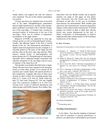 January 1999 in “Journal of the European Academy of Dermatology and Venereology”
 RAPK is a rare skin disorder with pigmented spots, mainly on hands and feet, starting in youth.
 56 citations
,
November 1993 in “Journal of The American Academy of Dermatology”
56 citations
,
November 1993 in “Journal of The American Academy of Dermatology” Capsaicin cream quickly relieved itching in two patients with brachioradial pruritus.
 10 citations
,
February 2013 in “British Journal of Dermatology”
10 citations
,
February 2013 in “British Journal of Dermatology” Thyrotropin-releasing hormone may help control skin and hair growth and could aid in treating related disorders.
12 citations
,
January 2021 in “Springer eBooks” 112 citations
,
August 2012 in “The American Journal of Human Genetics” Mutations in the RBPJ gene cause Adams-Oliver Syndrome.
 May 2020 in “Research Square (Research Square)”
 Stress hormone CRF causes hair loss and inhibits hair growth in human cells.
 3 citations
,
February 2016 in “Pediatric dermatology”
3 citations
,
February 2016 in “Pediatric dermatology” Strong skin creams work well for long-term scalp inflammation in Rapp-Hodgkin Ectodermal Dysplasia.
94 citations
,
July 1991 in “Clinical endocrinology” Cyproterone acetate at 2mg daily is as effective as higher doses for treating excessive hair growth in women.
December 2021 in “International Journal of Research in Dermatology” PRP shows promise for treating hair loss but needs standardized methods to confirm its effectiveness.

Proretinal nanoparticles are a safe and effective way to deliver retinal to the skin.
 January 2014 in “DOAJ (DOAJ: Directory of Open Access Journals)”
 Platelet rich plasma may be beneficial for treating hair loss.
 August 2024 in “Quality in Sport”
 PRP helps with skin, hair, and wound treatments but needs more research for standard use.
2 citations
,
January 2023 in “Uro” UHP-sCESr is as effective as HESr for treating BPH symptoms.
October 2025 in “Skin Health and Disease” Photothermal conditioning of PRP shows promise for improving hair growth but needs more research for confirmation.
 9 citations
,
March 2022 in “Terapevticheskii arkhiv”
9 citations
,
March 2022 in “Terapevticheskii arkhiv” Human placenta hydrolysates help treat various diseases and aid healing.
5 citations
,
July 2017 in “International journal of endocrinology and metabolism/International journal of endocrinology and metabolism.” Two siblings with a genetic mutation had a form of rickets that doesn't respond to vitamin D.
216 citations
,
June 2015 in “PLANT PHYSIOLOGY” OsPHR3 can help breed rice that efficiently uses phosphate without growth issues.
11 citations
,
November 2002 in “Dermatologic Surgery” IPL can cause unexpected hair growth in nearby untreated areas.
478 citations
,
September 1996 in “Proceedings of the National Academy of Sciences” Overexpression of PTHrP in chondrocytes causes short-limbed dwarfism and delayed bone formation in mice.
2 citations
,
October 2021 in “Experimental Cell Research” Injectable platelet-rich fibrin helps hair growth by boosting key cell functions.

PTHrP is important for bone formation and may be targeted for osteoporosis treatment and longevity therapies.
January 2023 in “Zenodo (CERN European Organization for Nuclear Research)” A new accurate and reliable method was developed to measure Spironolactone and Hydrochlorothiazide together in medicines.
96 citations
,
October 1987 in “The Journal of Clinical Endocrinology & Metabolism” Chronic GnRHa treatment can help manage endometrial hyperplasia and reduce ovarian androgen excess in PCO patients.
 January 2017 in “Hair transplant forum international”
 Platelet-rich plasma (PRP) treatments are not effective.
 1 citations
,
November 2022 in “Journal of Dermatological Treatment”
1 citations
,
November 2022 in “Journal of Dermatological Treatment” Platelet-rich plasma can increase hair density and may help treat some skin conditions, but it's costly, not FDA-approved, and needs more research.
 7 citations
,
December 2016 in “Journal of The Taiwan Institute of Chemical Engineers”
7 citations
,
December 2016 in “Journal of The Taiwan Institute of Chemical Engineers” Pig blood plasma can be used to promote human hair growth and is a good alternative to the commonly used serum additive.
January 2026 in “Journal of Advances in Medicine and Medical Research” Adding Platelet-Rich Plasma to hair implantation improves hair growth and graft survival.
 1 citations
,
August 2023 in “Biomolecules & therapeutics”
1 citations
,
August 2023 in “Biomolecules & therapeutics” HAPLN1 can promote hair growth and may help treat hair loss.