8 citations
,
August 2014 in “Biochemical and Biophysical Research Communications” ODC overexpression in hair cells increases tumor growth by reducing Notch signaling.
 7 citations
,
July 2005 in “Journal of Dermatological Science”
7 citations
,
July 2005 in “Journal of Dermatological Science” The gene URB is more active in human hair growth cells and responds to a hair-related hormone.
September 2017 in “Journal of Investigative Dermatology” Loss of COL17A1 causes hair follicle stem cells to age and leads to hair loss.
2 citations
,
March 2016 in “Serbian Journal of Dermatology and Venerology” A six-year-old boy with excessive hair growth and other symptoms may have a genetic link on chromosome 17q, requiring regular medical follow-ups.
 4 citations
,
May 2021 in “The journal of investigative dermatology/Journal of investigative dermatology”
4 citations
,
May 2021 in “The journal of investigative dermatology/Journal of investigative dermatology” ELL is crucial for gene transcription related to skin cell growth.
2 citations
,
May 2011 in “Pigment Cell & Melanoma Research” Collagen XVII is crucial for preventing hair and pigmentation loss by maintaining melanocyte stem cells.
 417 citations
,
September 2005 in “PLoS biology”
417 citations
,
September 2005 in “PLoS biology” Understanding gene expression in hair follicles can reveal insights into hair growth and disorders.
June 2020 in “Zenodo (CERN European Organization for Nuclear Research)” The DNMT3B -579G>T polymorphism may increase the risk of colorectal cancer.
24 citations
,
September 2019 in “Experimental cell research” BMP2 helps hair follicle stem cells become specialized by increasing PTEN, which causes autophagy.
 23 citations
,
January 2020 in “Frontiers in Pharmacology”
23 citations
,
January 2020 in “Frontiers in Pharmacology” Dihydrotestosterone affects hair growth by changing the Wnt/β-catenin pathway, with low levels helping and high levels hindering growth.
10 citations
,
September 2021 in “American Journal of Medical Genetics Part A” Woodhouse-Sakati syndrome shows varied symptoms, including hair loss and diabetes, and is common in Qatar due to a specific genetic variant.
1 citations
,
May 2004 in “Biochemical and Biophysical Research Communications” Two new gene clusters important for hair formation were found on human chromosome 11.
August 2024 in “American Journal of Medical Genetics Part A” Variants in the CCDC47 gene are linked to trichohepatoneurodevelopmental syndrome.
26 citations
,
January 1992 in “Carcinogenesis” TPA strongly increases ODC activity in certain skin cells, potentially aiding tumor growth.
52 citations
,
June 1991 in “Journal of Virology” The hamster polyomavirus middle T antigen is linked to tumors in hamsters and associates with a specific tyrosine kinase.
 6 citations
,
May 2013 in “PloS one”
6 citations
,
May 2013 in “PloS one” The Foxn1(-/-) nude mouse shows disrupted and expanded skin stem cell areas due to high Lhx2 levels.
 3 citations
,
September 2019 in “Clinical and experimental dermatology”
3 citations
,
September 2019 in “Clinical and experimental dermatology” Basal cell carcinomas may differentiate similarly to hair follicles and could be influenced by hair cycle-related treatments.
 9 citations
,
May 2019 in “Experimental Cell Research”
9 citations
,
May 2019 in “Experimental Cell Research” HPV genes and estradiol increase a cancer-related signaling pathway, which may be targeted for cervical cancer treatment.
12 citations
,
September 2014 in “Bone” A vitamin D receptor mutation causes rickets and affects immune responses.
 November 2022 in “The journal of investigative dermatology/Journal of investigative dermatology”
 The research identified specific genes that are active in the cells crucial for hair growth.
August 2022 in “Biomedicines” Turning off the Lhx2 gene in mouse embryos leads to slower wound healing and scars.
 26 citations
,
February 1998 in “Chemico-Biological Interactions”
26 citations
,
February 1998 in “Chemico-Biological Interactions” Scientists identified three genes important for processing certain brain chemicals, thyroid hormones, and medications.
 January 2024 in “Wiadomości Lekarskie”
 Low-penetration genes might help personalize colorectal cancer prevention.
 7 citations
,
March 2021 in “Molecular Medicine Reports”
7 citations
,
March 2021 in “Molecular Medicine Reports” A mix of specific inhibitors and a growth factor helps keep hair growth cells from losing their properties in the lab.
3 citations
,
September 2013 in “Journal of the American Academy of Dermatology” A new genetic mutation linked to Hutchinson-Gilford progeria syndrome was found in China.
 6 citations
,
March 2020 in “Scientific reports”
6 citations
,
March 2020 in “Scientific reports” Hair growth genes work better with more glucose due to changes in gene-regulating markers.
64 citations
,
May 2015 in “Cell Cycle” Hair follicle stem cells can become heart muscle cells.
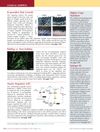 July 2016 in “Journal of Investigative Dermatology”
 R-spondin2 may help treat hair loss, gene differences could explain baldness, a peptide's regulation is linked to psoriasis, B-defensin gene copies may affect a skin condition's risk and severity, and potential markers and targets for alopecia areata were identified.
 6 citations
,
September 2024 in “Frontiers in Physiology”
6 citations
,
September 2024 in “Frontiers in Physiology” Overexpression of R-spondin 3 leads to sparse hair and impaired hair regeneration.
 1 citations
,
December 2023 in “Curēus”
1 citations
,
December 2023 in “Curēus” Most children with a common hemochromatosis genotype had elevated iron levels but no severe symptoms.