 August 2023 in “Sabuncuoglu Serefeddin Health Sciences”
 CT60 polymorphism might increase the risk of Alopecia Areata.
 4 citations
,
September 2020 in “Cell division”
4 citations
,
September 2020 in “Cell division” XMU-MP-1 stops cell growth in a human mini-organ and reduces the effectiveness of the chemotherapy drug paclitaxel.
 26 citations
,
August 2019 in “Stem Cell Research & Therapy”
26 citations
,
August 2019 in “Stem Cell Research & Therapy” PBX1 helps hair stem cells grow and change by turning on certain cell signals and preventing cell death, which may be useful for hair regrowth treatments.
June 2026 in “Strathprints: The University of Strathclyde institutional repository (University of Strathclyde)” Topical IKKα inhibitors may help prevent CCS tumours.
 7 citations
,
May 2019 in “Journal of the Formosan Medical Association”
7 citations
,
May 2019 in “Journal of the Formosan Medical Association” HSD3B1 gene variant and being overweight linked to hair loss in women with polycystic ovary syndrome.
September 2019 in “The journal of investigative dermatology/Journal of investigative dermatology” A new mutation in the STING protein causes a disease with lupus-like symptoms and responds well to a specific inhibitor treatment.
 4 citations
,
December 2020 in “Mammalian genome”
4 citations
,
December 2020 in “Mammalian genome” Harlequin mutant mice have hair loss due to low AIF protein levels and retroviral element activity.
40 citations
,
April 1999 in “Journal of Histochemistry & Cytochemistry” S100A3 protein is mainly found in specific parts of human hair cells.
Defective protein folding due to a mutation is key in ANE syndrome.
 December 2020 in “bioRxiv (Cold Spring Harbor Laboratory)”
 Stress can cause a type of hair loss in mice lacking the CCHCR1 gene.
18 citations
,
February 2006 in “Genomics” A new genetic mutation in mice causes permanent hair loss and skin wrinkling.
January 2020 in “Columbia Academic Commons (Columbia University)” Certain genetic changes in the STX17 and KRT82 genes contribute to hair loss in alopecia areata.
10 citations
,
June 2021 in “Journal of Investigative Dermatology”  1 citations
,
August 2023 in “Biomolecules & therapeutics”
1 citations
,
August 2023 in “Biomolecules & therapeutics” HAPLN1 can promote hair growth and may help treat hair loss.
Deleting the MAD2L1 gene is tolerated in certain mouse cancer models.
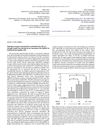 19 citations
,
September 2011 in “Journal of Dermatological Science”
19 citations
,
September 2011 in “Journal of Dermatological Science” TGF-β1 increases androgen receptor activity in hair loss, but Hic-5/ARA55 can counter this effect.
 March 2011 in “European Urology Supplements”
 Gene variation affects prostate issues and hair loss.
 October 2024 in “Journal of the Endocrine Society”
 Certain genetic variants reduce enzyme activity, contributing to non-classic congenital adrenal hyperplasia.
1 citations
,
February 2024 in “Journal of the European Academy of Dermatology and Venereology” Certain genetic factors may contribute to frontal fibrosing alopecia in Brazil.
1 citations
,
January 2022 in “Annals of Dermatology” A new mutation in the MBTPS2 gene causes a mild form of IFAP syndrome.

mEphA1 receptor tyrosine kinase is important for skin and hair development and may play a role in certain diseases.
May 2025 in “Acta Dermato Venereologica” The Paxbp1 gene is crucial for healthy hair follicles.
23 citations
,
July 2003 in “Journal of Investigative Dermatology” Genetic testing for hairless gene mutations is crucial to correctly diagnose and treat atrichia with papular lesions.
April 2016 in “The journal of investigative dermatology/Journal of investigative dermatology” Laminin-511 is involved in psoriasis development and can be regulated by cannabinoid receptor type 1.
9 citations
,
August 2023 in “Molecules” Two peptides, RMYYY and VMYMI, may be effective anti-inflammatory drugs.
37 citations
,
August 2011 in “Journal of Bone and Mineral Research” A girl had rickets due to a gene mutation affecting vitamin D response.
 1 citations
,
June 2022 in “Experimental dermatology”
1 citations
,
June 2022 in “Experimental dermatology” The SHJH hr mice with a mutated Hr gene show signs of faster skin aging due to poor antioxidative protection.
 24 citations
,
September 2005 in “Journal of Cellular Biochemistry”
24 citations
,
September 2005 in “Journal of Cellular Biochemistry” Retinoids increase steroid sulfatase activity in leukemia cells through RARα/RXR and involves certain pathways like phosphoinositide 3-kinase and ERK-MAP kinase.
January 2026 in “International Journal of Molecular Sciences” S100a4 is key for hair growth in cashmere goats.
 September 2024 in “Frontiers in Genetics”
 A specific genetic marker is linked to male pattern baldness in Han Chinese men.