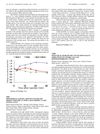
 April 2010 in “The Journal of Urology”
 Human prostate cells produce more WISP1/CCN4 when there's not enough oxygen.
January 2008 in “Padua Research Archive (University of Padua)” Hereditary factors affect acne duration, not severity, and late-onset acne in females has different causes.

Higher levels of heat shock protein 27 and lower levels of miR-1 can increase AR levels, leading to hair loss in men.
 45 citations
,
August 2010 in “Hormone Molecular Biology and Clinical Investigation”
45 citations
,
August 2010 in “Hormone Molecular Biology and Clinical Investigation” Type 3 5α-reductase is more common and finasteride and dutasteride strongly inhibit it.
 30 citations
,
April 2018 in “Experimental Dermatology”
30 citations
,
April 2018 in “Experimental Dermatology” The article concludes that developing in vitro models for human hair structures is important for research and reducing animal testing, but there are challenges like obtaining suitable samples and the models' limitations.
 22 citations
,
April 2015 in “Current problems in dermatology”
22 citations
,
April 2015 in “Current problems in dermatology” Human hair follicles have a unique metabolism that changes between growth stages and may contribute to baldness.
 December 2023 in “JCEM case reports”
 A new gene variant causes glucocorticoid resistance in a mother and son.
 November 2014 in “Elsevier eBooks”
 Gene mutations can cause problems in male genital development.
 121 citations
,
November 2020 in “Endocrine”
121 citations
,
November 2020 in “Endocrine” Male hormones like testosterone may make COVID-19 worse, and testing for sensitivity to these hormones could help predict how severe a patient's symptoms might be. Treatments that reduce these hormones are being explored.
 27 citations
,
January 1984 in “Pharmacology & Therapeutics”
27 citations
,
January 1984 in “Pharmacology & Therapeutics” Antiandrogens have important biological effects, but more research is needed to understand them fully and compare their effectiveness and side effects to other treatments.
 25 citations
,
January 2000 in “Hormone Research in Paediatrics”
25 citations
,
January 2000 in “Hormone Research in Paediatrics” Mutations in the androgen receptor gene cause Androgen Insensitivity Syndrome, affecting sexual development.
 24 citations
,
April 2014 in “Oncotarget”
24 citations
,
April 2014 in “Oncotarget” Minoxidil can reduce functions related to androgen receptors.
1 citations
,
January 2019 in “Journal of Research in Medical Sciences” Fewer GGC sequences in the androgen receptor gene improve finasteride treatment for hair loss.
 December 2010 in “Vestnik dermatologii i venerologii”
 Certain genes and X chromosome patterns may significantly contribute to the development of hair loss.
 May 2008 in “Hair transplant forum international”
 A genetic test can identify people at risk of male pattern baldness early, allowing for quicker treatment.
 13 citations
,
June 2007 in “Journal of Dermatological Science”
13 citations
,
June 2007 in “Journal of Dermatological Science” Researchers created a cell line to study hair growth and found specific genes affected by dihydrotestosterone.
 9 citations
,
January 1997 in “Gynecological Endocrinology”
9 citations
,
January 1997 in “Gynecological Endocrinology” The document concludes that treating androgen excess needs patience, managing expectations is important, and many drugs used are not officially approved, suggesting cosmetic options for mild cases.
August 2025 in “Therapeutics” Low-dose DMSO may help treat castration-resistant prostate cancer by reducing key cancer cell receptors.
 May 2024 in “Journal of molecular structure”
 A new compound, 3a, effectively fights prostate cancer better than finasteride.
224 citations
,
February 2013 in “The Journal of clinical investigation/The journal of clinical investigation” ERG increases SOX9, promoting prostate cancer growth and invasion.
 63 citations
,
December 2013 in “PLoS ONE”
63 citations
,
December 2013 in “PLoS ONE” Finasteride may reduce prostate cancer spread by lowering certain enzyme levels.
 49 citations
,
September 1986 in “British Journal of Dermatology”
49 citations
,
September 1986 in “British Journal of Dermatology” Hidradenitis suppurativa improves with antiandrogen therapy.
 45 citations
,
January 2012 in “The Journal of Steroid Biochemistry and Molecular Biology”
45 citations
,
January 2012 in “The Journal of Steroid Biochemistry and Molecular Biology” Too much AKR1C3 enzyme causes resistance to finasteride by increasing testosterone.
 37 citations
,
June 2011 in “Journal of Cellular Biochemistry”
37 citations
,
June 2011 in “Journal of Cellular Biochemistry” Androgen is important in controlling stem cell differentiation, reducing fat development, and increasing lean mass.
 26 citations
,
April 2007 in “Journal of pediatric gastroenterology and nutrition”
26 citations
,
April 2007 in “Journal of pediatric gastroenterology and nutrition” A teenage girl with high androgen levels and PCOS developed a rare liver tumor, suggesting a possible link between high androgens and the tumor's growth.
 22 citations
,
October 2011 in “Bone”
22 citations
,
October 2011 in “Bone” Androgens affect bone and fat cell development differently based on the cells' embryonic origin.
19 citations
,
March 2010 in “Steroids” Certain progesterone derivatives can inhibit enzymes and reduce androgenic activity, potentially affecting prostate growth.
15 citations
,
March 2015 in “PloS one” Scientists restored fertility in male mice lacking a key fertility gene by using a modified gene.
13 citations
,
February 2021 in “Brain Sciences” Androgens improve memory in adolescent male rats by acting on brain receptors.
 11 citations
,
August 2020 in “Diabetes”
11 citations
,
August 2020 in “Diabetes” Testosterone helps human pancreatic cells increase insulin release.