 19 citations
,
October 2017 in “The FASEB Journal”
19 citations
,
October 2017 in “The FASEB Journal” Male hormones cause different growth in identical human hair follicles due to their unique epigenetic characteristics.
 November 2013 in “Elsevier eBooks”
 Skin and hair renewal is maintained by both fast and slow cycling stem cells, with hair regrowth primarily driven by specific stem cells in the hair follicle bulge. These cells can also help heal wounds and potentially treat hair loss.
 8 citations
,
October 2020 in “Pharmaceutics”
8 citations
,
October 2020 in “Pharmaceutics” Dutasteride-loaded nanoparticles coated with Lauric Acid-Chitosan show promise for treating hair loss due to their controlled release, low toxicity, and potential to stimulate hair growth.
 June 2023 in “Stem cell reviews and reports”
 Stem cell therapies could be a promising alternative for hair loss treatment, but more research is needed to understand their full potential and safety.
 January 2024 in “Journal of tissue engineering”
 Sunlight exposure damages hair follicles, but certain stem cell-derived particles can reduce this damage and help with hair regeneration.
143 citations
,
May 2007 in “Proceedings of the National Academy of Sciences” Vitamin D receptor is crucial for normal hair growth and preventing hair loss.
 January 2024 in “Pharmacy information”
 New treatments using stem cells and other methods show promise for promoting hair growth in androgenetic alopecia.
133 citations
,
July 1994 in “Journal of Dermatological Science” Human hair growth can be influenced by certain growth factors and has specific metabolic needs.
 5 citations
,
February 2017 in “Biomolecules & Therapeutics”
5 citations
,
February 2017 in “Biomolecules & Therapeutics” 4-O-Methylhonokiol helps protect skin cells from growth-stopping effects of a protein by regulating growth-related pathways.
 July 2025 in “International Journal of Molecular Sciences”
 Blocking CXCL12 can reverse hair loss and fibrosis in androgenetic alopecia.
 3 citations
,
May 2008 in “Hair transplant forum international”
3 citations
,
May 2008 in “Hair transplant forum international” Common hair loss disorders may not need stem cell therapy, but could benefit from other treatments like hair cycle control and immune restoration therapy.
 July 2016 in “Journal of Investigative Dermatology”
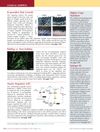
 R-spondin2 may help treat hair loss, gene differences could explain baldness, a peptide's regulation is linked to psoriasis, B-defensin gene copies may affect a skin condition's risk and severity, and potential markers and targets for alopecia areata were identified.
 February 2024 in “International Journal of Molecular Sciences”
 Hair loss in Androgenetic Alopecia is caused by genetics, aging, and lifestyle, leading to hair follicle shrinkage and related health risks.
 36 citations
,
June 2014 in “PLOS ONE”
36 citations
,
June 2014 in “PLOS ONE” Finasteride, a hair loss drug, may cause long-term sexual side effects due to changes in hormone receptor levels.
 March 2024 in “Journal of functional foods”
 Collagen peptides from marine and bovine sources may help prevent hair loss by affecting hair follicle stem cells differently.
16 citations
,
April 2021 in “Frontiers in Cell and Developmental Biology” New hair follicles could be created to treat hair loss.
 68 citations
,
March 1965 in “The BMJ”
68 citations
,
March 1965 in “The BMJ” Hormones and genetics affect hair growth and patterns, with some changes reversible and others not.
49 citations
,
January 1998 in “International Journal of Molecular Medicine” Lipid peroxides can cause early hair loss by damaging hair follicles.
 15 citations
,
August 2017 in “International Journal of Molecular Medicine”
15 citations
,
August 2017 in “International Journal of Molecular Medicine” Panax ginseng extract may help prevent hair loss caused by DKK-1.
 September 2013 in “Molecular Biology”
 The document suggests that activating autophagy might help with regeneration by removing old and damaged cells.
 January 2015 in “Springer eBooks”
 Hair health is influenced by genetics, aging, and environmental factors, with proper care needed to maintain it.
 5 citations
,
January 2019 in “Elsevier eBooks”
5 citations
,
January 2019 in “Elsevier eBooks” Current therapies cannot fully regenerate adult skin without scars; more research is needed for scar-free healing.
 1 citations
,
March 2021 in “Skin health and disease”
1 citations
,
March 2021 in “Skin health and disease” Better hair loss models needed for research.
 22 citations
,
August 2011 in “Journal of Supercritical Fluids”
22 citations
,
August 2011 in “Journal of Supercritical Fluids” Rice bran extract might help prevent hair loss.
 51 citations
,
July 2010 in “Trends in Endocrinology and Metabolism”
51 citations
,
July 2010 in “Trends in Endocrinology and Metabolism” Prolactin may play a significant role in skin and hair health and could be a target for treating skin and hair disorders.
 556 citations
,
September 2008 in “Genes & Development”
556 citations
,
September 2008 in “Genes & Development” Wnt signaling is vital for cell growth, development, and cancer research.
 4 citations
,
November 2011 in “Archives of Dermatology”
4 citations
,
November 2011 in “Archives of Dermatology” Hamilton scale imprecise, hair shaft diameter decreases, stem cell transplant regrows hair, ECP ineffective for alopecia areata universalis.
 37 citations
,
April 2011 in “Journal of Biological Chemistry”
37 citations
,
April 2011 in “Journal of Biological Chemistry” LEF1 interacts with Vitamin D Receptor, affecting hair follicle regeneration and this could be linked to hair loss conditions.
 August 2025 in “Journal of Investigative Dermatology”
 Elevated luteinizing hormone contributes to female-pattern hair loss, and blocking certain channels may help prevent it.
January 2022 in “Springer eBooks” Fibroblast growth factors are crucial for hair follicle development and regeneration.