 November 2023 in “The journal of investigative dermatology/Journal of investigative dermatology”
 Skin cells and certain hair follicle areas produce hemoglobin, which may help protect against oxidative stress like UV damage.
The natural compound VB-1, found in a Chinese herb, can promote hair growth by boosting cell activity in human skin cells.
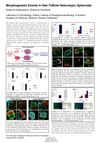
Researchers developed a method to create artificial hair follicles that may help with hair loss treatment and research.
January 2002 in “Journal of Clinical Dermatology” Minoxidil boosts hair growth at low doses but slows it at high doses.
 58 citations
,
October 2016 in “Journal of Investigative Dermatology”
58 citations
,
October 2016 in “Journal of Investigative Dermatology” Activating Nrf2 protects human hair follicles from oxidative stress and helps prevent hair growth inhibition.
December 2024 in “International Journal of Molecular Sciences” Targeting CXCL12 may help treat hair loss caused by androgens.
 83 citations
,
January 2015 in “World Journal of Stem Cells”
83 citations
,
January 2015 in “World Journal of Stem Cells” Hair follicle regeneration needs special conditions and young cells.
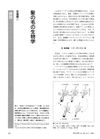 January 1998 in “KAGAKU TO SEIBUTSU”
 The document suggests that male hormones likely affect hair growth and baldness, and future treatments might involve stem cells and androgen-independent cells.
 4 citations
,
January 2021 in “Archives of dermatological research”
4 citations
,
January 2021 in “Archives of dermatological research” The study created a new model to better understand human hair growth and health.
 June 2023 in “Frontiers in Bioengineering and Biotechnology”
 The conclusion is that accurately replicating the complexity of the extracellular matrix in the lab is crucial for creating realistic human tissue models.
4 citations
,
March 2008 in “Korean Journal of Chemical Engineering” Mesenchymal cells can significantly boost human hair growth and longevity.
 39 citations
,
December 2011 in “PLoS ONE”
39 citations
,
December 2011 in “PLoS ONE” Radiofrequency exposure can stimulate hair growth by increasing IGF-1 in hair follicle cells.
 November 2022 in “Journal of Investigative Dermatology”
 Blocking mTORC1 activity could increase hair pigmentation and potentially reverse greying.
 July 2022 in “The journal of investigative dermatology/Journal of investigative dermatology”
 Blocking mTORC1 activity with rapamycin could help increase hair pigmentation and growth, potentially reversing gray hair.
January 2003 in “Journal of Clinical Dermatology” TNF-${\alpha}$ slows hair growth, and minoxidil doesn't help.
April 2016 in “Journal of Investigative Dermatology” CD73 may regulate hair growth and could be targeted for hair growth treatments.
 23 citations
,
January 2020 in “Frontiers in Pharmacology”
23 citations
,
January 2020 in “Frontiers in Pharmacology” Dihydrotestosterone affects hair growth by changing the Wnt/β-catenin pathway, with low levels helping and high levels hindering growth.
5 citations
,
March 1996 in “Archives of Dermatological Research” Certain cytokines and growth factors can stop hair growth and may play a role in alopecia areata.
February 2001 in “Chinese Journal of Dermatology” Epidermal growth factor (EGF) boosts the growth of hair follicle cells.
 July 2024 in “Journal of Investigative Dermatology”
 Propolis extract can promote hair growth and increase keratin production.
 35 citations
,
November 2019 in “Scientific Reports”
35 citations
,
November 2019 in “Scientific Reports” Shikimic acid promotes hair growth.
 1 citations
,
July 2022 in “Journal of dermatology”
1 citations
,
July 2022 in “Journal of dermatology” Disrupted citric acid metabolism stops hair growth.
Ganoderma Lucidum extract and ganoderic acid A can help prevent hair loss.
 July 2025 in “Scientific Reports”
 Serotonin helps hair grow by activating certain cells.
 88 citations
,
February 2011 in “Journal of Dermatological Science”
88 citations
,
February 2011 in “Journal of Dermatological Science” Minoxidil helps hair growth by activating the β-catenin pathway.
11 citations
,
July 2004 in “Journal of Investigative Dermatology” Certain tyrosine kinases may regulate hair growth and could help develop hair loss treatments.
7 citations
,
July 2021 in “The journal of investigative dermatology/Journal of investigative dermatology” Human skin can be reconnected to nerves using stem cells, which may help with skin health and healing.
 5 citations
,
October 2021 in “PubMed”
5 citations
,
October 2021 in “PubMed” Exosomes from human fat stem cells can potentially enhance hair growth and survival, providing a new possible treatment for hair loss.
 October 2023 in “bioRxiv (Cold Spring Harbor Laboratory)”
 Immune cells are essential for early hair and skin development and healing.
November 2022 in “Journal of Investigative Dermatology” Cell-based therapy using specific immune cells may help treat alopecia areata by promoting hair regrowth.