 June 2020 in “Journal of Investigative Dermatology”
 Scientists successfully grew mini hair follicles using human skin cells, which could help treat baldness.
 2 citations
,
September 2022 in “Organoid”
2 citations
,
September 2022 in “Organoid” A new method was developed to efficiently grow skin hair follicles from stem cells, potentially aiding alopecia treatment.
February 2026 in “ACS Biomaterials Science & Engineering” Human stem cells can help grow hair for regenerative medicine.
 January 2024 in “Journal of tissue engineering”
 Sunlight exposure damages hair follicles, but certain stem cell-derived particles can reduce this damage and help with hair regeneration.
 44 citations
,
June 2018 in “Journal of Cellular Physiology”
44 citations
,
June 2018 in “Journal of Cellular Physiology” Researchers developed a 3D model of human hair follicle cells that can help understand hair growth and test new hair loss treatments.
 February 2024 in “Biomedical materials”
 Scientists created a lab-grown hair follicle model that behaves like real hair and could improve hair loss treatment research.
 26 citations
,
January 2019 in “Experimental Dermatology”
26 citations
,
January 2019 in “Experimental Dermatology” Researchers created early-stage hair-like structures from skin cells, showing how these cells can self-organize, but more is needed for complete hair growth.
39 citations
,
March 2022 in “Nature Protocols” Scientists created hair-growing skin models from stem cells, which could help treat hair loss and skin diseases.
January 2026 in “Lab on a Chip” Organoids and hair-on-chip technologies show promise for hair regeneration but face clinical challenges.
1 citations
,
October 2025 in “Journal of Visualized Experiments” The method creates skin organoids with hair follicles for research on skin conditions and treatments.
 2 citations
,
January 2020 in “Methods in molecular biology”
2 citations
,
January 2020 in “Methods in molecular biology” Scientists created early-stage hair follicles from human skin cells, which could help treat baldness and study hair growth.
October 2022 in “Experimental Dermatology” New technologies show promise for better hair regeneration and treatments.
16 citations
,
November 2020 in “In Vitro Cellular & Developmental Biology - Animal” Microfollicles can effectively model human hair follicles for research and testing.
 1 citations
,
September 2019 in “Journal of Investigative Dermatology”
1 citations
,
September 2019 in “Journal of Investigative Dermatology” Human hair matrix cells and dermal papilla fibroblasts can form early hair follicle structures but don't produce hair shafts yet.
 8 citations
,
May 2021 in “Bioengineering & translational medicine”
8 citations
,
May 2021 in “Bioengineering & translational medicine” Hair growth environment recreated with challenges; stem cells make successful skin organoids.
 31 citations
,
January 2021 in “Experimental Dermatology”
31 citations
,
January 2021 in “Experimental Dermatology” Skin organoids are a promising new model for studying human skin development and testing treatments.
 1 citations
,
September 2023 in “The journal of investigative dermatology/Journal of investigative dermatology”
1 citations
,
September 2023 in “The journal of investigative dermatology/Journal of investigative dermatology” Skin organoids from stem cells can help study and treat skin issues but face some challenges.
 April 2023 in “The journal of investigative dermatology/Journal of investigative dermatology”
 Scientists created skin-like structures from stem cells that include features like hair and sweat glands.
 2 citations
,
December 2022 in “Journal of Biochemistry and Molecular Biology”
2 citations
,
December 2022 in “Journal of Biochemistry and Molecular Biology” Organoids created from stem cells are used to model diseases, test drugs, and develop personalized and regenerative medicine.
1 citations
,
July 2025 in “Stem Cell Research & Therapy” Stem cell technology may improve hair loss treatments by providing more effective and personalized options.
 August 2023 in “Military Medical Research”
 Scientists have improved 3D models of human skin for research and medical uses, but still face challenges in perfectly replicating real skin.
 October 2023 in “bioRxiv (Cold Spring Harbor Laboratory)”
 Immune cells are essential for early hair and skin development and healing.
 March 2025 in “Nature Communications”
 NSC167409 can effectively inhibit the virus causing hand, foot, and mouth disease.
 January 2022 in “Stem cell biology and regenerative medicine”
 New biofabrication technologies could lead to treatments for hair loss.
 10 citations
,
September 2022 in “Advanced Healthcare Materials”
10 citations
,
September 2022 in “Advanced Healthcare Materials” Current methods can't fully recreate skin and its features, and more research is needed for clinical use.
January 2022 in “Yokohama National University Repository (Yokohama National University)” Exosomes from dermal papilla cells may help treat hair loss by promoting hair growth.
9 citations
,
October 2024 in “Burns & Trauma” Air-liquid interface culture improves hair follicle development in skin organoids.
 August 2023 in “Scientific reports”
 Human stem cells were turned into cells similar to those that help grow hair and showed potential for hair follicle formation.
 28 citations
,
March 2019 in “Journal of Dermatological Science”
28 citations
,
March 2019 in “Journal of Dermatological Science” The document concludes that while lab results for hair growth promotion are promising, human trials are needed and better testing methods should be developed.
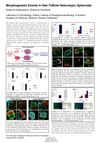
Researchers developed a method to create artificial hair follicles that may help with hair loss treatment and research.