7 citations
,
August 2021 in “Open Access Macedonian Journal of Medical Sciences” The VDR gene polymorphism does not affect BDNF levels in autoimmune thyroiditis and hypothyroidism patients.
82 citations
,
January 2011 in “New Phytologist” VILLIN4 helps root hair growth by organizing actin with calcium.
February 2026 in “Pediatric Dermatology” 1 citations
,
September 2024 in “Journal of the American Academy of Dermatology” Farudodstat may effectively treat alopecia areata without harmful side effects.
 2 citations
,
May 2019 in “Journal of the American Academy of Dermatology”
2 citations
,
May 2019 in “Journal of the American Academy of Dermatology” Facial hidradenitis suppurativa can be mistaken for acne but requires different treatment.
January 2009 in “OhioLink ETD Center (Ohio Library and Information Network)” p63 and p73 regulate the vitamin D receptor, affecting cancer cell behavior and vitamin D sensitivity.
46 citations
,
August 2006 in “PubMed” A genetic defect causes males in some Mediterranean populations to be born with ambiguous genitalia and develop male traits at puberty.
2 citations
,
January 2022 in “International journal of trichology” Eruptive vellus hair cysts are often missed in diagnoses.
2 citations
,
January 1990  288 citations
,
June 2009 in “Human reproduction update”
288 citations
,
June 2009 in “Human reproduction update” The modified Ferriman-Gallwey method is a useful tool for diagnosing hirsutism.
2 citations
,
June 2018 in “International Journal of Pharmacological Research” Hutchinson-Gilford Progeria Syndrome caused rapid aging due to a genetic mutation, with treatments to manage symptoms.
 April 2017 in “Journal of Investigative Dermatology”
 A boy with Oculodentodigital syndrome had a unique GJA1 gene mutation causing his symptoms.
36 citations
,
February 2017 in “Journal of Cellular and Molecular Medicine” VEGF165 helps hair follicle stem cells become blood vessel cells, aiding new blood vessel growth.
 34 citations
,
July 2009 in “Journal of Cell Science”
34 citations
,
July 2009 in “Journal of Cell Science” ΔNp63α helps control a protein that stops cancer cells from spreading.
 August 2020 in “Pakistan Journal of Zoology”
 A new mutation in the Hairless gene causes hair loss in two Pakistani families.
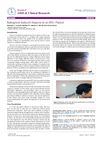 1 citations
,
November 2011 in “Journal of AIDS & Clinical Research”
1 citations
,
November 2011 in “Journal of AIDS & Clinical Research” Raltegravir may cause hair loss in some patients.
114 citations
,
June 2000 in “Endocrinology” Alopecia in VDR knockout mice is due to a defect in hair cycle initiation, not keratinocyte issues.
29 citations
,
June 2000 in “Endocrinology” Alopecia in VDR knockout mice is due to impaired hair cycle initiation, not keratinocyte issues.
June 2025 in “Basrah Journal of veterinary Research” Vaccination and hygiene are key to preventing Feline Calicivirus in cats.
29 citations
,
January 1996 in “The Journal of Clinical Endocrinology & Metabolism” A genetic mutation in a specific gene causes a salt-wasting condition in a Pakistani girl and her family.
9 citations
,
January 2015 in “Indian Dermatology Online Journal” Early diagnosis and treatment of Kaposi varicelliform eruption are crucial to prevent severe complications.
50 citations
,
February 2004 in “Genomics” A gene mutation causes lanceolate hair in rats by disrupting hair shaft integrity.
21 citations
,
March 2003 in “Clinical and Experimental Dermatology” Mutations in the hHb6 gene cause the hair disorder monilethrix.
 4 citations
,
November 2022 in “Frontiers in endocrinology”
4 citations
,
November 2022 in “Frontiers in endocrinology” The enzyme 5α-reductase type 1 is important for blood vessel development and fertility in the uterus.
 119 citations
,
October 2011 in “Journal of Veterinary Internal Medicine”
119 citations
,
October 2011 in “Journal of Veterinary Internal Medicine” Rhodococcus equi causes severe pneumonia in young foals, and effective vaccines are needed due to foals' weak immune responses.
 1 citations
,
January 2025 in “Frontiers in Oncology”
1 citations
,
January 2025 in “Frontiers in Oncology” REV7 is crucial for genome stability and cancer treatment, making it a potential target for therapy.
January 2026 in “Biomaterials” 35 citations
,
June 2011 in “British Journal of Dermatology” The DQB1*03 allele is linked to higher alopecia areata risk in Italians.
June 2023 in “Zenodo (CERN European Organization for Nuclear Research)” Hutchinson-Gilford Progeria Syndrome causes rapid aging due to a gene mutation, with no cure yet, but research may lead to better treatments.
137 citations
,
April 2001 in “Journal of Clinical Investigation” Alopecia in these mice is caused by defective hair cycle communication due to missing vitamin D receptor function, not vitamin D levels.