December 2022 in “Biochemical and Biophysical Research Communications” HtrA2 activity is crucial for normal hair growth by regulating fat cell development.
November 2022 in “Journal of Investigative Dermatology” Deleting MPZL3 increases skin oil production and reduces body fat.
 September 2023 in “Journal of the turkish academy of dermatology”
 Men with male pattern baldness had higher body fat and obesity-related measurements but similar heart fat and artery thickness compared to healthy men.
 14 citations
,
October 2018 in “PloS one”
14 citations
,
October 2018 in “PloS one” Deleting the Far2 gene in mice causes sebaceous gland issues and patchy hair loss.
4 citations
,
March 2021 in “Journal of Histotechnology” Hidradenitis suppurativa lesions have less collagen and elastin but more new blood vessels.
 December 2024 in “ACS Applied Materials & Interfaces”
 The new hydrogel helps heal diabetic wounds by reducing inflammation and improving tissue repair.
11 citations
,
January 2005 in “Brazilian Journal of Medical and Biological Research” Hairless USP mice have enlarged skin cysts as they age.
May 2018 in “Dermatologic Surgery” Hyaluronic acid injections can reduce gummy smiles by enhancing the upper lip.
 42 citations
,
May 2016 in “Annual Review of Cell and Developmental Biology”
42 citations
,
May 2016 in “Annual Review of Cell and Developmental Biology” Fat cells are important for tissue repair and stem cell support in various body parts.
 43 citations
,
June 2016 in “Clinics in Plastic Surgery”
43 citations
,
June 2016 in “Clinics in Plastic Surgery” The conclusion is that fat grafting is safe and effective but carries risks that need careful management.
6 citations
,
July 2004 in “JDDG Journal der Deutschen Dermatologischen Gesellschaft” Frontal fibrosing alopecia in postmenopausal women can be managed with early treatment using corticosteroids to stop hair loss.
January 2025 in “JAAD Case Reports” PLLA dermal fillers can cause hair loss, but it can be treated with steroids.
 April 2023 in “Journal of Investigative Dermatology”
 The study suggests fibrosing alopecia in a pattern distribution has distinct features and may vary by race.
 1 citations
,
September 2021 in “CRC Press eBooks”
1 citations
,
September 2021 in “CRC Press eBooks” Frontal Fibrosing Alopecia is a hair loss condition mainly affecting postmenopausal women, with unclear causes and various clinical patterns.
 January 2024 in “Revista Dermatológica Centro Uraga”
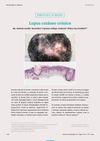
 The patient has Chronic Cutaneous Lupus, a skin condition causing plaques and hair loss.
 June 2023 in “British journal of dermatology/British journal of dermatology, Supplement”
 Two sisters with lipoedematous scalp suggest a genetic influence in the condition.
1 citations
,
June 2019 in “Gut” A 75-year-old man lost weight, hair, and nails due to severe stomach and intestine inflammation.
 April 2019 in “The journal of investigative dermatology/Journal of investigative dermatology”
 848 genes related to fat and metabolism are less active in people with Central Centrifugal Cicatricial Alopecia.
 October 2021 in “Journal of Investigative Dermatology”
 Skin cell strength decreases significantly as we age.
 218 citations
,
October 2013 in “Proceedings of the National Academy of Sciences of the United States of America”
218 citations
,
October 2013 in “Proceedings of the National Academy of Sciences of the United States of America” Mice lacking the PPARγ gene in their fat cells had almost no fat tissue, severe metabolic problems, and abnormal development of other fat-related tissues.
 33 citations
,
May 2019 in “Aesthetic Plastic Surgery”
33 citations
,
May 2019 in “Aesthetic Plastic Surgery” Using hyaluronic acid fillers and laser together is generally safe and effective for facial rejuvenation, but careful planning is needed.
 January 2024 in “Archives of pathology & laboratory medicine”
 New findings may help diagnose and understand scarring alopecia better.
March 2021 in “Faculty Opinions – Post-Publication Peer Review of the Biomedical Literature” Fat tissue around hair follicles releases a growth factor that helps hair grow and develop color.
14 citations
,
October 2010 in “Dermatologic Surgery” Fat transplantation can help regrow hair lost due to scleroderma.
July 2023 in “Journal of personalized medicine” Injecting a person's own fat stem cells into their skin can make it look younger and improve double eyelids for over a year.
1 citations
,
June 2015 in “Experimental Dermatology” Fat may help skin health and repair, but more research is needed.
6 citations
,
January 1967 in “Journal of Small Animal Practice” Old dogs' skin thins, loses hair, and may darken, but doesn't show some human aging signs.
 6 citations
,
May 2012 in “Archives of Dermatological Research”
6 citations
,
May 2012 in “Archives of Dermatological Research” A new mutation in the HR gene is linked to a rare form of hair loss with limb deformities.
 3 citations
,
July 2021 in “Aesthetic Plastic Surgery”
3 citations
,
July 2021 in “Aesthetic Plastic Surgery” PHAT may improve hair growth better than PRP alone.
 January 2023 in “Social Science Research Network”
 The document doesn't say if the treatment for hair loss worked.