 5 citations
,
February 2004 in “Clinical and Experimental Ophthalmology”
5 citations
,
February 2004 in “Clinical and Experimental Ophthalmology” Multiple eye conditions were studied, highlighting the importance of various imaging methods for diagnosis, the vision side effects of drugs tamoxifen and Propecia, and the usefulness of optical coherence tomography for diagnosing and monitoring macular and retinal diseases.
 October 2025 in “Clinical Cosmetic and Investigational Dermatology”
 Targeting specific cell interactions may help treat skin fibrosis.
 December 2024 in “Archiv Euromedica”
 Trichoscopy is essential for diagnosing and treating autoimmune cicatricial alopecia early.
 October 2022 in “IntechOpen eBooks”
 Hair loss due to scarring can be treated by reducing inflammation, removing scar tissue, and transplanting hair. The Follicular Unit Extraction technique is effective but requires skill and time. Future focus should be on scar-less healing methods.
August 2025 in “American Journal of Dermatopathology” Accurate diagnosis and personalized treatment are crucial in dermatopathology.
1 citations
,
January 2024 in “Fibrosis” Hydrogels show promise for scarless wound healing by reducing skin fibrosis.
19 citations
,
July 1964 in “PubMed” Hair follicle cells become four types: medulla, cortex, cuticle, and inner root sheath.
 113 citations
,
June 2019 in “F1000Research”
113 citations
,
June 2019 in “F1000Research” Scarless healing is complex and influenced by genetics and environment, while better understanding could improve scar treatment.
 2 citations
,
December 2023 in “Royal Society of Chemistry eBooks”
2 citations
,
December 2023 in “Royal Society of Chemistry eBooks” Hair is a complex organ, and understanding its detailed structure and growth phases is crucial for analyzing substances within it.
 34 citations
,
August 2002 in “British Journal of Dermatology”
34 citations
,
August 2002 in “British Journal of Dermatology” ALA-PDT is effective and safe for chronic X-ray dermatitis, providing complete or partial remission.
 21 citations
,
September 2015 in “Journal of the European Academy of Dermatology and Venereology”
21 citations
,
September 2015 in “Journal of the European Academy of Dermatology and Venereology” Yellow and orange colors are important for diagnosing certain skin conditions.
 March 2022 in “Folia Medica Indonesiana”
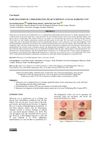
 The lump on a woman's scalp was a rare, potentially cancerous tumor from the hair follicle, not a common cyst.
 July 2016 in “American Journal of Dermatopathology”
 The meeting showcased rare skin disease cases, highlighting the need for accurate diagnosis and treatment.
May 2026 in “Cell Reports Medicine” FR-1 reduces skin scarring and promotes healing without harmful effects.
47 citations
,
August 2016 in “American Journal Of Pathology” Fibroblast changes in systemic sclerosis may help understand disease severity and treatment.
1 citations
,
December 2023 Hair grows in cycles and changes with age, starting from fetal development.
 February 2026 in “Cosmetics”
 Perifollicular elastolysis is poorly understood, with limited treatment options and inconsistent results.
7 citations
,
April 2021 in “Journal of Lower Genital Tract Disease” Erosive lichen sclerosus is a distinct subtype with specific skin features, and treatment led to complete resolution in half of the cases.
 1 citations
,
November 2016 in “International Journal of Research in Dermatology”
1 citations
,
November 2016 in “International Journal of Research in Dermatology” The study found no significant link between the symptoms, tissue analysis, and immunofluorescence results in scarring hair loss conditions.
January 2003 in “Linchuang pifuke zazhi” A benign skin tumor was removed from a man's leg, and it didn't come back after 9 months.
October 1991 in “Archives of Dermatology” The woman has a skin condition involving nodules, scars, and hair loss.
116 citations
,
April 1986 in “The journal of cell biology/The Journal of cell biology” Trichohyalin is a protein in hair follicles that helps form hair filaments.
54 citations
,
November 1994 in “Differentiation” Trichohyalin is found in non-hair tissues and works with filaggrin in certain skin areas and conditions.
2 citations
,
January 1993 Trichohyalin is a versatile protein involved in hair and skin structure.
 30 citations
,
June 2015 in “Dermatologic Surgery”
30 citations
,
June 2015 in “Dermatologic Surgery” Ultrasound shows 80% of Hidradenitis Suppurativa patients have abnormal hair tracts that may worsen the condition.
Trichohyalin, a protein from pig tongue, was purified and found to have a filamentous structure.
161 citations
,
June 1993 in “Journal of Biological Chemistry” Trichohyalin helps in hair and skin cell structure and function by binding calcium and linking proteins.
 48 citations
,
May 1991 in “The journal of investigative dermatology/Journal of investigative dermatology”
48 citations
,
May 1991 in “The journal of investigative dermatology/Journal of investigative dermatology” Trichohyalin is also found in the outer layers of normal human skin.
48 citations
,
January 2002 in “Journal of Structural Biology” Trichocyte filaments have a low-density core and may include proteins for hair structure.
27 citations
,
July 1993 in “The journal of investigative dermatology/Journal of investigative dermatology”