23 citations
,
June 2014 in “International Journal of Cosmetic Science” Glyoxylic acid is a safer alternative to formaldehyde for hair straightening and effectively changes hair structure.
December 2012 in “SWU eJournals System (Srinakharinwirot University)” Chemical hair removal can cause skin irritation and other issues, but natural alternatives are being explored.
1 citations
,
March 2004 in “Patty's Toxicology” These chemicals can be toxic and cause health issues like irritation, liver damage, and cancer.
1 citations
,
June 2018 in “Pharmaciana” The hair tonic with 15% ethanol effectively promotes hair growth.
 12 citations
,
January 2009 in “Journal of Oleo Science”
12 citations
,
January 2009 in “Journal of Oleo Science” Sterol surfactants can effectively dissolve UV ray absorbers.
 123 citations
,
February 2002 in “Journal of The American Academy of Dermatology”
123 citations
,
February 2002 in “Journal of The American Academy of Dermatology” Minoxidil can cause skin allergy; use alternative solvents or treatments if allergic.
5 citations
,
January 2000 in “Inhalation Toxicology” Aqueous dispersion resin is safe to inhale at levels below 30 mg/m³.
 7 citations
,
February 2019 in “Journal of Molecular Liquids”
7 citations
,
February 2019 in “Journal of Molecular Liquids” Minoxidil dissolves better in propylene glycol and water as temperature and propylene glycol amount increase.
 December 2022 in “Journal of Tropical Pharmacy and Chemistry”
 The hair tonic made from oil palm leaf extract is very effective in preventing hair damage from the sun.
 87 citations
,
March 2000 in “American Journal of Clinical Dermatology”
87 citations
,
March 2000 in “American Journal of Clinical Dermatology” Alpha-hydroxy acids, like glycolic acid, safely improve skin issues and work on all skin types.
 July 2024 in “International Journal of Advanced Research in Science Communication and Technology”
 Hibiscus micranthus leaf extract is safe and effective for antibacterial and wound healing.
January 2026 in “Colloids and Surfaces B Biointerfaces” A silicone treatment makes damaged hair more water-resistant and stronger.
 1 citations
,
January 2019 in “Research Journal of Pharmacy and Technology”
1 citations
,
January 2019 in “Research Journal of Pharmacy and Technology” Different ways to measure the concentration of Thuja occidentalis in homeopathic solutions were examined.
 34 citations
,
October 1994 in “Journal of Pharmaceutical Sciences”
34 citations
,
October 1994 in “Journal of Pharmaceutical Sciences” Ethanol over 50% helps minoxidil absorb better into skin.
 142 citations
,
August 2007 in “Journal of The American Academy of Dermatology”
142 citations
,
August 2007 in “Journal of The American Academy of Dermatology” New 5% minoxidil foam effectively promotes hair growth and is safe for use.
 20 citations
,
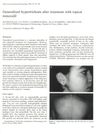
March 1994 in “Clinical and Experimental Dermatology”
20 citations
,
March 1994 in “Clinical and Experimental Dermatology” Too much topical minoxidil can cause excessive hair growth, but stopping treatment reverses it.
 19 citations
,
May 1992 in “International Journal of Dermatology”
19 citations
,
May 1992 in “International Journal of Dermatology” Some alternative vitiligo treatments show promise, but none are as effective as psoralens and UVA.
 June 2026 in “Research Square”
 The combined herbal extracts improved hair regrowth in rats.
April 2024 in “International Journal For Multidisciplinary Research” Natural permeation enhancers help emulgels deliver drugs through the skin more effectively.
 September 2010 in “Reactions Weekly”
 A woman was allergic to 5% minoxidil, with stronger reactions to higher concentrations.
March 2022 in “INDIAN JOURNAL OF APPLIED RESEARCH” The Hibiscus shampoo is effective, safe, and free from harmful preservatives.
 October 2023 in “Plant Archives/Plant archives”
 Hibiscus rosa-sinensis is effective and safe for use in herbal soaps and hair oils, promoting skin and hair health.
13 citations
,
September 2017 in “International Journal of Cosmetic Science” Thioglycerol treatment at pH 9.0 with ammonia causes less hair damage and better waving than thioglycolic acid.
1 citations
,
January 2007 in “Heterocyclic Communications” A simple and eco-friendly method was developed to make finasteride Form-I using water.
July 2023 in “Nature Reviews Chemistry” A new method strengthens hair without using harmful chemicals.
7 citations
,
August 2024 in “Marine Drugs” Ultrasound can safely produce beneficial carrageenan from red algae.
 55 citations
,
January 2002 in “Journal of liposome research”
55 citations
,
January 2002 in “Journal of liposome research” New liposomal formulations may improve delivery of treatments to hair follicles, potentially helping with hair loss.
 August 2007 in “Contact Dermatitis”
 A woman had an allergic skin reaction to a hair loss treatment containing canrenone.
January 2019 in “International Journal of Plant Animal and Environmental Sciences” The extract from marine green alga Chlamydomonas sp. W80 has antioxidant, anti-inflammatory, anti-aging, hair growth, immune-boosting, and skin lightening effects.
 44 citations
,
August 2012 in “Journal of Food Science”
44 citations
,
August 2012 in “Journal of Food Science” The best way to extract saponins from Eclipta prostrasta is using 70% ethanol, at 70°C for 3 hours with a 14:1 liquid to solid ratio.