69 citations
,
January 2009 in “Advances in Materials Science and Engineering” Wool keratin is reactive, biocompatible, biodegradable, and can model keratin from other sources.
 December 2021 in “Biomedical journal of scientific & technical research”
 Oral processed egg yolk improves hair regrowth and quality in alopecia patients.
 28 citations
,
December 2011 in “Biocatalysis and biotransformation”
28 citations
,
December 2011 in “Biocatalysis and biotransformation” PDI helps restore over-bleached hair's strength and structure by attaching special peptides.
43 citations
,
July 1994 in “Journal of Cell Science” Cross-linked proteins help maintain the structure of hair, feathers, and hagfish teeth.
 41 citations
,
July 2020 in “Colloids and surfaces. B, Biointerfaces”
41 citations
,
July 2020 in “Colloids and surfaces. B, Biointerfaces” Different hair protein amounts change the strength of keratin/chitosan gels, useful for making predictable tissue engineering materials.

Keratin hydrogels from human hair show promise for tissue engineering and regenerative medicine.
2 citations
,
August 1987 in “Analytical Biochemistry” A new method isolated previously undetected hair proteins rich in glycine and tyrosine.
Trichohyalin, a protein from pig tongue, was purified and found to have a filamentous structure.
3 citations
,
July 2025 in “Gels” Engineered protein hydrogels improve medical treatments by mimicking natural body structures.
 226 citations
,
January 2002 in “Biological and Pharmaceutical Bulletin”
226 citations
,
January 2002 in “Biological and Pharmaceutical Bulletin” A new method quickly extracts and identifies proteins from hair and other keratin sources.
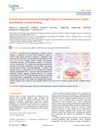 9 citations
,
December 2024 in “Nano Research”
9 citations
,
December 2024 in “Nano Research” A protein-based hydrogel helps heal diabetic wounds and repair nerves.
2 citations
,
January 1993 Trichohyalin is a versatile protein involved in hair and skin structure.
January 2016 in “Frontiers in Bioengineering and Biotechnology” A wool hair keratin hydrogel is promising for growing cells and tissue engineering.

Mealworm protein helps fat cell development and may aid in metabolic health and hair growth.
A new hydrogel made from human hair keratin can help regenerate skin and fight bacteria.
1 citations
,
November 2022 in “Zenodo (CERN European Organization for Nuclear Research)” Coconut milk and egg white improve hair growth and reduce hair fall.
 December 2023 in “Chiwi'saeng'gwa haghoeji”
 Hair keratin protein might help heal mouth wounds faster.
12 citations
,
October 2018 in “Biotechnology reports” Recombinant keratin K31 makes damaged hair thicker, stronger, and straighter.
December 2025 in “Rapid Communications in Mass Spectrometry” Pepsin digestion improves accuracy in analyzing proteins in human hair.
 8 citations
,
January 2009 in “Transactions of the Materials Research Society of Japan”
8 citations
,
January 2009 in “Transactions of the Materials Research Society of Japan” Water-soluble wool keratin can protect human hair from damage during treatments.
 4 citations
,
July 2024 in “Cureus”
4 citations
,
July 2024 in “Cureus” The treatment improved neck wrinkles and skin laxity.
 3 citations
,
January 2021 in “ScienceAsia”
3 citations
,
January 2021 in “ScienceAsia” Using an enzyme and keratin treatment can significantly repair and strengthen damaged hair.
February 2026 in “International Journal of Biological Macromolecules” Keratin from waste hair and feathers can be sustainably used to create stable emulsions for industrial applications.
November 2025 in “OPAL (Open@LaTrobe) (La Trobe University)” A new method helps find proteins in hair to identify fetal growth issues.
November 2025 in “Analytical Chemistry” A new method improves protein extraction from hair, helping identify potential biomarkers for fetal growth issues.
71 citations
,
September 2013 in “Materials Science and Engineering C” Keratin-based hydrogels from human hair and wool are promising for wound dressings and are more eco-friendly.
 November 2024 in “Journal of Scientific Agriculture”
 Silk proteins are great for cosmetics because they protect and improve skin and hair while being eco-friendly.
106 citations
,
December 2015 in “Biomacromolecules” Keratin hydrogels can be customized for better tissue healing.
 7 citations
,
May 2021 in “Applied sciences”
7 citations
,
May 2021 in “Applied sciences” Proteins like BSA and keratin can effectively style hair and protect it, offering eco-friendly alternatives to chemical products.