11 citations
,
April 2023 in “Frontiers in Pharmacology” Integrating biological networks improves drug repurposing and ADR prediction.
1 citations
,
October 2025 in “Journal of Allergy and Clinical Immunology” A JAK1 variant causes hair loss, skin issues, and thyroid disease, but treatment with a specific inhibitor can help.
1 citations
,
June 2025 in “Journal of Veterinary Internal Medicine” The donkey had a severe disease affecting multiple organs and was euthanized.
53 citations
,
January 2013 in “Journal of toxicologic pathology” The project created a standardized system for classifying skin lesions in lab rats and mice.
 1 citations
,
November 2021 in “American Journal of Clinical Pathology”
1 citations
,
November 2021 in “American Journal of Clinical Pathology” The conclusion is that certain physical signs in the body can indicate past acute and chronic stress, which may help in child abuse investigations.
March 2026 in “Journal for ImmunoTherapy of Cancer” Long-term data and a team approach are needed to manage chronic side effects from cancer treatments.
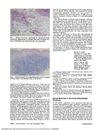 8 citations
,
November 1990 in “Archives of Dermatology”
8 citations
,
November 1990 in “Archives of Dermatology” A woman with EMS showed unusual skin mucinosis without the typical hard skin syndrome, suggesting EMS can cause skin mucinosis.
 4 citations
,
July 1994 in “Clinics in Dermatology”
4 citations
,
July 1994 in “Clinics in Dermatology” Eosinophilia-myalgia syndrome, linked to contaminated L-tryptophan supplements, caused severe symptoms and some deaths, with long-term effects in survivors.
 1 citations
,
July 1990 in “PubMed”
1 citations
,
July 1990 in “PubMed” The document's conclusion cannot be determined from the provided text.
 2 citations
,
January 2014 in “Elsevier eBooks”
2 citations
,
January 2014 in “Elsevier eBooks” The document concludes that reactivation of herpesviruses, especially HHV-6, is linked to severe symptoms and complications in drug-induced hypersensitivity syndrome.
 January 2024 in “Genetics in Medicine Open”
 A new IL6ST gene variant may cause a unique form of hyper-IgE syndrome with skin abscesses and high IgE levels.
 January 2025 in “JCEM Case Reports”
 Enzyme replacement therapy may help alleviate symptoms in complex cases like this.
 20 citations
,
February 1991 in “Archives of dermatology”
20 citations
,
February 1991 in “Archives of dermatology” High doses of tryptophan may cause eosinophilic fasciitis.
 January 2024 in “Brazilian Journal of Veterinary Pathology”
 The horse had a rare disease causing weight loss and skin issues, leading to euthanasia due to poor treatment options.
33 citations
,
October 2018 in “BMJ Case Reports” Aggressive treatment in young patients with certain drug reactions may lead to multiple autoimmune diseases later.
 19 citations
,
June 2011 in “British Journal of Dermatology”
19 citations
,
June 2011 in “British Journal of Dermatology” Severe digestive issues in DRESS need early endoscopy for better treatment.
15 citations
,
April 2016 in “Medicine” SLE patients with Evans syndrome often show blood issues and need careful monitoring and treatment.
 1 citations
,
April 2017 in “European Psychiatry”
1 citations
,
April 2017 in “European Psychiatry” A patient's allergic reaction to clozapine resolved without stopping the medication, showing the importance of blood monitoring.
 39 citations
,
January 2012 in “Acta dermato-venereologica”
39 citations
,
January 2012 in “Acta dermato-venereologica” Early detection and stopping the drug are key to managing DRESS, and careful monitoring is important due to possible severe reactions.
 4 citations
,
January 1987 in “Journal of The American Academy of Dermatology”
4 citations
,
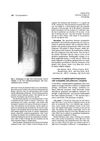
January 1987 in “Journal of The American Academy of Dermatology” A man with both skin lesions and lung cancer improved quickly with chemotherapy, suggesting the skin condition might be a reaction to immune system injury.
 21 citations
,
September 1990 in “Journal of The American Academy of Dermatology”
21 citations
,
September 1990 in “Journal of The American Academy of Dermatology” Taking L-tryptophan supplements might cause a condition similar to scleroderma in some people, which can get better after stopping the supplement and starting corticosteroid therapy.
26 citations
,
August 2009 in “Journal of Pediatric Gastroenterology and Nutrition” Hoyeraal-Hreidarsson syndrome in infants causes severe gastrointestinal issues.
3 citations
,
January 2013 in “Türk veterinerlik ve hayvancılık dergisi/Turkish journal of veterinary and animal sciences” A cat in Turkey had Ehlers-Danlos syndrome, showing very stretchy skin and easy bruising.
1 citations
,
January 2009 in “Kidney International” The woman was diagnosed with systemic lupus erythematosus (SLE) after initial misdiagnosis and improved with proper treatment.
 3 citations
,
June 2020 in “Open access rheumatology”
3 citations
,
June 2020 in “Open access rheumatology” A patient with Rhupus was diagnosed with Rowell syndrome and treated with various medications.
4 citations
,
November 2015 in “The journal of investigative dermatology. Symposium proceedings/The Journal of investigative dermatology symposium proceedings” Eosinophilic esophagitis may trigger alopecia areata in some patients.
 April 2023 in “Journal of Investigative Dermatology”
 Some patients who had a severe drug reaction developed long-term hair loss.
 6 citations
,
January 2014 in “Clinical hemorheology and microcirculation”
6 citations
,
January 2014 in “Clinical hemorheology and microcirculation” Hereditary elliptocytosis causes elongated red blood cells and can lead to mild or no symptoms.
 13 citations
,
September 2019 in “Clinical, Cosmetic and Investigational Dermatology”
13 citations
,
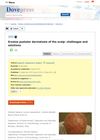
September 2019 in “Clinical, Cosmetic and Investigational Dermatology” Early treatment of EPDS can improve outcomes and reduce recurrence risk.
 June 2026 in “Mediterranean Journal of Hematology and Infectious Diseases”
 The girl's lupus with kidney and immune complications didn't improve with strong treatment.